Sanders urges Platner to leave Maine Senate race after assault allegation
The Democratic nominee denies Jenny Racicot’s allegation, while party figures weigh replacement options before July deadlines in a race against Sen. Susan Collins.
By Amanda Ross · Deals Correspondent
· 3 min read
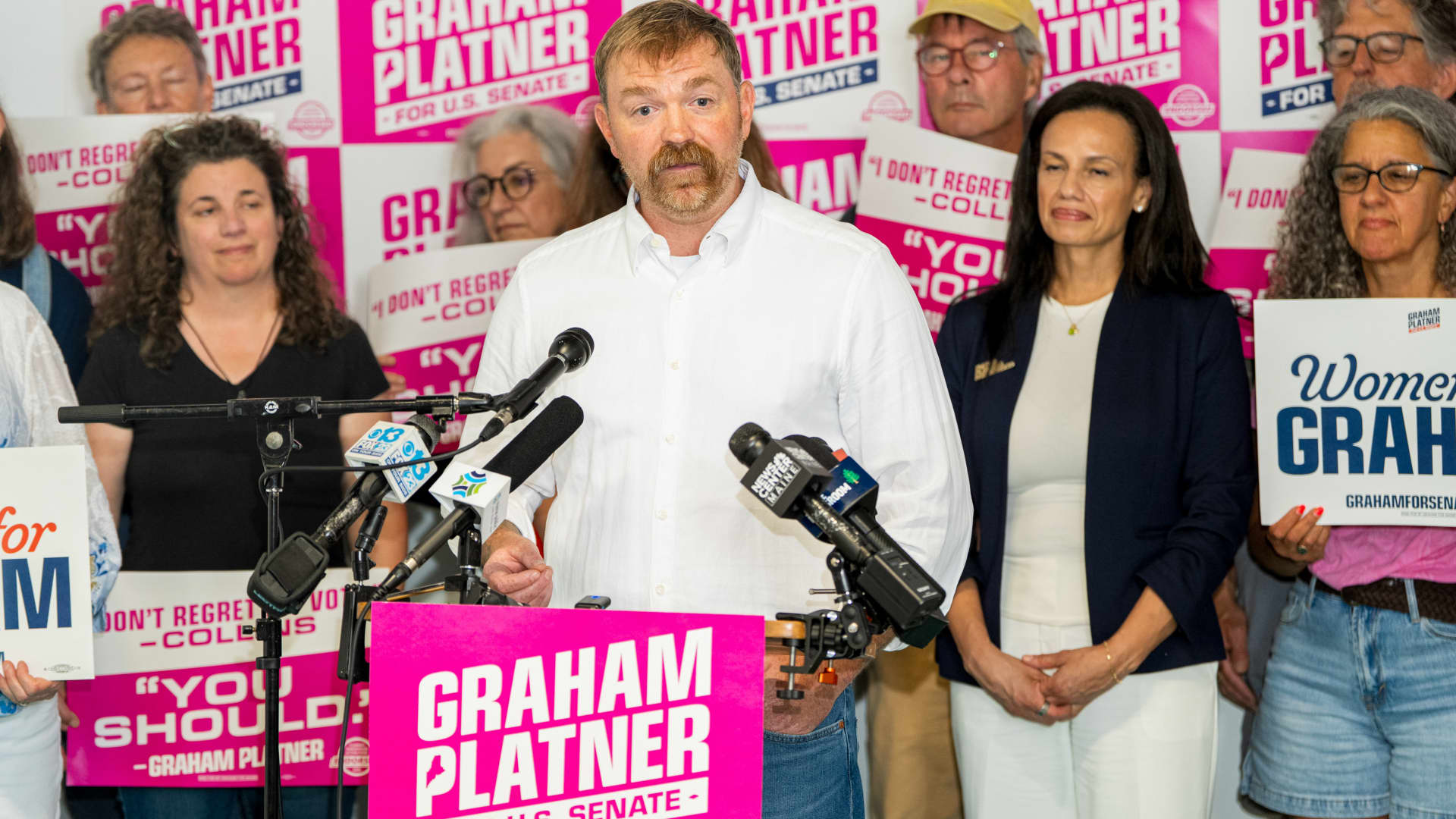
Pressure on Maine Democratic Senate nominee Graham Platner intensified Tuesday after Sen. Bernie Sanders urged him to leave the race following a sexual assault allegation reported by Politico. The timing is material for Democrats: if Platner exits before July 13, the party can put forward another candidate by July 27 for a contest against five-term Republican Sen. Susan Collins.
Platner, a 41-year-old oysterman and military veteran, has denied the allegation by Jenny Racicot, a 41-year-old Maine resident, that he forced himself on her in 2021. Politico reported Racicot’s allegation on Monday. Platner said in a video statement the same day that he was considering the next steps for his campaign.
Sanders, an independent from Vermont and one of Platner’s most prominent allies, said Tuesday that he had advised the nominee to step aside. “I have spoken with Graham Platner about the best path forward for Maine,” Sanders said in a statement. “In light of these very serious allegations, I have recommended that he step aside.”
The Maine race has national significance because control of the Senate is at stake. Democrats view Collins’ seat as one of their stronger opportunities to defeat a Republican incumbent as they seek a net gain of four seats to reclaim the chamber. Republicans, for their part, are trying to defend the seat as part of their broader effort to retain Senate control.
Replacement window would be short
Platner won the Democratic nomination in June, defeating Democratic Gov. Janet Mills after drawing national attention for a progressive campaign message and an unpolished public style. His campaign has since faced months of controversy, according to CNBC, and the latest allegation has prompted some Democratic figures to consider whether the party can still alter the ballot.
The practical mechanism is narrow. If Platner withdraws before July 13, Democrats would have until July 27 to name another nominee. That would give state party leaders and prospective candidates less than three weeks to organize support, satisfy ballot requirements and begin a general-election campaign against Collins.
The Cook Political Report with Amy Walter rates the Maine Senate race as “leans” Republican, indicating that Collins holds an advantage but that the race remains competitive. A late change in nominees would add organizational pressure for Democrats in a state expected to draw national money and attention.
Several Democrats signal interest
Several former candidates in Maine’s 2026 primary contests have already shown interest in replacing Platner if he leaves the ballot. CNBC identified Nirav Shah, Troy Jackson and Dan Kleban as possible contenders.
Shah, who finished second in the Democratic gubernatorial primary, said in a statement posted on X that he was speaking with his wife, his team and Mainers across the state as he evaluated whether to enter the Senate race.
Jackson, described by CNBC as a former Platner ally, has filed paperwork with the Federal Election Commission to explore a run, according to the Bangor Daily News. Kleban, a former Senate candidate and brewery founder, also signaled interest in a post on X, writing that Mainers deserve a senator who will fight the Washington establishment while doing what is right.
Platner has not announced whether he will remain in the race. His decision now carries consequences beyond his campaign, shaping how Democrats approach one of the Senate contests central to both parties’ 2026 strategies.
This story draws on original reporting from CNBC.