American ownership of Premier League clubs grows as investors pursue scarcity
U.S. investors now control 11 of 20 Premier League clubs, with Liverpool stake talks highlighting rising valuations in English soccer.
By Sarah Jenkins · Chief Macro Economics Correspondent
· 3 min read
American ownership of Premier League clubs has expanded to 11 of the competition’s 20 teams, CNBC reported, reflecting stronger U.S. investor demand for English soccer assets. The trend is being underscored by Fenway Sports Group’s talks to sell a significant minority stake in Liverpool FC in a deal CNBC said is believed to value the club at $6 billion.
The Premier League returns on Aug. 21, with Arsenal beginning its title defense, after the FIFA World Cup shifted global attention back to domestic European soccer. In the boardroom, U.S. capital has become a larger force since the Glazer family acquired Manchester United in 2005, according to CNBC.
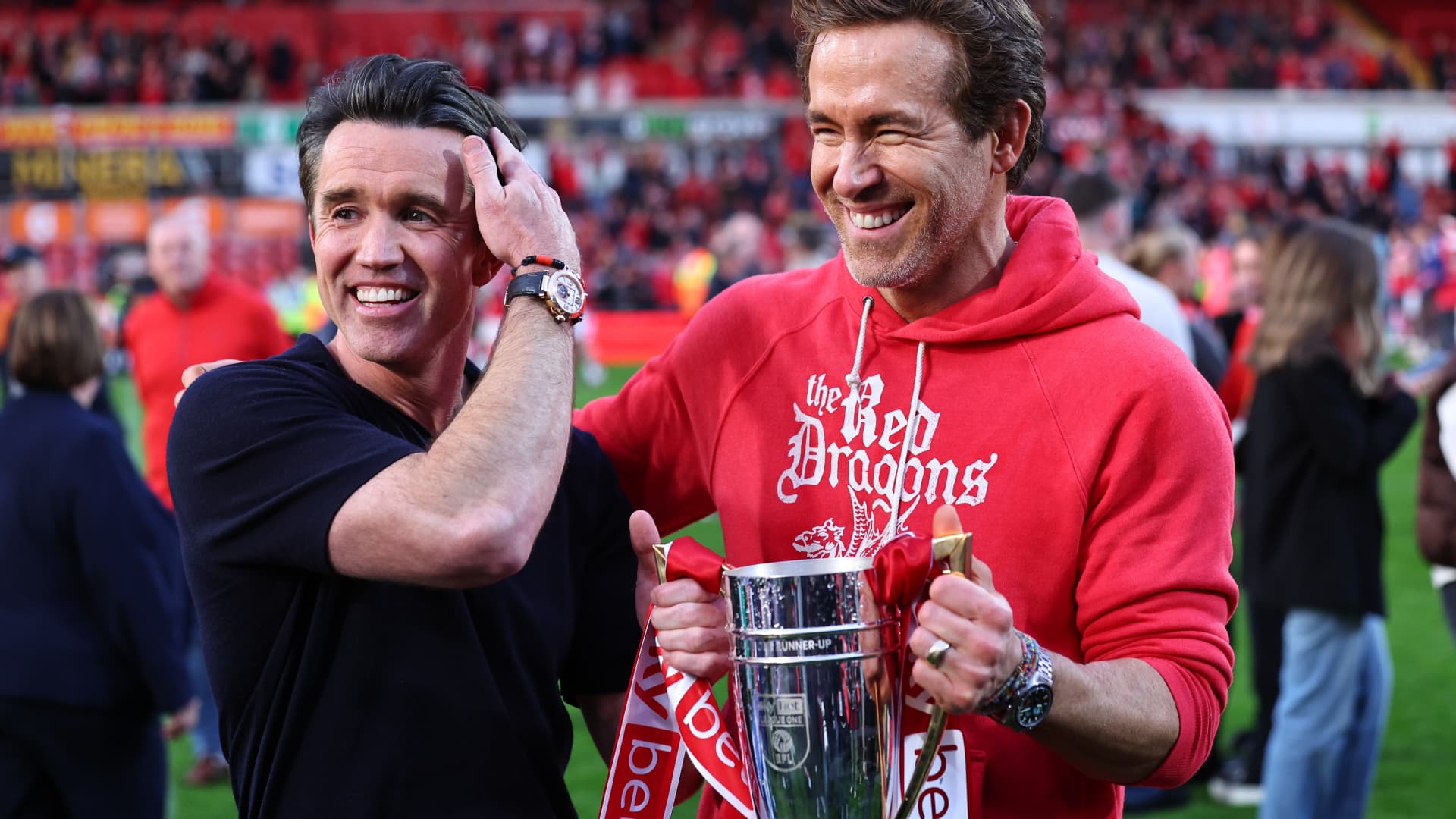
Interest extends below the top division. Ryan Reynolds and Rob McElhenney bought Wrexham, then a fifth-tier Welsh club, in 2020, a story later amplified by the television series “Welcome to Wrexham.” Snoop Dogg invested this year in Swansea City, a second-division Welsh club, CNBC reported.
Why are Americans buying Premier League clubs?
Sports finance analysts told CNBC that U.S. buyers see scope to improve commercial operations at British and European soccer clubs. Many clubs have historically prioritized supporters and on-field identity over revenue growth, while a large share of teams operate at a loss.
Deloitte said only eight Premier League clubs reported operating profits in the 2024-25 season. The league’s clubs posted combined pre-tax losses of £948 million, or $1.26 billion, according to Deloitte.
That financial profile can appeal to investors who believe income streams can be expanded. Deloitte cautioned, however, that owners risk a backlash if commercialization weakens the match-going experience for supporters. In its 2026 football finance review, Deloitte said frustration among some fans at the top of the game could lead more of them to stop attending live matches.
The returns for public-market investors have been mixed. CNBC noted that Manchester United’s shares have risen about 30% over five years but remain below their 2018 highs, while Juventus shares have fallen almost 70% over the same period.
How do Premier League broadcast revenues work?
Broadcast income is one of the main financial engines of the Premier League. In the U.K., rights are sold to broadcasters including Sky Sports, TNT Sports and streaming groups such as Amazon Prime, according to CNBC.
The proceeds are distributed across the 20 clubs by formula: half is shared equally, a quarter depends on final league position, and a quarter is linked to how often each club is shown on television. Deloitte said Premier League clubs received more than £3.3 billion from TV revenues in the 2024-25 season, equal to 50% of their total income.
Scarcity is another part of the investment case. Amber Pinto, a partner at sports investment agency Pinto Capital, told CNBC that soccer clubs are rare assets, with U.K. teams standing out because many have long histories. She also said live sport remains difficult to replace with artificial intelligence or online substitutes.
Liverpool illustrates how scarcity and global recognition can affect valuations. Fenway Sports Group bought the club for £300 million in 2010, when Liverpool was close to administration, CNBC reported. Since then, Liverpool has won two Premier League titles and one Champions League under FSG ownership.
Kieran Maguire, associate professor in football finance at the University of Liverpool, told CNBC that Liverpool’s reported $6 billion valuation reflected the limited supply of elite clubs and demand from very wealthy buyers, rather than an unusually overheated price. Pinto said the deal cycle has become longer and more complex as regulation, financial institutions and media investors become more involved in soccer.
This story draws on original reporting from CNBC.