Axiom Biosciences plans Hong Kong IPO before US listing
The San Diego biotech aims for a primary Hong Kong listing in 2027 and a secondary US listing in 2029, citing Asian investors and partners.
By Amanda Ross · Deals Correspondent
· 4 min read
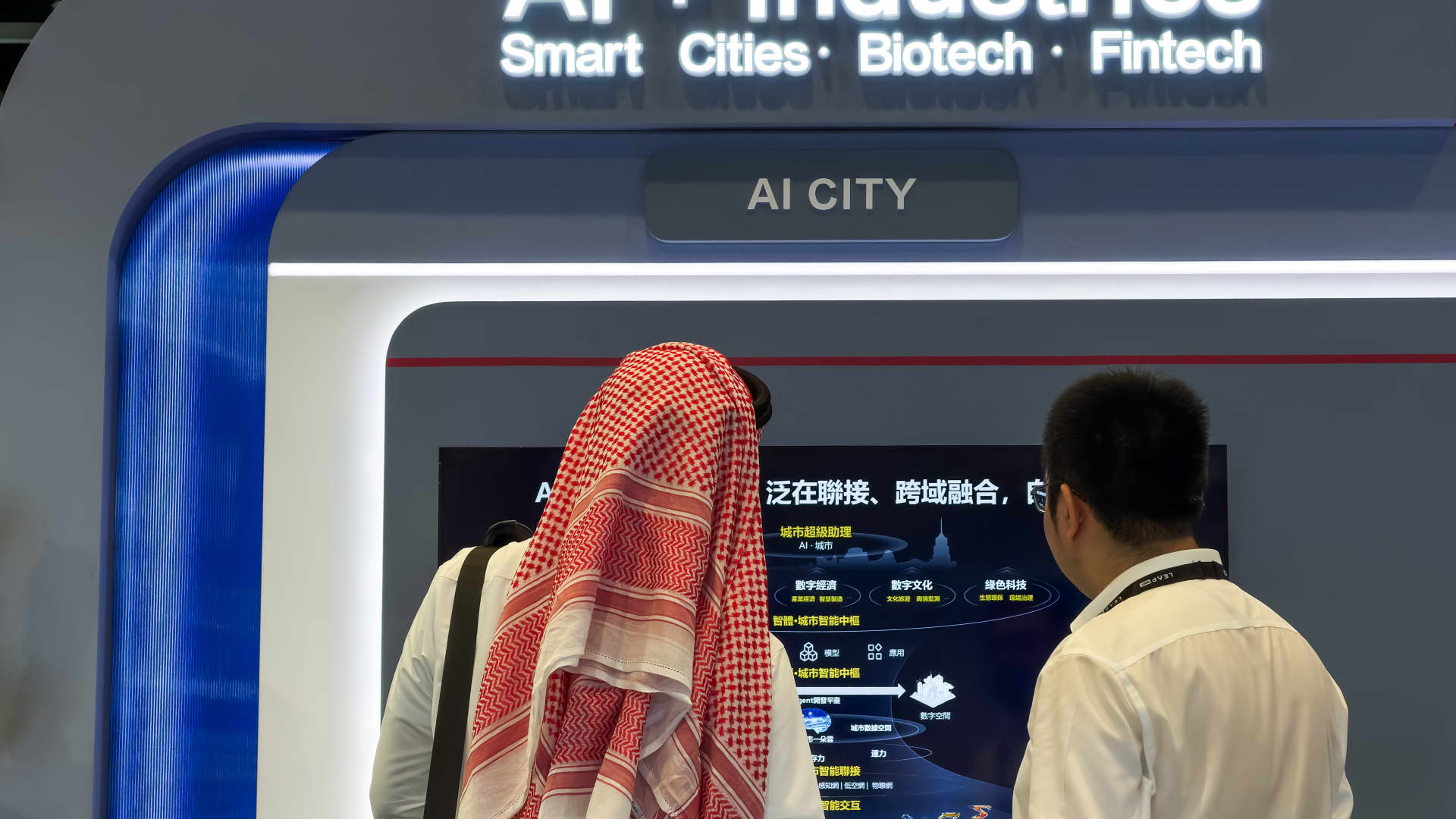
Axiom Biosciences, a San Diego developer of regenerative and genetic medicines, plans to seek a primary listing in Hong Kong in 2027 before pursuing a secondary US listing in 2029, according to CNBC. The plan reverses the long-established route of Chinese companies raising capital in New York and underscores Hong Kong’s growing role as a funding centre for biotechnology.
Remo Moomiaie-Qajar, Axiom’s founder and chief executive, told CNBC the company views the move as a way to reach more specialised biotech investors and to place itself nearer to clinical and commercial partners in Asia. He said US science remains among the world’s most important, while the funding model for that science has not kept pace.
The company’s rationale rests partly on market structure. Public listings can provide capital for biotechnology companies as trial costs rise and the number of venture investors able to finance later-stage work narrows, Moomiaie-Qajar said. He also described Hong Kong’s listing rules as more stringent than those in the US and said recent biopharma listings in the city had outperformed those on Nasdaq.
Hong Kong’s biotech market expands
Hong Kong has become a larger venue for biotech fundraising as Chinese drug developers seek capital and policymakers support the sector. The Hang Seng Biotech Index has risen more than 75% since January 2025, compared with gains of about 40% to 50% for the ICE Biotechnology Index and the Nasdaq Biotechnology Index over the same period, according to LSEG data cited by CNBC.
Danny Xiang, founding partner at life science-focused private equity firm Fontus Capital, told CNBC that the US remains the world’s deepest and most institutionalised biotech capital market. That depth, he said, explains why the strongest globally competitive assets still tend to raise money and list in the US, making it unusual for a US biotech with no primary base in China to choose Hong Kong first.
Xiang said Hong Kong’s appeal has increased because it now has more than 70 biotech listings and introduced reforms last year to streamline the IPO process for the sector. Global biotech companies are also attracted by the city’s expanding base of biopharma investors and by proximity to Chinese pharmaceutical partners, which can help with clinical-trial execution and costs, he said.
Investor appetite in Hong Kong is selective. Xiang said local investors generally prefer companies with a clear China connection, especially where Chinese partners may help co-develop, manufacture or sell products. George Wu, a Hong Kong-based partner at DLA Piper, told CNBC that lower biotech valuations in Hong Kong compared with Nasdaq have also drawn international investors looking for potential gains.
Axiom’s clinical focus
Axiom is working with South Korea-based biopharma company Medinno on a therapy for newborns with severe brain injuries associated with high mortality. CNBC reported that the treatment has received two US Food and Drug Administration designations for rare pediatric diseases and that a Phase 1 trial involving nine newborns in South Korea has been completed.
The company also plans to study the therapy for adults who have had strokes. Moomiaie-Qajar told CNBC that Asia is the right place to move through trials quickly because there are no regenerative therapies for these brain injuries.
China’s role in biotechnology has expanded after years of state support for basic research, drug-regulatory reform and efforts to attract scientists and executives trained abroad, including in the US. Experts cited by CNBC pointed to lower labour and manufacturing costs, a large science-graduate pool, major hospital networks that can support trial recruitment, large datasets and targeted use of artificial intelligence in drug design.
A June survey by the Cure Innovation Index found that China leads in clinical development and supply chains but still trails the US in the quality, commercial reach and cutting-edge strength of biomedical science. Xiang described the US as stronger in foundational breakthroughs and China as increasingly strong at rapid, capital-efficient implementation.
Listing standards differ between the two markets. CNBC reported that Nasdaq and the New York Stock Exchange allow biotech companies to apply before revenue or human testing, while Hong Kong requires at least 12 months of research and development and a core product beyond the concept stage. Xiang said a US IPO is generally faster for a qualified company, while Hong Kong review times have lengthened as applications have accumulated.
This story draws on original reporting from CNBC.