Bank of Korea lifts policy rate to 2.75% as inflation pressure builds
South Korea’s central bank raised rates by 25 basis points, its first increase since January 2023, after inflation reached a three-year high.
By Amanda Ross · Deals Correspondent
· 2 min read
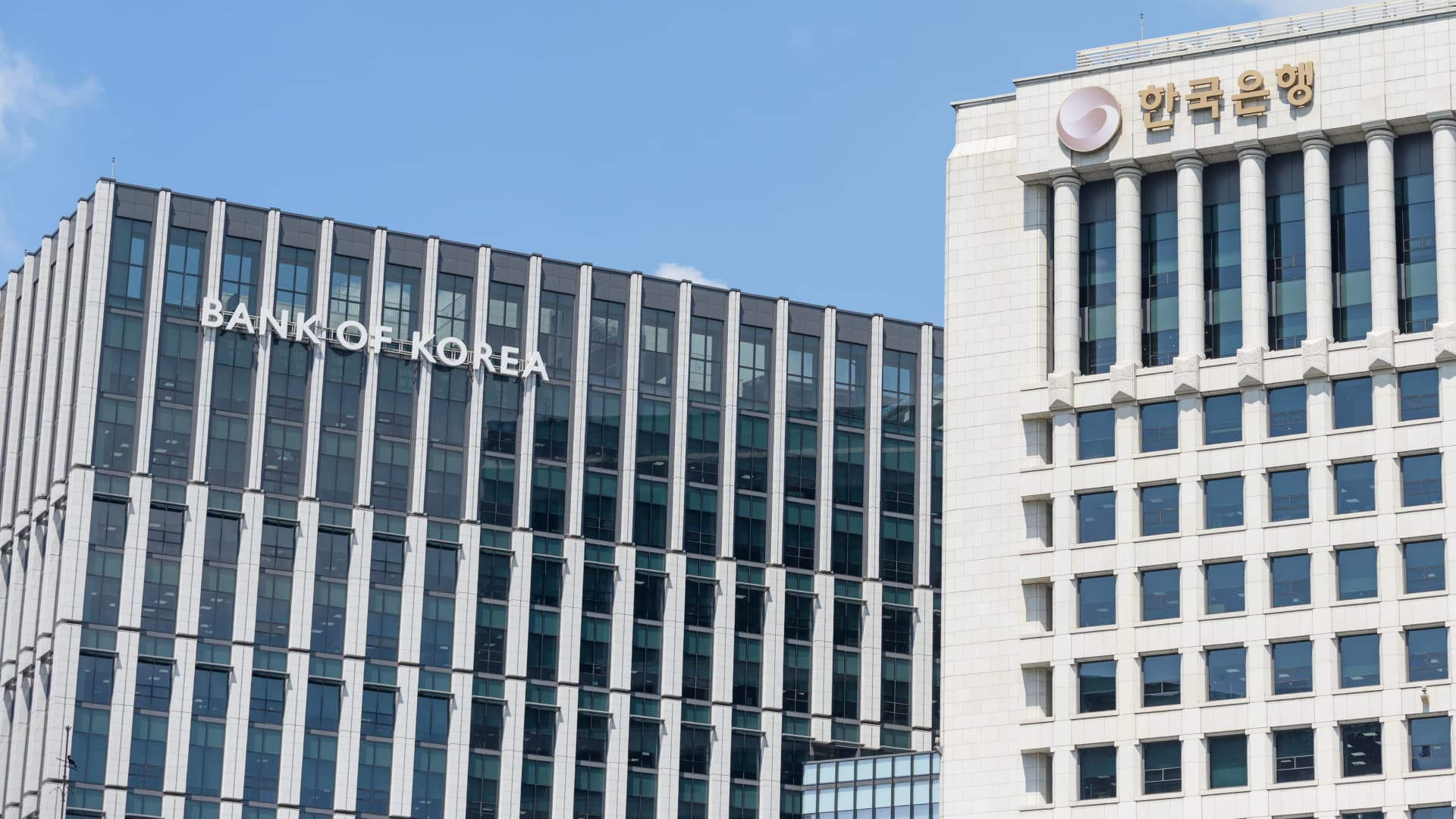
South Korea’s central bank raised its benchmark policy rate by 25 basis points to 2.75% on Thursday, the first increase since January 2023. The move matched the median forecast in a Reuters poll of economists and came after headline inflation rose to 3.2% in June, its highest level in three years.
The Bank of Korea’s decision tightens monetary conditions at a time when policymakers are weighing price pressures, currency movements and a resilient domestic economy. A higher policy rate generally feeds through to borrowing costs across the financial system, while also making won-denominated assets more attractive to foreign investors, which can support the currency.
Inflation has become a more pressing constraint for the central bank. Official data showed consumer prices rising 3.2% in June, and the Bank of Korea said last month that large performance bonus payments at some major information technology companies could broaden into stronger wage growth, adding to inflation pressure.
The won has also shaped the policy backdrop. South Korea’s currency fell to 1,561.5 per dollar on June 5, a 17-year low, and approached that level again earlier this month at 1,559 per dollar. It has since recovered, trading most recently at 1,484.86 against the U.S. dollar.
Bank of Korea Governor Shin Hyun Song told Seoul’s parliament last week, according to KED Global, that there was “ample room for the won to strengthen going forward.” He added that South Korea was “currently accumulating a very large current account surplus,” according to the same report.
The central bank also has room to tighten because growth has held up. South Korea’s economy expanded 3.8% in the first quarter, the strongest quarterly performance since the fourth quarter of 2021.
Financial markets have been volatile as the rate decision arrives alongside sharp swings in the country’s major technology shares. Moves in Samsung Electronics and SK Hynix have contributed to fluctuations in the benchmark Kospi index, according to market data cited by CNBC.
For investors and policymakers, the rate increase signals that the Bank of Korea is giving greater weight to inflation and exchange-rate stability after more than three years without a hike. The next test will be whether tighter policy restrains price growth without undercutting the momentum shown in first-quarter output.
This story draws on original reporting from CNBC.