Bessent says US may use sanctions over Chinese AI model copying
Treasury Secretary Scott Bessent said the Trump administration will examine whether Chinese AI systems were built from U.S. models through distillation.
By Amanda Ross · Deals Correspondent
· 3 min read
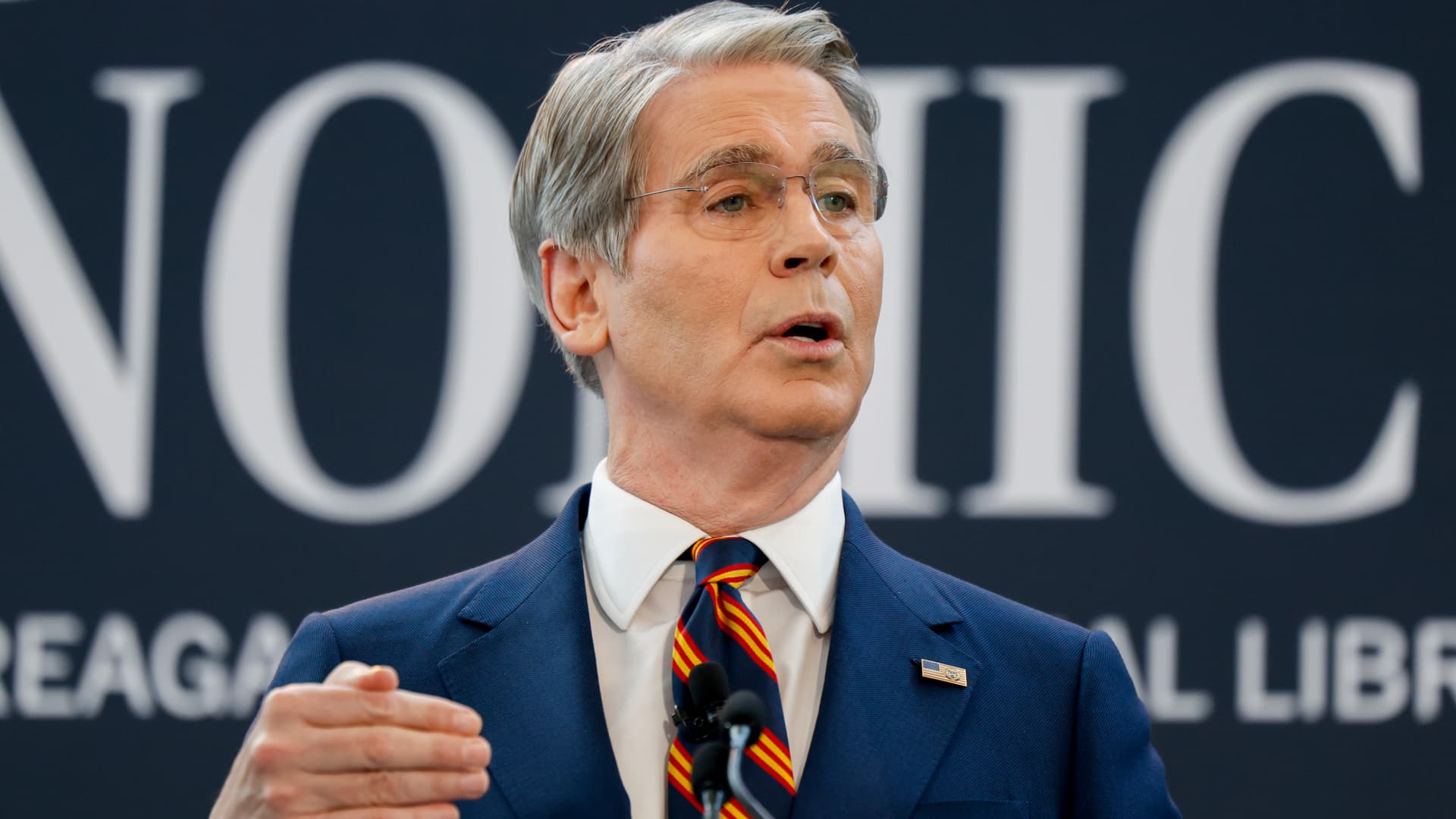
U.S. Treasury Secretary Scott Bessent said Tuesday that the Trump administration could use sanctions if it finds that Chinese artificial intelligence models were built by copying U.S. systems. The remarks add a potential enforcement tool to a widening technology dispute between Washington and Beijing ahead of AI talks expected in September, according to Reuters.
Bessent told Fox Business that the administration would examine whether Chinese models had been distilled from American models, a practice he characterized as intellectual property theft when used without authorization.
“If we see, especially that overseas models are stealing from our great companies, we have the ability to sanction them because of this theft,” Bessent said in the Fox Business interview.
Distillation under scrutiny
Distillation is an AI training method in which a smaller or less capable model is developed using outputs from a more powerful existing model. The technique can help developers reproduce some capabilities of a larger system at lower cost, but Bessent said the U.S. government does not support “IP theft.”
“We are finding watermarks of our U.S. large language models on many of the Chinese models, and that’s unacceptable,” Bessent said Tuesday. “We’re going to be looking at that in the coming days or weeks.”
The comments come as Chinese open-weight models draw more attention from developers and policymakers. CNBC reported that Moonshot AI, a Chinese startup, released a model called Kimi K3 earlier this month that outperformed models from OpenAI and Anthropic on some industry benchmarks.
Open-weight models make core model parameters available for use or inspection by outside developers, a structure that can accelerate adoption and competition. The rise of such models from China has raised questions among U.S. technology executives and officials about the durability of the American lead in advanced AI, according to CNBC.
Industry allegations and diplomatic talks
Anthropic raised similar concerns last month in a letter to the U.S. Senate Committee on Banking, Housing, and Urban Affairs. The company alleged that Alibaba had conducted what Anthropic called “the largest known distillation attack” against it to date.
Reuters reported Tuesday that the U.S. and China plan to hold discussions on artificial intelligence in September. Bessent will represent the United States in those talks, according to the Reuters report.
The dispute over AI training practices is not limited to Chinese companies. Anthropic agreed in September to pay $1.5 billion to settle a class action lawsuit brought by authors who alleged that the company unlawfully downloaded books from pirated databases, CNBC reported. The New York Times sued OpenAI and Microsoft in 2023, alleging that the companies used its intellectual property to train AI models in violation of copyright law.
Those cases underline the broader legal and policy conflict surrounding the data and outputs used to train advanced AI systems. Bessent’s remarks signal that the administration is considering whether alleged model copying by foreign companies could become a sanctions issue, adding another layer to the U.S.-China technology rivalry.
This story draws on original reporting from CNBC.