Beta completes first flights in US eVTOL pilot program
The Amazon-backed aircraft maker flew manufactured organs across Maryland and Virginia as federal agencies test electric air taxi operations.
By Amanda Ross · Deals Correspondent
· 3 min read
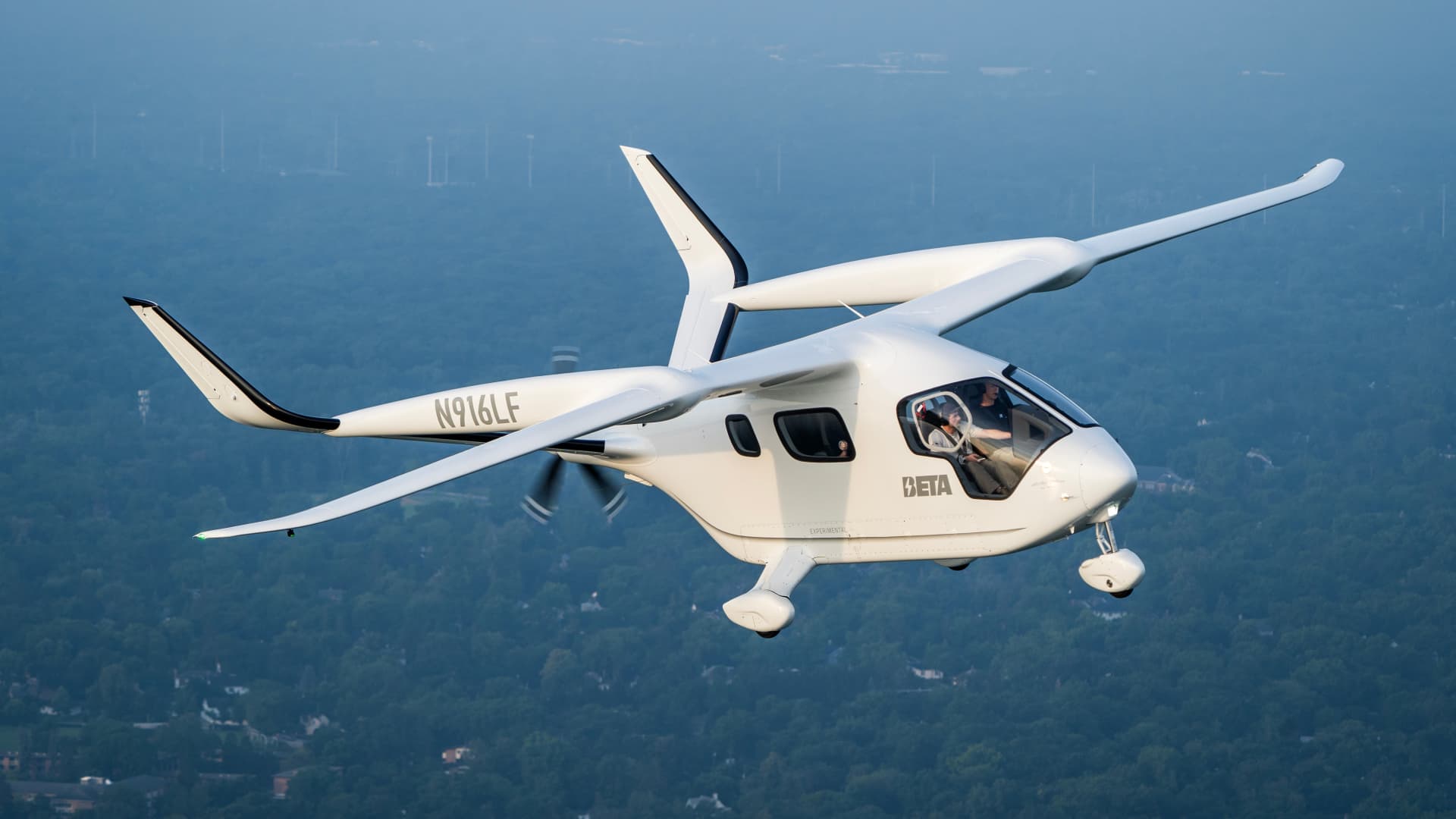
Beta Technologies said Friday it completed the first test flights under the U.S. government’s electric vertical takeoff and landing pilot program, flying manufactured organs between airports in Maryland and Virginia. The missions covered about 275 nautical miles, giving the federal effort an early operational test as the air taxi sector faces delayed certification schedules and weaker investor demand.
The Amazon-backed aerospace company said the cargo came from United Therapeutics. Beta Chief Executive Kyle Clark said in a company release that the flights “set the stage for routine medical applications through electric flight at a much lower cost nationwide.”
Electric vertical takeoff and landing aircraft, known as eVTOLs, are designed to lift off and land vertically while using electric propulsion. The industry has promoted the aircraft for urban passenger transport, medical logistics, cargo delivery and defense use, while arguing that they could reduce pressure on congested road networks.
The U.S. pilot program was launched through an executive order by President Donald Trump last year. The Department of Transportation and the Federal Aviation Administration are leading the effort, which the Transportation Department has said covers eight projects across 26 states. Beta is participating in seven of the eight projects, making it the most active company in the program, according to CNBC.
The government had previously said flight testing would start this summer. The program gives aircraft developers and regulators a structure for testing real operations before broad commercial service, including routes, airport use and mission types. For companies seeking FAA approval, such trials can help demonstrate how aircraft and related operations perform outside laboratory or limited proving-ground settings.
Certification remains a central constraint for the sector. Beta and its peers have spent years trying to move from prototypes and demonstrations to commercial service, while FAA approval has taken longer than many companies once expected. Several manufacturers have pushed back timelines for certified aircraft and passenger flights as the regulatory process has proved difficult.
Beta is pursuing two aircraft paths. Its eVTOL model is expected to receive certification in 2028, according to CNBC. The company also produces a conventional takeoff and landing aircraft, which is on track for certification in 2027.
Investor sentiment has weakened across listed eVTOL developers. Beta’s shares have fallen by roughly half since the company’s November initial public offering, according to CNBC. Joby Aviation and Archer Aviation have each declined by more than one-third this year, while the U.K.’s Vertical Aerospace has dropped 68%. Some companies in the sector are also involved in court disputes, CNBC reported.
The first Beta flights under the federal program do not by themselves amount to commercial passenger approval. They do, however, mark a concrete step in the government-backed testing process for electric aircraft operations, starting with a medical logistics use case rather than urban passenger service.
This story draws on original reporting from CNBC.


