Blanche defends DOJ lawsuit over Alaska Senate election certification
Attorney General Todd Blanche said the Trump-ordered case addresses voter confusion, while opponents challenge federal authority to intervene.
By Amanda Ross · Deals Correspondent
· 3 min read
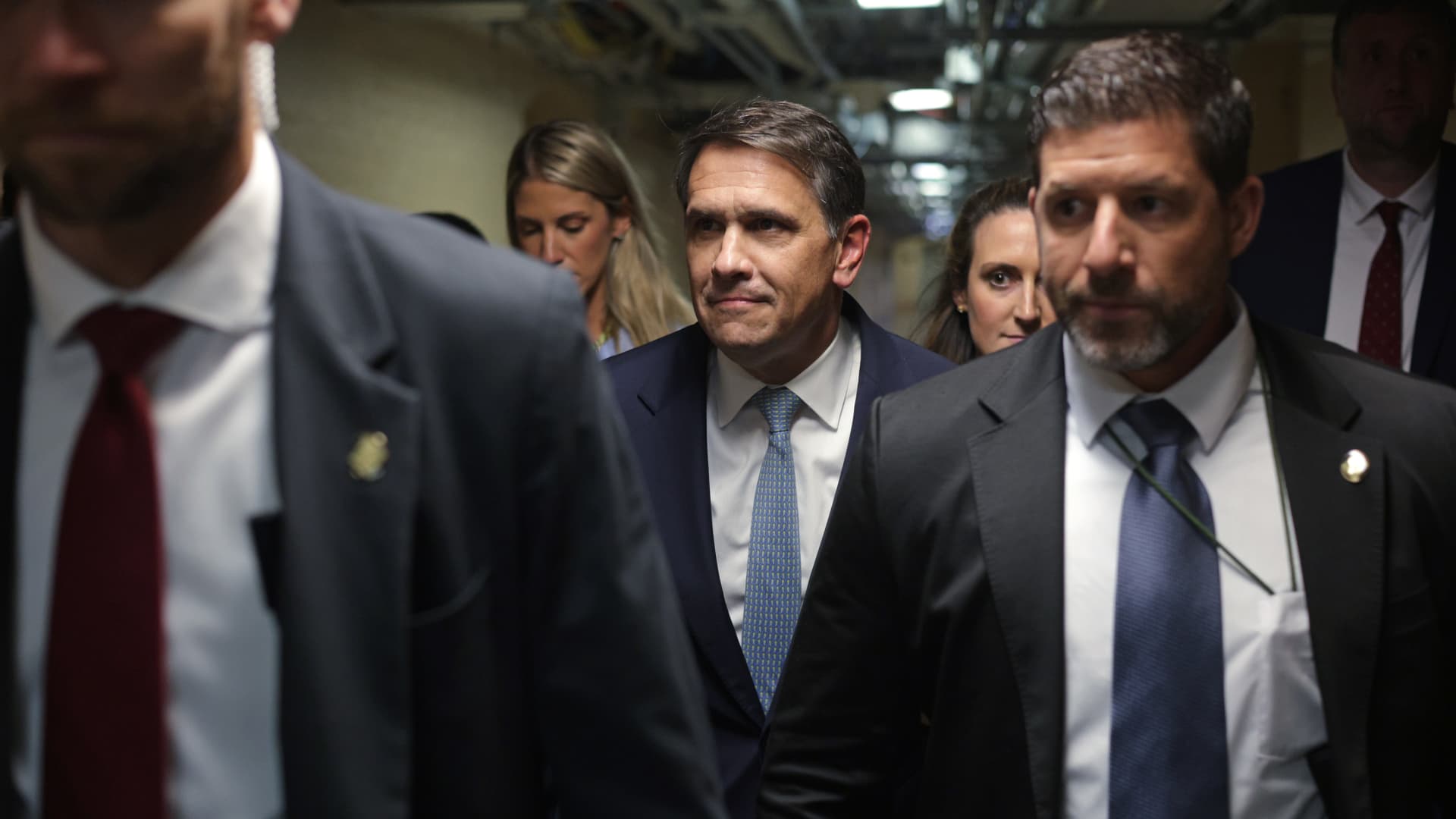
Attorney General Todd Blanche defended the Justice Department's Alaska Senate lawsuit on Sunday, saying it would preserve a legal process to address alleged voter confusion if the result is affected. The case seeks to prevent certification only under specified conditions if Republican incumbent Sen. Dan Sullivan loses, and President Donald Trump has said he directed the department to file it.
In interviews on CNN's State of the Union and CBS's Face the Nation, Blanche rejected the suggestion that the administration was preparing to overturn an unfavourable result. He said Alaska and its courts would decide any eventual dispute, according to NPR and PBS NewsHour.
The Justice Department filed the action in federal court in Alaska late Thursday, according to NPR. It cites possible confusion between the incumbent, listed on the ballot as Dan S. Sullivan, and Daniel J. Sullivan Jr., a retired teacher and school administrator who is also running. PBS reported that the incumbent's ballot entry also identifies him as a registered Republican and incumbent, while Daniel J. Sullivan Jr. has no party affiliation listed.
What does the Alaska Senate lawsuit ask the court to do?
According to CNBC's account of the complaint, the requested certification block would apply if Sen. Sullivan does not win and if a court determines that votes cast for Daniel J. Sullivan should have gone to the senator and would have changed the outcome under Alaska's ranked-choice count. Blanche said the government was seeking a way for the state electoral system and courts to address a result if litigation established that confusion had produced a result contrary to voters' intent.
Alaska holds a top-four primary and uses ranked-choice voting in the general election. Under that system, voters rank candidates; if no candidate has a majority in an initial count, the lowest-finishing candidate is eliminated and those ballots move to the next available preference until a winner is determined.
The department has not explained how it would establish whether ballots for Daniel J. Sullivan were intended for the senator, given ballot secrecy, NPR reported. Daniel J. Sullivan has said he entered the race independently and denied that his candidacy was intended to confuse voters or draw support from the incumbent. Democrats have also denied a connection to him.
The Alaska Division of Elections removed Daniel J. Sullivan from the ballot briefly in June, but a state court ordered his reinstatement and the Alaska Supreme Court upheld that outcome, CNBC and NPR reported.
Trump told reporters that he was the one who told the Justice Department to bring the case. Mary Peltola, the Democratic candidate in the race, called the suit corrupt, according to PBS. Her campaign, Democratic groups and voting-rights advocates have sought to intervene, arguing that the federal executive branch lacks authority to interfere in a state-run election, CNBC reported.
This story draws on original reporting from CNBC.