Jim Cramer says AI trade may face more pain as funding concerns rise
Jim Cramer said AI shares may face further pressure as funding concerns grow, while keeping selective exposure to the theme.
By Sarah Jenkins · Chief Macro Economics Correspondent
· 3 min read
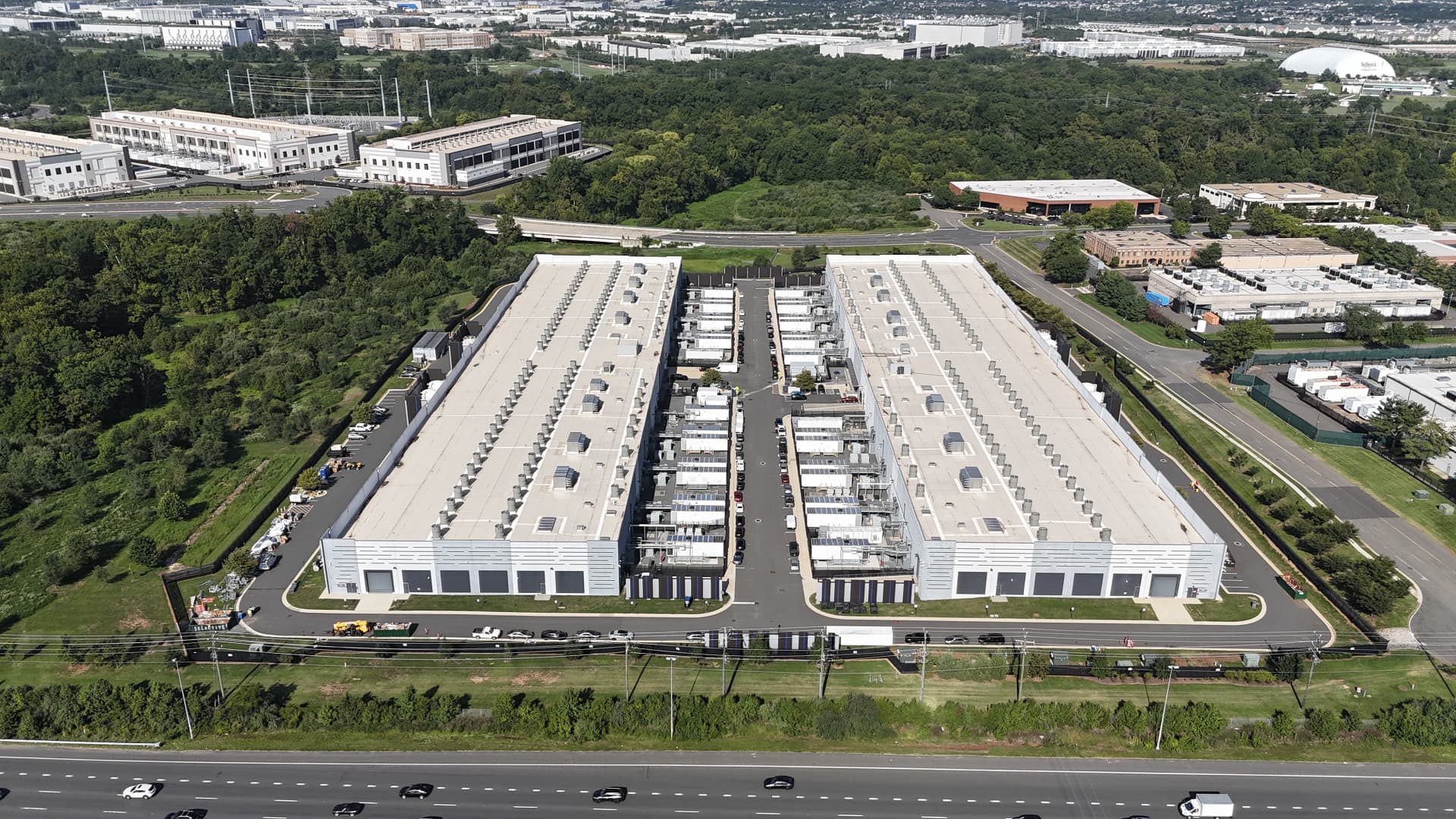
In his latest Jim Cramer AI trade commentary, the CNBC host said further pressure may be possible for AI-linked shares as investors reassess how the data-centre buildout will be financed. The concern had already contributed to sharp moves: CNBC reported that CoreWeave fell 10% on Thursday and more than 10% over the week as investors examined its borrowing costs.
Cramer’s argument is not that demand for artificial intelligence has ended. Rather, he said the market is focusing on whether sufficient capital will be available for companies building and operating AI infrastructure, and whether the participants in that expansion can support their financing needs.
Why is Jim Cramer worried about the AI trade?
CNBC reported that AI-related stocks were volatile as investors weighed demand for computing capacity against the cost of financing a large infrastructure expansion. Nvidia chief executive Jensen Huang, quoted by CNBC, said that demand for capital exceeded its availability.
CoreWeave has become a focal point in that debate. Cramer described the company as an important customer in the AI ecosystem and a neocloud dependent on financing. CNBC separately reported that investors had been scrutinising its borrowing costs. Neither account establishes that CoreWeave will be unable to meet its obligations, but the attention on its debt has raised concern about capital-intensive AI projects more broadly.
Meta has added to those concerns. CNBC said the company’s third-quarter results were overshadowed by negative free cash flow, its first since its 2012 initial public offering, and by a disclosure that long-term plans could require hundreds of billions of dollars in additional financing over several years, beginning as early as fall 2026.
The distinction is consequential for the market case. Strong interest in AI services and computing does not by itself answer who provides the capital for new capacity or on what terms. Cramer argued that this financing question, rather than a disappearance of AI demand, has put pressure on the group.
Why has Cramer not abandoned the AI theme?
Cramer said AI is not going away and maintained that Nvidia’s graphics processing units remain central to the buildout. In his view, orders for Nvidia equipment could continue if companies can raise the funds needed for expansion. That is a market judgment, not a confirmed forecast.
His charitable trust has responded by becoming more selective rather than leaving the area altogether. CNBC said the trust bought 10 shares of GE Vernova during the sell-off, citing long-term power demand, while reducing its broader AI exposure. It exited Broadcom after an average gain of roughly 128% and trimmed CrowdStrike after an average gain of about 187%; CNBC said the CrowdStrike reduction was to resize the position rather than a change in its view of the company’s fundamentals.
The trust retained a hold-equivalent rating on Meta, according to CNBC, while seeking greater clarity on the funding and monetisation of its AI investments. These portfolio actions reflect Cramer’s charitable trust and do not establish an appropriate allocation for other investors. Stock investments carry a risk of loss, and the available evidence does not determine valuations, company fundamentals or suitability for any individual.
This story draws on original reporting from CNBC.