Blanche nomination faces GOP doubts in Senate Judiciary Committee
John Cornyn and Thom Tillis have not committed to backing Todd Blanche for attorney general, putting committee approval in doubt.
By Sarah Jenkins · Chief Macro Economics Correspondent
· 4 min read
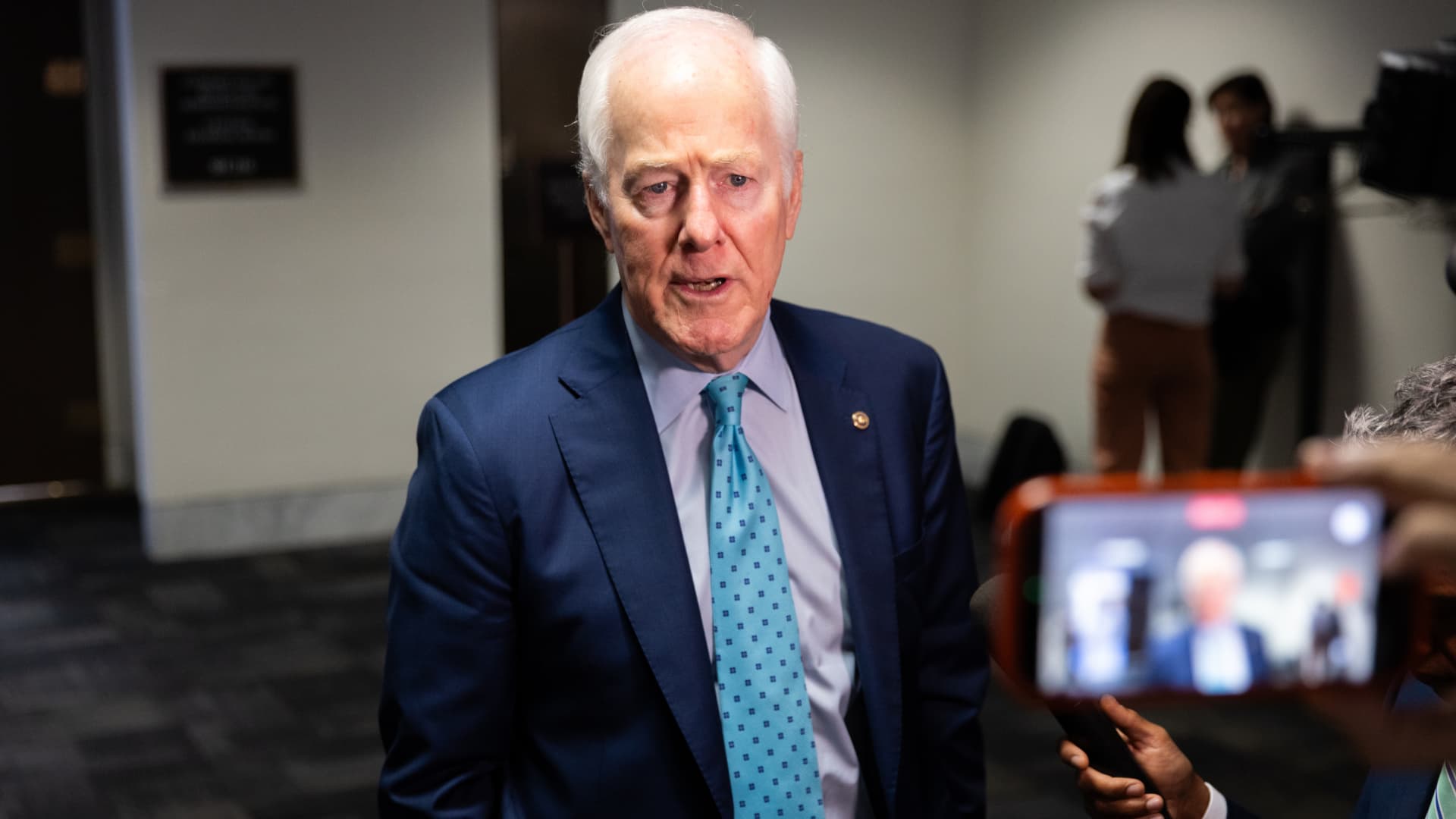
Two Republican members of the Senate Judiciary Committee said Thursday they had not decided whether to support Todd Blanche’s nomination to be U.S. attorney general, leaving President Donald Trump’s pick exposed to a possible committee setback. With the panel now divided between 11 Republicans and 10 Democrats, opposition from either Sen. John Cornyn of Texas or Sen. Thom Tillis of North Carolina could block the nomination from reaching the full Senate if Democrats vote against it.
Blanche, a former criminal defense lawyer for Trump, is serving as acting attorney general. He was confirmed by the Senate last year as deputy attorney general and became acting attorney general in April after Trump fired Pam Bondi.
Cornyn told MS NOW he was still weighing Blanche’s nomination after a confirmation hearing in which senators questioned the acting attorney general about a canceled $1.8 billion Department of Justice fund. Asked whether he remained undecided, Cornyn answered, “Yeah,” adding that he had said so several times.
The Judiciary Committee’s margin tightened after Sen. Lindsey Graham, Republican of South Carolina, died unexpectedly last weekend. Cornyn is due to leave the Senate in early January after losing the Texas Republican Senate primary in May.
Fund remains central to Republican concerns
The disputed DOJ program, described as an “Anti-Weaponization” fund, was created through an out-of-court settlement of Trump’s lawsuit against the Internal Revenue Service. The fund was intended for people described as victims of prosecutorial overreach by the Justice Department.
Critics, including some Republican senators, called the arrangement a “slush fund” and raised concerns that money could flow to people convicted of assaulting police officers during the Jan. 6, 2021, attack on the U.S. Capitol by Trump supporters.
Blanche has told Congress the fund is dead. He has declined, however, to put that position in writing in court filings tied to litigation challenging the fund’s legality. Trump has continued to show interest in the fund after Blanche said it had been dropped amid legal challenges.
Cornyn pressed Blanche on Wednesday about whether Trump and other plaintiffs in the IRS case could sue to bring the fund back. Cornyn pointed to settlement language saying the agreement “may be modified only upon the written agreement of the parties.”
Blanche replied that the plaintiffs could bring a lawsuit and that the government would litigate it. He added that “there’s no fund,” and said any such litigation would not result in the fund’s revival.
Cornyn later told reporters he was troubled by the settlement language and whether it left a path for the fund to return. Asked Thursday if he remained concerned about whether the fund was dead, as Blanche has asserted, Cornyn said, “yup, yup.”
Tillis seeks Epstein victims meeting
Tillis raised a separate condition during Thursday’s hearing, saying he wanted Blanche to meet with victims of Jeffrey Epstein before he would vote to advance the nomination. Blanche did not attend the second day of hearings.
“I have not made a final decision,” Tillis said, adding that Blanche had said Wednesday he would meet with Epstein victims quickly if a meeting could be arranged. Tillis said he expected that meeting to take place before he would support moving the nomination out of committee.
Tillis also said he shared concerns about the DOJ fund and wanted formal assurances that the proposal was finished. He said he was looking for “definable, ratified, executed agreements” rather than informal understandings.
Blanche has drawn criticism from Epstein victims over the Justice Department’s release of files during his tenure in the department’s No. 2 role. Victims said the materials included identifying information about them.
Dani Bensky, an Epstein survivor, testified against Blanche’s nomination on Thursday. She told senators that Blanche had overseen the release of nude images of survivors, the exposure of “Jane Does” and identifying information for more than 100 victims, as well as documents describing abuse, including her own.
Former Attorney General John Ashcroft testified in support of Blanche during the hearing. If the committee does not advance the nomination, Blanche could remain acting attorney general, according to the account of his current status presented during the confirmation process.
This story draws on original reporting from CNBC.


