Boeing and Airbus plan narrow-body successors as airlines press for deliveries
The two planemakers are sketching out future single-aisle jets, but customers and investors remain focused on current backlogs, certification and supply chains.
By Amanda Ross · Deals Correspondent
· 3 min read
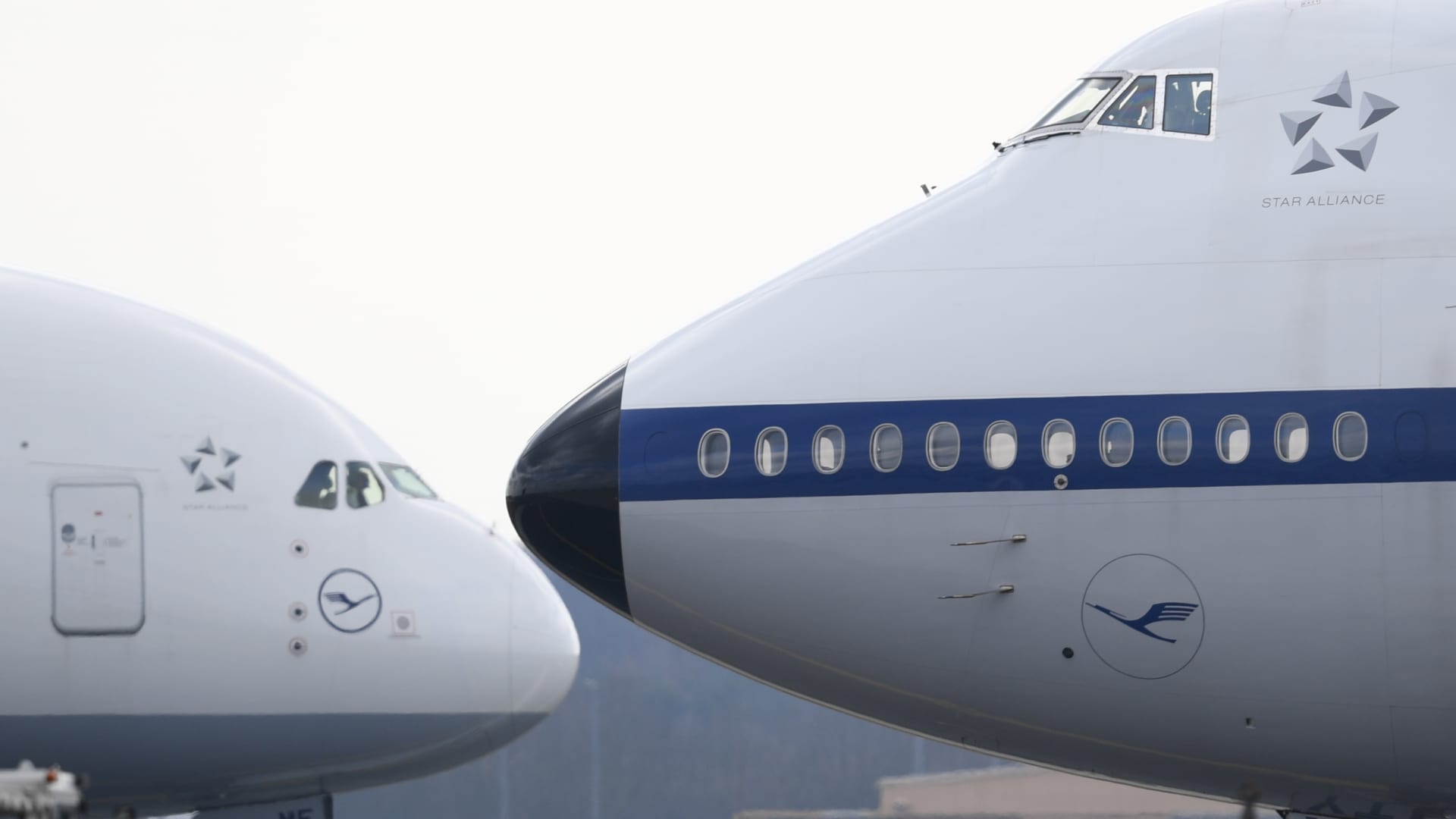
Boeing and Airbus are preparing the next contest in single-aisle aircraft, the largest segment of the commercial jet market, while airlines remain focused on receiving planes already ordered. The manufacturers’ immediate financial and operational challenge is raising output, clearing certification hurdles and stabilising supply chains after years of disruption.
Boeing Chief Executive Kelly Ortberg told CNBC on Monday that the US company needs “a couple more years” before its finances can support a new commercial aircraft programme. Airbus Chief Executive Guillaume Faury said the European group is aiming to launch a next-generation single-aisle programme around 2030, with entry into service in the second half of the 2030s.
The comments point to broadly comparable planning horizons, although the companies are approaching the decision from different positions. Airbus has attached a public target to its next programme. Boeing is signalling that it must first restore financial capacity and will also wait for a stronger case from technology and customers.
Ortberg told CNBC that three conditions must be met before Boeing launches a new aircraft: the company must be ready, the technology must be ready and the market must be ready. He said customers are currently asking Boeing to concentrate on improving the maturity of its existing product line.
That stance reflects the strain across aircraft manufacturing. Boeing is working to raise 737 Max production while addressing quality and production problems, including the January 2024 fuselage door-plug blowout. Airbus has said engine availability, especially from Pratt & Whitney, forced adjustments to production plans for this year and next, although Faury said the situation had stabilised.
Backlogs set the near-term agenda
RBC Capital Markets analysts wrote last week that Boeing investors remain focused on 737 Max and 787 output, certification of the Max 7 and Max 10, margins and cash generation. The analysts said the state of supply chains and delivery schedules would remain the main issue for investors.
For Airbus, RBC said investors want a clearer route to the company’s A320 and A350 production targets. Airbus has a backlog of more than 9,000 aircraft, and demand continues to exceed available supply. Jefferies analysts said Airbus booked 51 A320neo orders in June and that second-quarter delivery growth came almost entirely from the A320 family.
Jefferies said Airbus delivered 190 A320-family aircraft in the second quarter, a volume the analysts expect to support a significant improvement in earnings. Airbus reports deliveries monthly and is due to publish quarterly earnings next week.
At Boeing, Jefferies said on Sunday that certification work on the 737 Max 7 and Max 10 was 95% and 98% complete, respectively. The Max 10 had 1,533 aircraft on order, equal to roughly one-third of Boeing’s 737 backlog. Ortberg told CNBC that Federal Aviation Administration certification of the Max 7 was expected “very shortly” and would be a critical milestone.
Boeing has also invested about $1 billion in a fourth 737 Max production line in Everett, Washington, according to the company. The line is intended to help Boeing eventually produce more than its three existing 737 lines in Renton can support.
Airlines continue to add capacity using current models. Ryanair Chief Financial Officer Neil Sorahan told CNBC on Monday that delivery of the last aircraft in its current order of Boeing 737 Max 8-200 jets helped lift the airline’s fleet to just under 650 aircraft and increase first-quarter traffic by 6%. He said Ryanair expects passenger numbers to rise about 4% this year to 216 million.
The eventual replacements for the 737 Max and A320neo families are likely to define competition between Boeing and Airbus for decades. For now, both companies say the market is asking them to execute on today’s order books before moving decisively to tomorrow’s aircraft.
This story draws on original reporting from CNBC.


