Boeing q2 2026 earnings miss as Air Force One charge weighs
Boeing reported a wider adjusted loss than analysts expected after a $280 million hit tied to the delayed Air Force One program.
By Marcus V. Thorne · Markets Editor
· 3 min read
Boeing q2 2026 earnings fell short of Wall Street expectations after the company recorded a $280 million loss tied to its delayed program to build the next Air Force One aircraft. Revenue rose 8% from a year earlier to $24.56 billion, slightly ahead of the $24.25 billion expected by analysts surveyed by LSEG.
The US aircraft manufacturer reported an adjusted loss of 76 cents a share for the second quarter, compared with an expected loss of 30 cents a share, according to LSEG. On a net basis, Boeing lost $428 million, or 67 cents a share, narrower than the $612 million loss, or 92 cents a share, it posted in the same period last year.
Why did Boeing lose money in the second quarter?
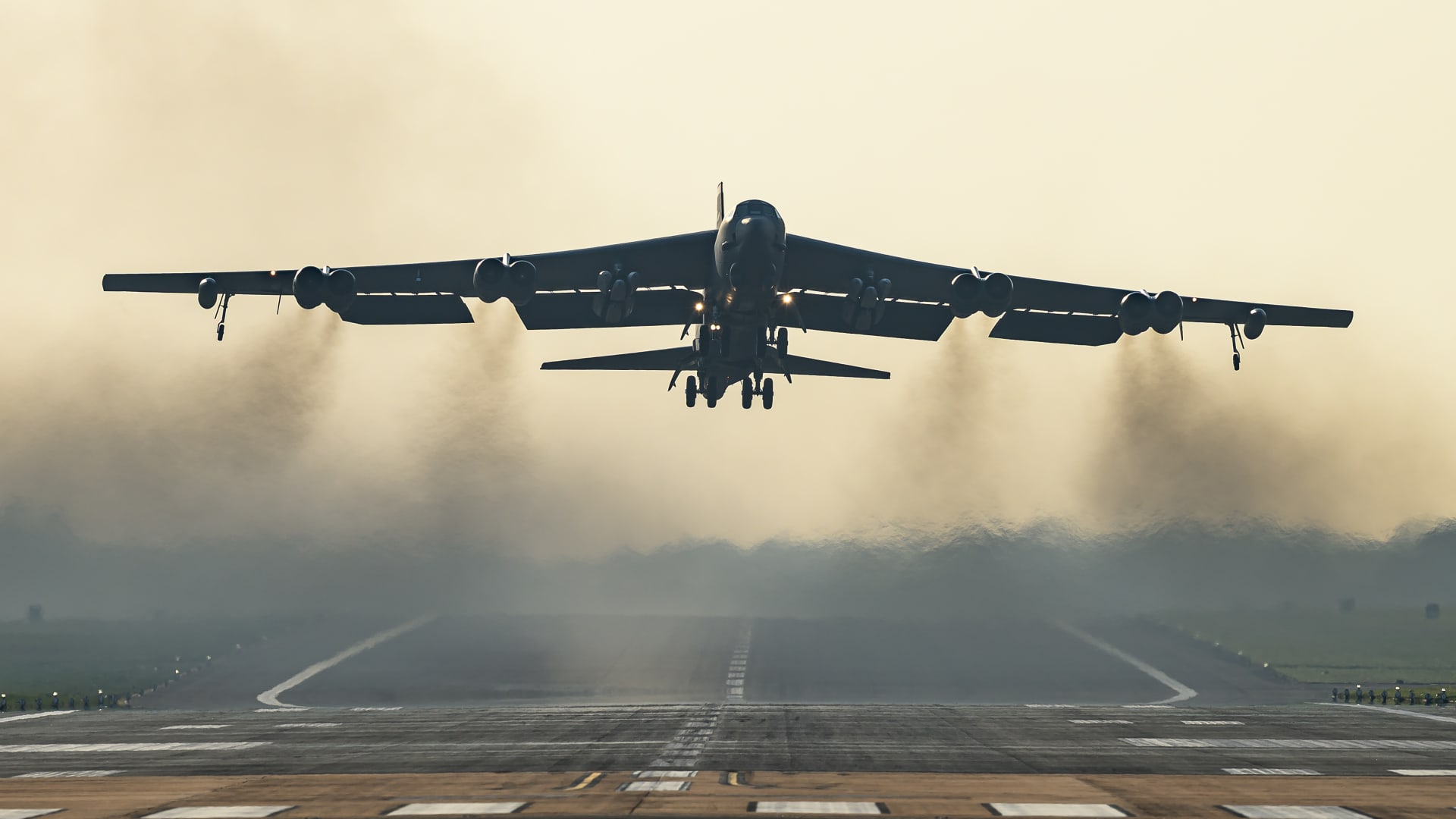
Boeing said the quarter was weighed down by a $280 million loss on the program to deliver two 747 aircraft that will serve as the next generation of Air Force One planes for the US government. The company said it increased investment in the program and still expects the first delivery in 2028.
Chief Executive Kelly Ortberg told employees in a note that Boeing was making progress on development programs, while cautioning that work remains unfinished until aircraft are completed and delivered. He also said a continued focus on safety, quality and on-time performance would help Boeing improve competitiveness and prepare for the second half of the year.
The Air Force One charge offset improvement in several operating measures. Boeing reported higher sales across its businesses, including gains from commercial aircraft deliveries. The company delivered 171 commercial jets in the second quarter, up 14% from 150 aircraft a year earlier.
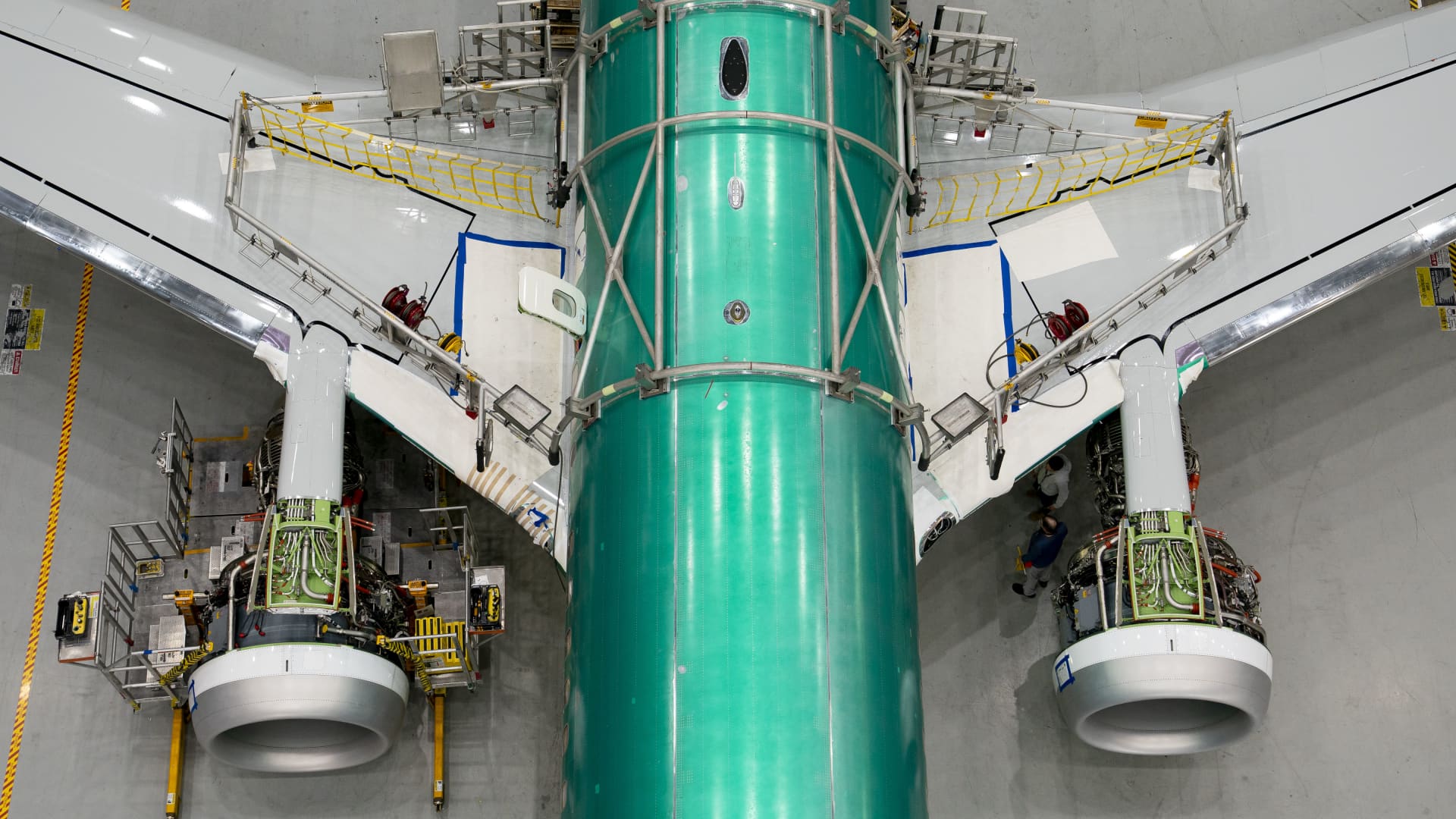
Boeing has been increasing production of its 737 Max, its best-selling jet family, to 47 aircraft a month, with further increases planned, the company said. Higher production and deliveries are closely watched by airlines, suppliers and investors because they affect revenue recognition, customer schedules and cash generation across the aerospace supply chain.
Free cash flow was also stronger than analysts expected. Boeing generated $631 million of free cash flow in the quarter, compared with analyst expectations for a $177 million cash burn. In the second quarter of the prior year, the company had reported a $200 million cash burn.
What aircraft approvals are still ahead for Boeing?
Boeing faces upcoming certification milestones for several delayed aircraft programs. The company’s next likely certification is the 737 Max 7, the smallest member of the 737 Max family.
Executives are also expected to face analyst questions on the status of the 737 Max 10 and the 777X, Boeing’s new wide-body aircraft, during a scheduled call at 10:30 a.m. ET. Certification timing remains a central issue for Boeing because approvals determine when the company can deliver aircraft to customers and convert parts of its backlog into revenue.
The quarter showed a mixed financial position: revenue and cash flow came in ahead of expectations, while adjusted earnings were weaker than Wall Street had forecast. Boeing remains one of the largest US exporters, and its production recovery continues to carry implications for airlines, suppliers and manufacturing employment beyond the company itself.
This story draws on original reporting from CNBC.