Brent rises above $100 as Strait risks reshape oil price scenarios
Oil benchmarks climbed as analysts weighed Iranian supply risks, Red Sea disruption and low inventories, with Goldman citing a possible Brent move above $120.
By Amanda Ross · Deals Correspondent
· 4 min read
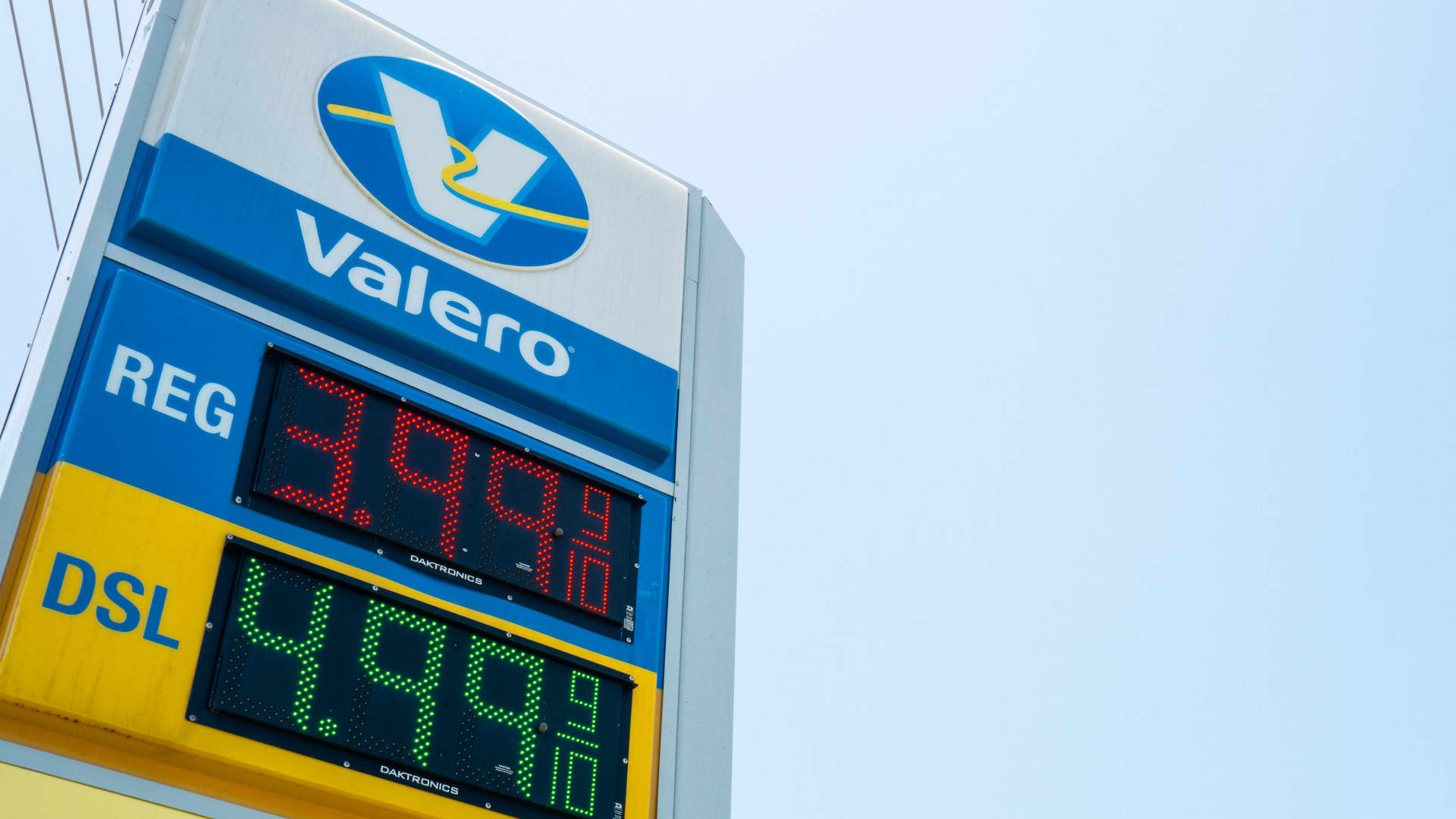
Brent crude traded above $100 a barrel and U.S. oil rose past $90 as geopolitical risks around Middle Eastern shipping routes added pressure to an already tight energy market. Goldman Sachs said Brent could rise above $120 in the fourth quarter if disruption around the Strait of Hormuz persists, according to strategist Daan Struyven.
The immediate concern for traders is the durability of supply through the Gulf and Red Sea at a time when inventories are already strained. Goldman said recent stock draws have made the market more exposed than it was earlier this year, though it also said the simulated upside in prices is lower than comparable estimates from February because demand is now assumed to respond more, particularly in China, where crude imports remain weak.
Iranian supply remains central to price risk
Analysts cited by CNBC focused on the possibility that Iranian oil production, not only exports, could be curtailed. Eric Nuttall of Ninepoint Partners said the market could struggle to absorb the loss of a further 2.6 million barrels a day of Iranian output, given Middle Eastern production is already down by 7 million to 8 million barrels a day, onshore inventories are near seasonal lows, the U.S. Strategic Petroleum Reserve is depleted and refined-product stocks are tight.
Kevin Book, co-founder and head of research at ClearView Energy Partners, said the price impact would depend on the length of any outage, but estimated that the market would face at least a $5-a-barrel increase if Iranian oil went offline, according to CNBC.
Bob McNally of Rapidan Energy Group told CNBC that Iranian exports are already largely offline. He said a full halt in production would force domestic refineries to close after storage was drawn down, leaving Iran without refined products and severely damaging its economy.
Iran remains a key variable because sanctions, shipping constraints and regional conflict can affect both the flow of crude and the availability of insurance for vessels. CNBC cited an insurance industry source who said cover remains available for shipowners, but demand has weakened as tanker traffic through the Strait of Hormuz has slowed again.
Red Sea route adds another pressure point
Market attention has also turned to the Bab el-Mandeb Strait, the narrow passage between Yemen and Africa that provides the southern entrance to the Red Sea. The route is important for crude and refined products moving between the Indian Ocean, the Suez Canal and European markets.
Tobin Marcus of Wolfe Research wrote that markets appear to expect the U.S. and Iran to step back from further escalation, but he cautioned against dismissing the risk of supply disruption around the Red Sea. Marcus said attacks near the route could endanger about 4.5 million barrels a day of oil as Saudi Arabia sends more crude through its East-West pipeline to the Red Sea port of Yanbu.
In the U.S., the continued sale of oil from the Strategic Petroleum Reserve is also drawing scrutiny. CNBC reported concerns that reserve levels are approaching what some market participants call “tank bottoms,” a point at which withdrawing desired volumes can become more difficult.
Energy equities and Iraq deals
Higher crude prices have coincided with gains in oil and gas shares. CNBC reported that seven large-cap energy names have risen by double digits this month, led by Marathon Petroleum, which is up 25% in July and has reached record highs.
Separately, U.S. companies are set to invest at least $60 billion in Iraq, according to CNBC. The companies named include Chevron, ConocoPhillips, Shell, BP, Halliburton, JPMorgan Chase, PepsiCo, Abbott and Thermo Fisher Scientific.
Chevron is in talks to rebuild a pipeline from Kirkuk in northern Iraq to the Syrian coast and is reportedly discussing investments in two large Iraqi oil fields, according to CNBC and Reuters. ConocoPhillips will invest alongside BP by taking a 42% stake in an oilfield, CNBC reported.
Natural gas company Excelerate Energy is also involved in the Iraq investment package. Goldman Sachs initiated coverage of Excelerate with a buy rating and a $49 price target, citing its floating regasification and storage business, its 12 vessels and an estimated 25% share of the global floating regasification market.
This story draws on original reporting from CNBC.


