CFTC sports prediction markets rule opposed by 44 state attorneys general
A 44-state coalition told the CFTC it lacks authority over sports event contracts as federal and state regulators contest oversight.
By Amanda Ross · Deals Correspondent
· 3 min read
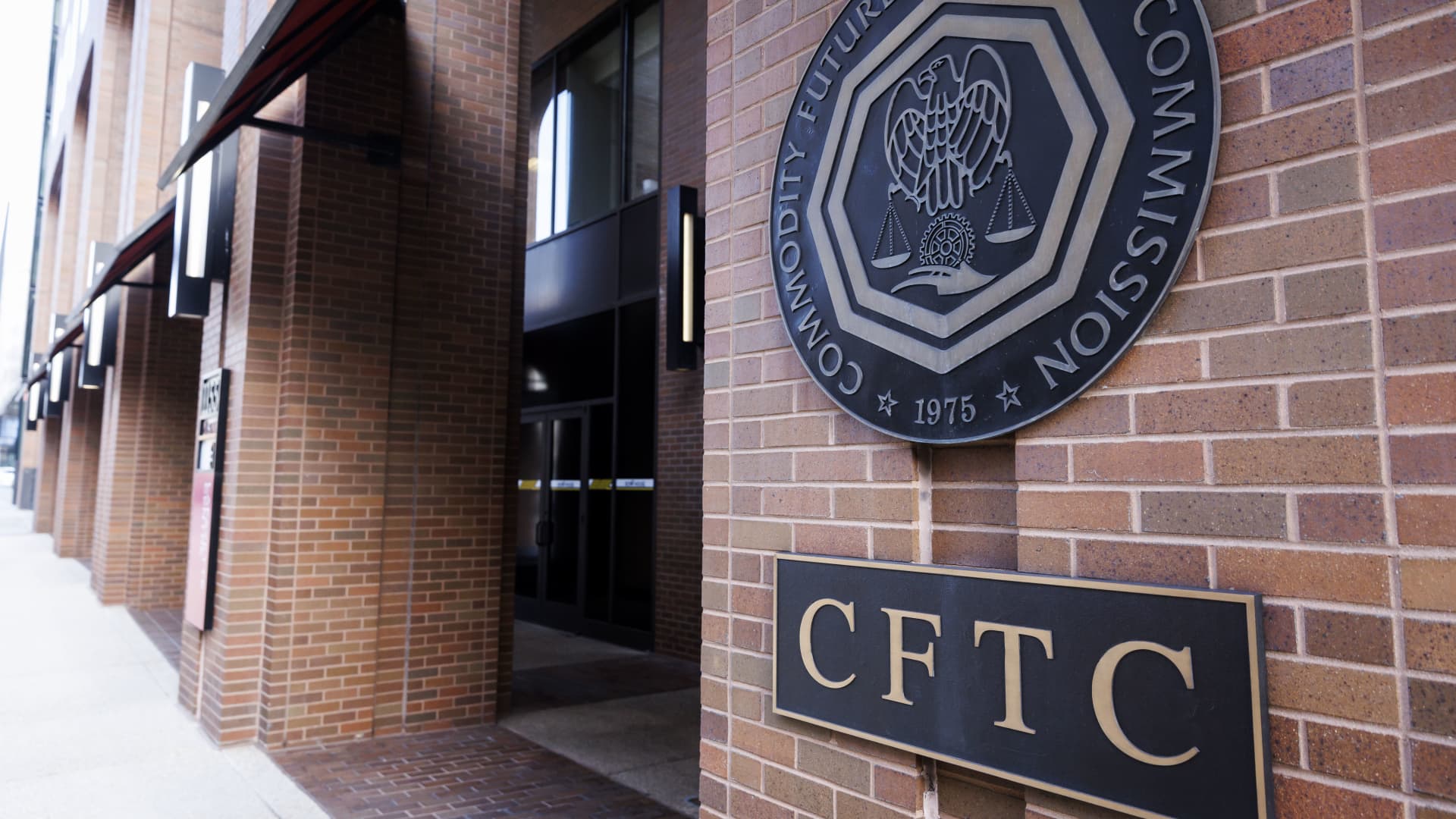
A coalition of 44 state attorneys general told the Commodity Futures Trading Commission that the agency lacks power over CFTC sports prediction markets tied to athletic events. The letter arrived as the commission’s comment period closed on its first proposed rule for prediction-market regulation, a measure centered heavily on sports contracts.
The attorneys general, led by Ohio Attorney General Andy Wilson, argued that sports-related event contracts should remain under state gambling and sports-betting law rather than federal derivatives oversight. Attorneys general from Florida, Georgia, New Hampshire, Missouri and Texas did not sign the letter.
The dispute has become a central test for prediction-market platforms whose trading volumes rose sharply last year, with sports contracts driving much of the activity. CNBC reported that the 2026 FIFA World Cup pushed platform volumes to new highs.
Who should regulate sports prediction markets?
The CFTC and prediction-market companies argue that event contracts are swaps, a type of derivative regulated by the commission. States argue that sports-linked contracts resemble sports wagers and fall within powers they have long used to regulate betting inside their borders.
A swap is a financial contract whose value depends on an underlying event, price or measure. In this case, the legal dispute turns on whether contracts tied to sports outcomes are financial instruments under federal commodities law or gambling products subject to state control.
The state coalition said in its letter that the CFTC’s proposal exceeds the agency’s statutory authority and conflicts with constitutional limits. The attorneys general asked the commission to restart the rulemaking and clarify that sports bets and gambling cannot trade on designated contract markets, the federally regulated exchanges overseen by the CFTC.
The commission has relied on federal preemption arguments in court as it seeks to defend exclusive authority over prediction markets. CNBC reported that the CFTC is litigating against nine states to challenge actions those states have taken against prediction-market offerings.
How the proposed rule defines gaming
The CFTC released a first draft of the rule in June. The draft gives substantial attention to sports-related event contracts and describes categories that could be barred.
The proposal also defines “gaming” as activity undertaken for recreation or entertainment, governed by rules and determined by measurable outcomes from skilled activity during that activity. CME Group objected to that approach in its own letter to the CFTC.
CME General Counsel Jonathan Marcus wrote that defining gaming as the sport itself rather than financial wagering on the sport suggests the Commodity Exchange Act would preempt state sports regulation. He described that result as a significant overreach.
CME has its own role in the market: the exchange acts as sportsbook FanDuel’s CFTC-regulated exchange for sports prediction markets, according to CNBC.
Rothera, a prediction-market platform that launched in June, supported the commission’s approach. Chief Executive Thomas Chippas wrote to the CFTC that a definition based on wagering or risking something of value would capture every event contract, and said Rothera agreed that such a definition should be rejected.
Courts are producing mixed decisions
Legal rulings have not moved in one direction. Reuters reported that a Michigan judge in late June blocked Kalshi from offering sports bets in the state. Reuters also reported that a federal judge in Minnesota on Monday temporarily stopped a statewide ban on prediction markets from taking effect Saturday.
Observers of prediction markets broadly expect the Supreme Court may ultimately decide which regulator has final authority over sports-related event contracts. Until then, state enforcement actions, CFTC litigation and exchange rulemaking are likely to set the operating boundaries for platforms and their partners.
This story draws on original reporting from CNBC.