Chinese AI models draw more US corporate traffic as cost pressure rises
OpenRouter and Vercel data cited by CNBC show US developers shifting more AI usage to lower-cost Chinese models as performance improves.
By Sarah Jenkins · Chief Macro Economics Correspondent
· 4 min read
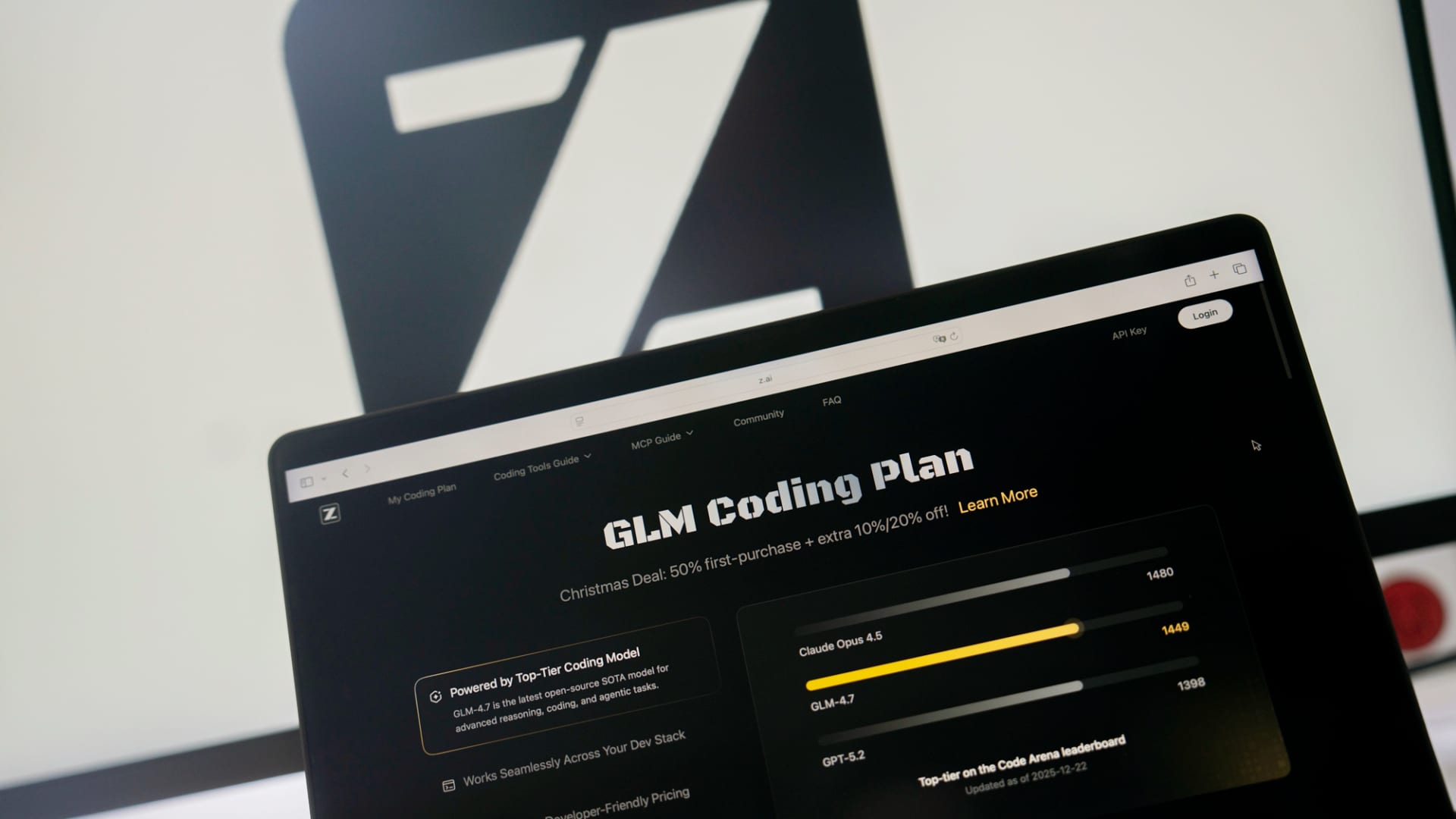
Chinese artificial intelligence models are taking a larger share of usage among U.S. companies as businesses seek lower-cost alternatives to advanced systems from OpenAI and Anthropic, according to data and executives cited by CNBC. On OpenRouter, a platform that lets developers access multiple AI models, Chinese models have accounted for more than 30% of weekly tokens used by U.S. companies since Feb. 8, rising as high as 46%.
That marks a sharp increase from an 11% average over the prior 12 months and 4.5% in the first half of 2025, according to OpenRouter data cited by CNBC. Token usage is a key measure for AI providers and customers because many model bills are tied to the volume of text processed through a system.
The shift reflects both improving model quality from Chinese developers including DeepSeek and Z.ai and rising concern among corporate users over the cost of deploying generative AI at scale. CNBC reported that recent Chinese releases are viewed by many users as competitive with leading U.S. frontier systems, while advanced model prices at several American AI labs have increased.
Cost becomes a larger factor
Kyle Chan, a fellow in the John L. Thornton China Center at Brookings, told CNBC that Chinese models have become more appealing as AI expenses rise. “Where previously U.S. companies were prioritizing AI adoption regardless of model, now they’re getting more cost-conscious,” Chan said.
Open-source and open-weight models expose parts of their systems for developers to inspect, use or adapt, in contrast with many closed models from companies such as OpenAI, Anthropic and Google, whose code and internal design remain proprietary. CNBC reported that the most capable lower-cost options in those categories increasingly come from Chinese companies.
Lindy, an AI startup, moved all of its traffic from Anthropic’s Claude models to DeepSeek in June, CNBC reported. Chief Executive Flo Crivello told CNBC the shift brought a steep reduction in costs and said it would save the company millions of dollars within months. Crivello also said in a post on X that DeepSeek V4 improved performance across many of Lindy’s core uses.
Vercel, a platform used to deploy and run applications and websites, has also recorded growing Chinese model adoption. Harpreet Arora, Vercel’s head of agentic infrastructure, told CNBC that Z.ai’s GLM 5.2 had the fastest adoption of any model tracked by Vercel in 2026. In its first full week after launch, daily token volume increased about 27-fold and the number of customers using it rose about 80-fold, Arora said.
“Price is doing the work here,” Arora told CNBC, adding that teams are routing tasks to cheaper models when the highest-performing model is not required. Justin Summerville, who works on data and analytics at OpenRouter, told CNBC that open-source Chinese models can cost 60% to 90% less than leading models from Anthropic and OpenAI.
Policy questions rise with adoption
The growing use of Chinese systems comes as Washington examines controls on powerful AI models and weighs how to slow adoption of foreign alternatives. CNBC reported that OpenAI said in late June it would restrict the rollout of a new set of models at the U.S. government’s request. Export controls on Anthropic’s Mythos and Fable models were also lifted that month after a standoff between the Trump administration and the company, according to CNBC.
Performance is narrowing as well. Chan estimated to CNBC that Chinese models are now six to nine months behind top U.S. rivals while often costing a fraction as much. Summerville said the newer open-source models perform well and are capable for all but the most complex large language model tasks.
CNBC reported that Z.ai’s GLM 5.2 came within one percentage point of Anthropic’s Opus 4.8 on a widely followed agentic benchmark at roughly one-fifth of the cost. Some researchers have said GLM 5.2 can match top U.S. labs on certain cyber benchmarks, according to CNBC.
On LaunchLemonade, an AI agent platform for regulated industries, Claude and ChatGPT still lead usage, but GLM 5.2 has entered the top five models, founder and Chief Executive Cien Solon told CNBC. Solon said models from Z.ai and Alibaba’s Qwen are becoming options for companies because they combine performance and cost advantages for particular workloads.
Yacine Jernite, head of machine learning at Hugging Face, told CNBC that companies are increasingly interested in cheaper AI systems they can control and adapt. He said that, given the state of open-source and open-weight models, that often means using Chinese options. CNBC said it had sought comment from OpenAI and Anthropic.
This story draws on original reporting from CNBC.