CNBC ranks 10 US states with infrastructure edge for AI data centers
Power supply, water access and prepared development sites are shaping where AI data center investment can move fastest, according to CNBC’s 2026 study.
By Sarah Jenkins · Chief Macro Economics Correspondent
· 4 min read
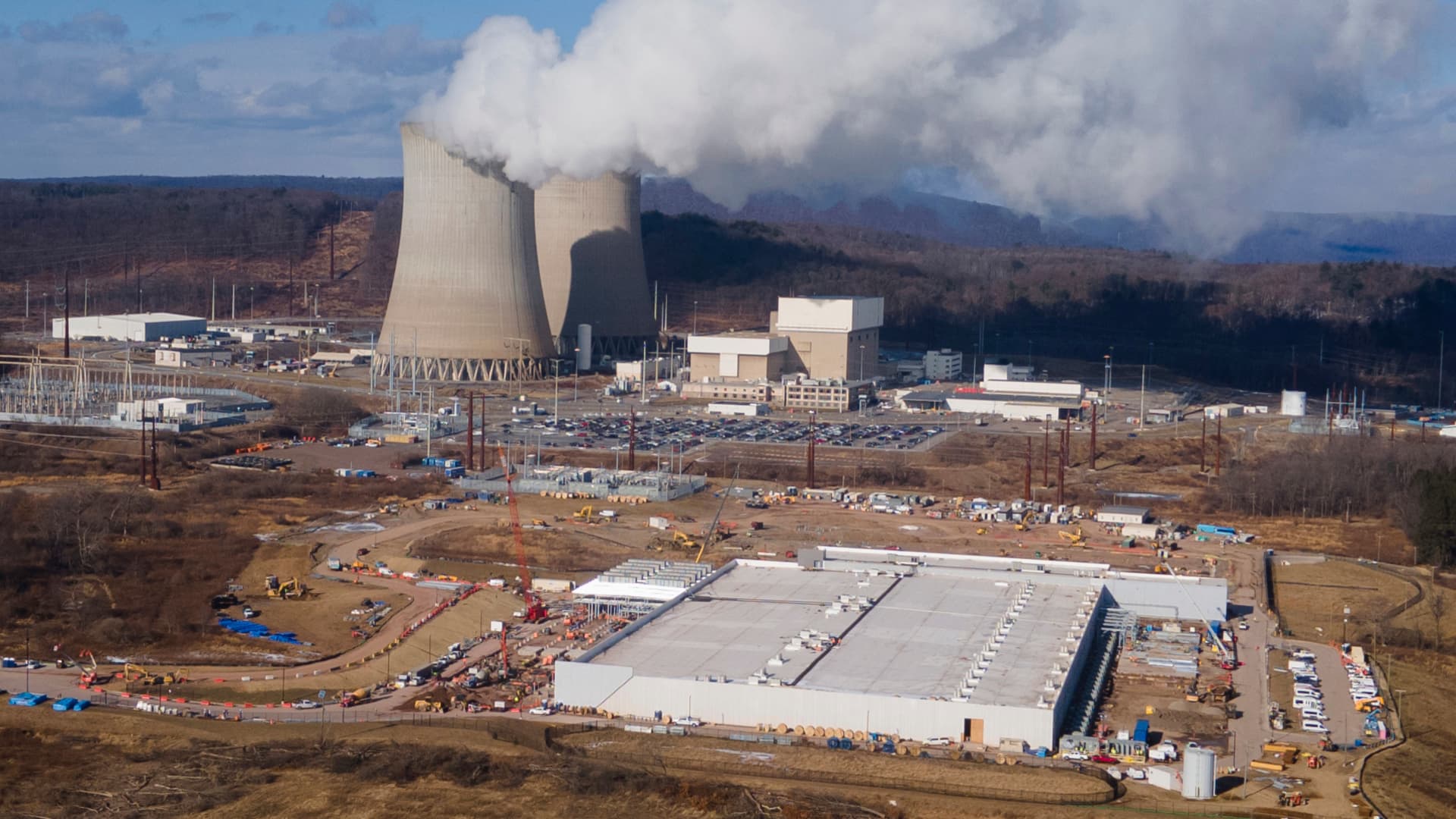
Ohio, Virginia and Illinois lead a group of US states that CNBC says are best placed to attract AI data center investment, as electricity capacity, water access and ready-to-build sites become decisive factors. The findings come as governors court projects worth billions of dollars while communities raise concerns about power demand, utility bills and local land use.
CNBC’s 2026 America’s Top States for Business study gives the heaviest weighting to infrastructure. For AI, that category includes the cost and availability of electricity, transmission capacity for computing loads, water supply and state-certified sites that can shorten construction timelines.
AI data centers concentrate thousands of servers that require steady power and cooling. Developers therefore look for locations where utilities can deliver large loads, water is available for cooling systems or related operations, and parcels have already cleared enough state review to reduce permitting and preparation risk.
Tom Stringer of Stringer Site Selection and Incentives told CNBC that projects have become larger and require more power and natural resources because of AI, making land and infrastructure central to site selection.
States with an infrastructure advantage
Ohio ranked first in CNBC’s 2026 infrastructure category and first overall in the business rankings. CNBC cited 3,888 megawatts of maximum load available for computing, a full 4 out of 4 water availability score and a site certification program. SoftBank and SB Energy are building a data center project in Pike County on the site of a former uranium enrichment facility, with plans for a gas-fired power plant and 18 small nuclear reactors, according to CNBC.
Virginia placed second for infrastructure and had the largest computing power load in the CNBC data, at 32,396 megawatts. The Virginia Business Ready Sites Program had 127 certified sites as of May, according to the Site Selectors Guild. CNBC also noted public pushback, with some municipalities discussing restrictions on large data centers.
Illinois ranked third for infrastructure, supported by 11 nuclear reactors and growing renewable generation, according to CNBC. The state had 11,822 megawatts of maximum computing load and more than 200 data centers. Gov. JB Pritzker paused new data center incentive agreements from July 1, saying in a June 5 statement that the state must balance technology growth with protections for families and communities.
Indiana ranked fourth for infrastructure. CNBC cited 6,190 megawatts of maximum computing load, good water availability and an established site readiness program, though the state did not report dedicated funding for that program in a Site Selectors Guild survey.
Tennessee ranked sixth. CNBC pointed to reasonable electricity costs, a reliable system and strong water availability, including the Tennessee Valley Authority’s management of the Tennessee River basin. The University of Tennessee’s AI Tennessee initiative links government, industry and academic work across sectors including energy, manufacturing and health care, according to the program.
Large projects meet local constraints
Arizona ranked eighth for infrastructure and had reasonable power costs, according to CNBC, but scored only 1 out of 4 for water availability. Gov. Katie Hobbs signed a bipartisan measure pausing state sales tax breaks for data centers for three years, CNBC reported.
Michigan ranked ninth and is drawing a $16 billion, 1.65 million-square-foot data center near Ann Arbor being developed by Blackstone and Related Digital for OpenAI and Oracle, according to CNBC. The state scored 4 out of 4 on water availability and is putting $150 million into site readiness this year, more than any other state cited in the report.
Pennsylvania ranked 11th. Amazon agreed to invest $20 billion in two data centers in the state, CNBC reported, while Pennsylvania had the second-highest computing power supply in the study, at 14,110 megawatts.
New York ranked 13th and had 8,976 megawatts of maximum computing load. CNBC cited the 339-mile Champlain Hudson Power Express transmission line, which is designed to carry 10.4 terawatt hours of clean electricity annually from Canada to New York City.
South Carolina ranked 27th overall for infrastructure but stood out for certified land. The state increased funding for its Palmetto Sites readiness program by more than 250% to $80 million in 2026, according to Site Selectors Guild data cited by CNBC.
The rankings show that AI investment is testing state infrastructure in several dimensions at once. Low-cost electricity alone is not enough if transmission, water access, local approvals or community acceptance become binding constraints.
This story draws on original reporting from CNBC.