Cocoa prices fall, but chocolate prices stay high as demand weakens
Cocoa futures are down 34% from a year ago, but Lindt, Barry Callebaut and Nestlé say high costs are still weighing on sales.
By Marcus V. Thorne · Markets Editor
· 4 min read
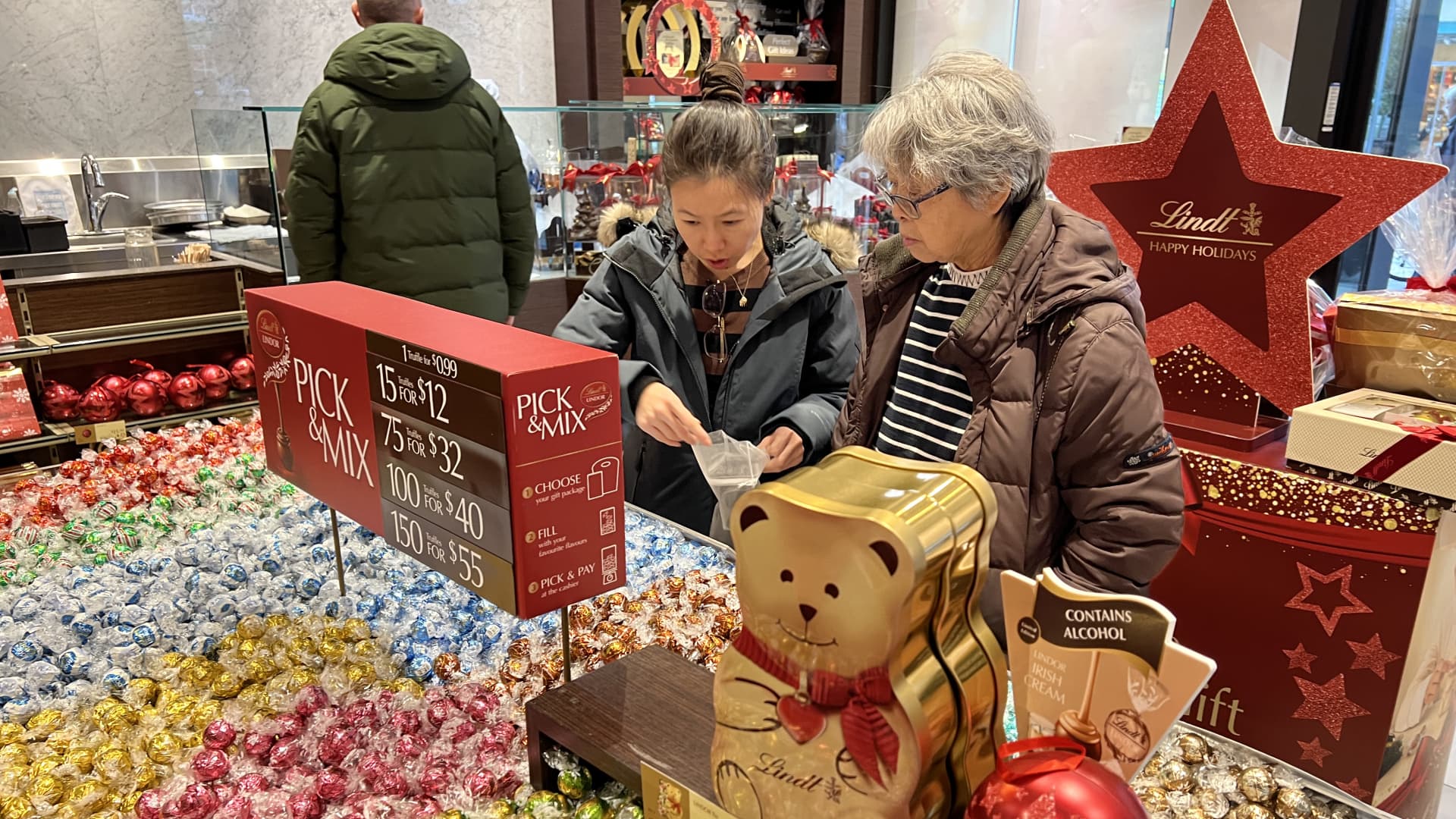
Cocoa prices chocolate prices are moving in different directions: cocoa futures were recently at $5,327 per metric ton, down 34% over the past year, according to CNBC market data, while major confectionery groups say high costs are still limiting demand. The pullback follows a rally that took cocoa close to $12,000 per metric ton at the end of 2024, far above the $2,000 to $3,000 range seen for much of the past two decades.
Swiss chocolate companies Lindt, Barry Callebaut and Nestlé have each cited cocoa as a pressure point in recent results. The easing in futures gives manufacturers some scope to rebuild demand, but companies are not presenting lower shelf prices as the main near-term remedy. Their plans include premium product formats, social media-led launches and more digital marketing aimed at younger consumers.
Why is chocolate still expensive when cocoa prices are falling?
Retail chocolate prices do not move one-for-one with cocoa futures because manufacturers buy ingredients, set prices and manage contracts over time. A hedge is a financial arrangement used to lock in or limit exposure to future commodity price moves, so lower market prices may take time to show up in reported costs or consumer prices.
Lindt said Monday that groupwide price increases of 11.8% contributed to a 7.5% drop in chocolate sales volumes in the first half of the year. Chief Executive Adalbert Lechner told analysts that record cocoa prices had forced unusually large price increases across the industry, while geopolitical uncertainty, inflation and weak consumer sentiment hurt demand. He also said the Middle East crisis weighed on Lindt by reducing tourism flows from Asia and the Middle East to Europe.
Barry Callebaut, the world’s largest chocolate and cocoa supplier, said global consumers bought 4.4% less chocolate in its third quarter than a year earlier. The company’s own sales volumes rose 5.7% in the quarter, turning positive for the first time in more than two years, while global cocoa sales increased 18% following a market correction earlier in the year.
Nestlé said higher cocoa and coffee prices reduced underlying trading operating profit by 2.8% in the first half. The company said confectionery accounts for 9.7% of total sales and that margins should benefit as cocoa prices decline.
What drove the cocoa rally?
The surge in cocoa was tied largely to weak harvests in West Africa, where supply was hit by adverse weather. In a December analysis, Dr Tanya Lander, a researcher at the Oxford Martin School Programme on the Future of Food, linked poor harvests in Côte d’Ivoire and Ghana to a strong El Niño, which brought hotter, drier and more erratic rainfall conditions. She said those two countries produce 60% to 70% of global cocoa beans.
El Niño is a recurring Pacific Ocean weather pattern associated with warmer-than-average temperatures and can occur every two to seven years. Barry Callebaut said a strong El Niño has been confirmed for 2026 and 2027 and presents downside supply risk, but added that a large surplus for 2025-2026 creates a buffer compared with 2023-2024.
Climate pressures are also part of the backdrop. UBS analysts said in early July that heatwaves and rising temperatures in Lindt’s key European markets could affect chocolate demand, noting that European sales excluding Eastern Europe fell in the four weeks to June 14. UBS also estimated that Lindt may have hedged cocoa bean prices for 2027 at favorable levels, potentially reducing costs by as much as 500 million Swiss francs.
How are chocolate makers trying to win back shoppers?
Lindt has highlighted social media as a route to demand after launching its Dubai-style chocolate bar in December 2024, following a viral trend. Lechner told analysts that the launch showed the power of social media to build awareness and demand, and said Lindt plans to expand its social media presence.
Nestlé Chief Executive Philipp Navratil told analysts the company plans to spend more on influencer marketing and shift its advertising toward more digital, social and organic formats aimed at younger consumers.
Lindt and Barry Callebaut are also focusing on premium products. Lechner said Lindt is broadening its price architecture to draw in new consumers and increase purchase frequency without weakening its premium position. He said Lindt selectively lowered prices in Germany and Switzerland, particularly around Christmas, to support demand, while Barry Callebaut has emphasized growth in its Gourmet business serving chefs and bakers and in higher-end specialty chocolate.
This story draws on original reporting from CNBC.