Cramer sees market breadth outside technology despite tech selloff
CNBC’s Jim Cramer cited gains in banks, transport, biotech and other groups as technology shares came under pressure.
By Sarah Jenkins · Chief Macro Economics Correspondent
· 4 min read
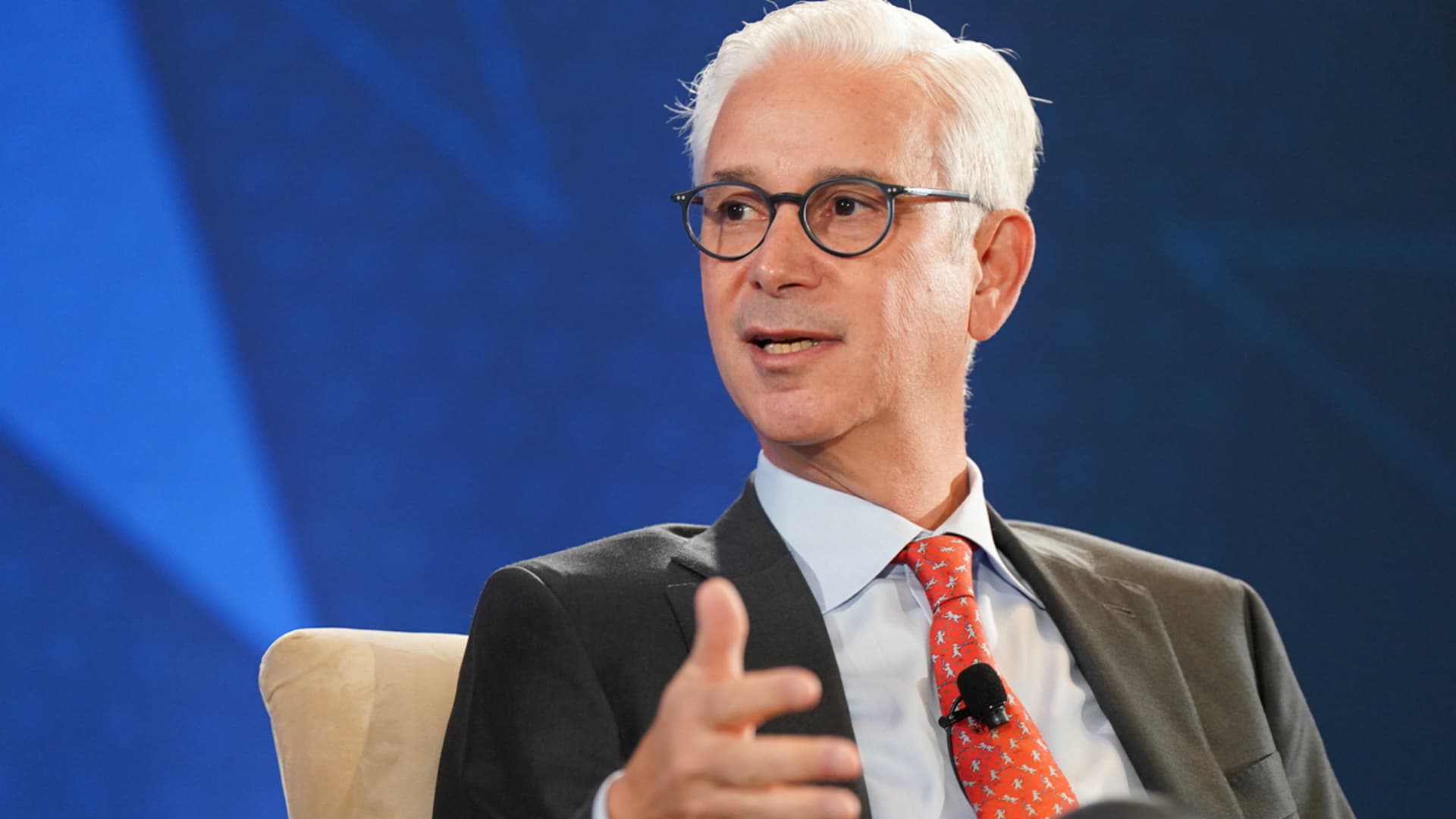
Technology weakness has not stopped pockets of equity-market strength, according to CNBC’s Jim Cramer, who pointed to gains and improving business trends in banks, transport, biotechnology, retail, rail and airlines. Cramer cited a 12 price-to-earnings multiple at Wells Fargo, a workforce reduction of about 23% under CEO Charlie Scharf and a year-to-date rise of more than 27% in the SPDR S&P Biotech ETF as evidence that investors are still rewarding companies outside the technology complex.
Cramer said the market has felt strained as S&P 500 and Nasdaq futures have opened lower in evening trading, while his preferred S&P Short Range Oscillator has not reached levels he considers sufficiently oversold. His broader argument was that the pressure is concentrated in technology and data-centre-linked trades, while other sectors have continued to respond to earnings, restructuring and deal activity.
Wells Fargo and transport lead the examples
Wells Fargo was central to Cramer’s case. He said the bank’s latest quarter drew a cool response from analysts, even after some price-target increases, but investors later took a more constructive view after direct discussions with Scharf.
According to Cramer, Scharf is using Wells Fargo’s national banking franchise to expand in mergers and acquisitions advice and securities underwriting. Those businesses generate fees from advising companies on transactions or arranging capital raises, and Cramer said they carry better margins and lower risk than traditional lending.
Cramer linked the strategy to Wells Fargo’s earlier consolidation history, including its 2008 purchase of Wachovia, and said the bank had previously done less M&A advisory work than smaller specialist firms such as Centerview Partners and Lazard. He also said Scharf has recruited senior bankers from rivals and is seeking to improve Wells Fargo’s position in global M&A league tables.
In transport, Cramer highlighted J.B. Hunt, saying the trucking and logistics downturn had followed a familiar cycle: weaker competitors exited, capacity tightened and pricing improved. He said J.B. Hunt then delivered an upside surprise, and connected that turn in the cycle to his view of FedEx Freight, which he said was spun off from FedEx on June 1.
Biotech, fintech and cyclicals draw attention
Cramer also cited biotechnology, saying the SPDR S&P Biotech ETF had gained more than 27% this year despite concerns among professional investors that inflation is accelerating. He attributed the sector’s strength partly to a wave of acquisitions, adding that the activity was broader than deals involving Eli Lilly.
In financial technology, Cramer pointed to what he described as Stripe’s offer to acquire PayPal. He said consolidation could matter for a crowded payments and fintech group that includes Fiserv, Global Payments, Toast, Fair Isaac, Block and Affirm, because mergers can reduce the number of listed companies and absorb some equity supply.
He also named Target, Union Pacific, Delta and United as examples of companies or sectors where a credible operating story has been enough to produce gains during earnings season.
Technology remains under pressure
Cramer contrasted those moves with weakness in technology, particularly hyperscalers and stocks tied to data centres. He said Microsoft, Amazon and Google had briefly improved before turning lower again, and described continued selling in memory and semiconductor-linked names such as Seagate, Western Digital, Sandisk, SK Hynix, Micron, Arm, AMD and Intel.
He attributed part of that pressure to leveraged positions being unwound. In such trades, investors borrow to increase exposure; when prices fall, forced selling can accelerate declines as lenders or risk managers demand reduced exposure.
Cramer also discussed SpaceX, saying its decline appeared orderly and had not triggered a broader selloff in related space, energy or self-driving themes. He said short sellers appeared able to pair positions with shares expected to become available over time, a structure that can reduce the technical difficulty of shorting a recently issued security.
The core question, in Cramer’s view, is whether continued gains outside technology will draw capital away from investors who remain heavily weighted toward tech. He said he does not see a technology bubble, while adding that easier gains elsewhere during earnings season could change portfolio allocations.
This story draws on original reporting from CNBC.


