CuspAI raises $450mn as Bezos and Nvidia back materials search
The British AI materials startup was valued at $2.6bn in a round led by Kleiner Perkins and NEA, alongside a new Nvidia-linked industry initiative.
By Sarah Jenkins · Chief Macro Economics Correspondent
· 3 min read
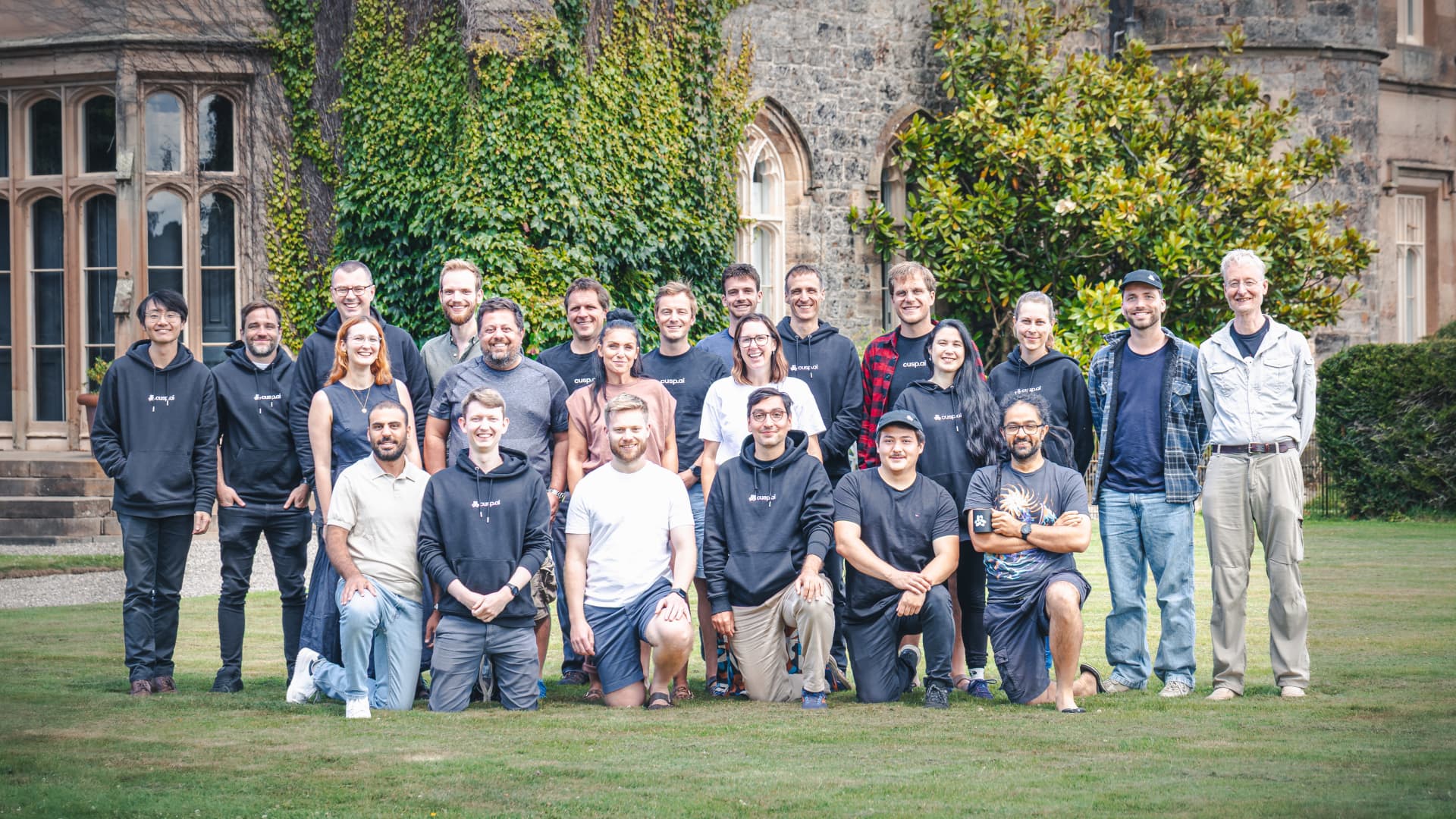
CuspAI, a British startup using artificial intelligence to identify new industrial materials, has raised $450mn at a $2.6bn valuation and announced a partnership network that includes Nvidia. The financing and alliance point to growing investor interest in applying AI to bottlenecks in semiconductors, clean energy and advanced manufacturing.
The funding round was led by Kleiner Perkins and NEA, according to the announcement. Jeff Bezos’ Bezos Expeditions made a significant investment, while Glade Brook Capital Partners, Lux Capital, AMD Ventures and Britain’s Sovereign AI Venture Fund also joined as new backers.
CuspAI’s software is designed to model how new materials could perform before they are made and tested in a laboratory. That approach can reduce the number of candidate materials researchers need to synthesize, screen and validate, a process that can otherwise involve a broad universe of chemical combinations.
The company is targeting areas where materials performance can determine cost, efficiency or feasibility, including chipmaking, carbon capture, water treatment and advanced manufacturing.
AI materials network
CuspAI also launched an initiative it calls the AI Materials Foundry. The company described it as a network combining data, laboratory capacity, computing power and scientific expertise on top of CuspAI’s AI platform.
Nvidia is among 45 organizations involved in providing computing infrastructure for the initiative, according to the announcement. Meta’s Fundamental AI Research Team is also joining the project.
Chad Edwards, CuspAI’s chief executive and co-founder, said in a statement that new materials would create opportunities across semiconductors, energy and advanced manufacturing as AI extends into physical industries. He said the foundry brings Nvidia accelerated computing infrastructure together with chemistry and materials expertise to support materials discovery.
The role of computing power is central to the model. Materials AI systems need large amounts of processing capacity to run simulations, evaluate structures and compare likely performance across many possible compounds. The foundry structure links that computational layer with laboratories and domain specialists that can test whether AI-generated candidates work in practice.
Expansion plans
CuspAI is opening an office in Singapore and expanding teams in the United Kingdom, the Netherlands, Germany, Japan and the United States, according to the announcement.
The company is part of a broader group of AI businesses seeking to move beyond software-only applications and into physical engineering. Bezos is also linked to Prometheus, a company founded in 2025 that is developing AI for invention and physical engineering. Prometheus has raised $12bn at a $41bn valuation, according to CNBC.
Josh Coyne, a partner at Kleiner Perkins, said in a statement that many technological advances depend on materials and that CuspAI had built a tool to search for them. Investors and industrial partners are now testing whether AI can shorten discovery cycles in sectors where laboratory validation, manufacturing constraints and supply-chain requirements remain decisive.
This story draws on original reporting from CNBC.