Democrats propose limits on foreign-owned companies’ election spending
Raskin and Whitehouse bill would set ownership thresholds for U.S.-registered companies with foreign ties, extending campaign finance restrictions.
By Amanda Ross · Deals Correspondent
· 3 min read
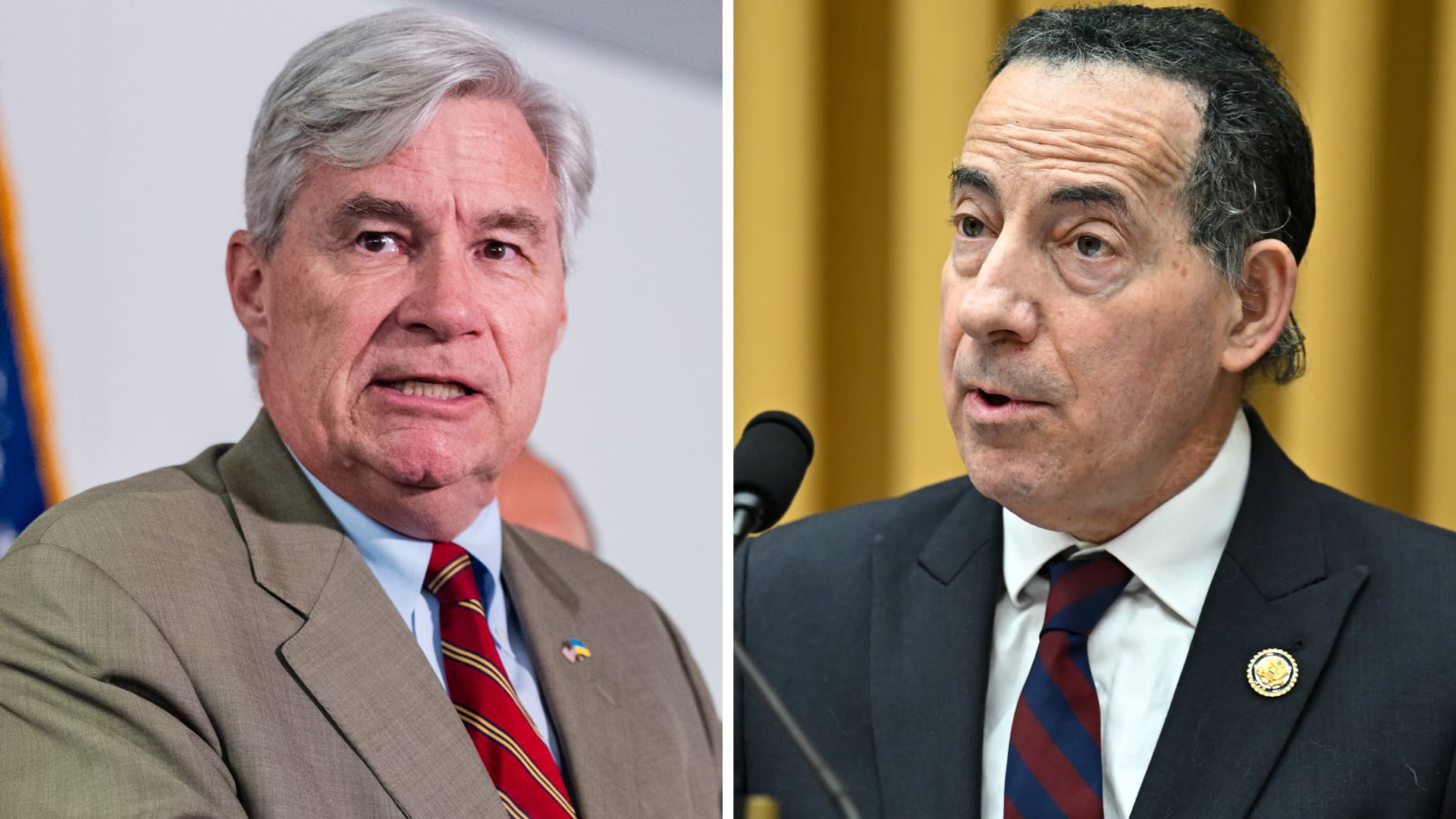
Democratic lawmakers introduced legislation Wednesday that would bar certain foreign-owned or foreign-influenced U.S. companies from putting money into American elections, using ownership thresholds to decide which entities are covered. The proposal, led by Rep. Jamie Raskin of Maryland and Sen. Sheldon Whitehouse of Rhode Island, targets corporate political spending permitted after the Supreme Court’s 2010 Citizens United decision.
The Get Foreign Money out of U.S. Elections Act would apply restrictions to contributions involving campaigns, ballot initiatives and referendums. Raskin and Whitehouse say the measure is intended to close gaps in election law at a time when foreign equity ownership in U.S. companies has risen sharply since the 1990s.
Foreign nationals are already prohibited from contributing to U.S. elections. The proposed legislation would extend that framework to some business entities registered or operating in the United States when foreign ownership or control reaches specified levels.
How the thresholds would work
Under the bill, a business entity located outside the United States would be barred from making political contributions if foreign nationals own 50% of its voting shares, total equity or membership units. The measure would also restrict a U.S.-based entity if a single foreign national outside the country owns or controls 1% of its voting shares, total equity or membership units, among other covered circumstances.
The mechanism is designed to treat ownership and control as relevant to political spending authority. Rather than banning all U.S.-registered companies with any foreign investor, the bill would define points at which foreign participation is significant enough to trigger campaign finance limits.
Raskin, in a statement, criticized the Supreme Court under Chief Justice John Roberts for the Citizens United ruling, which allowed corporations and outside groups to spend unlimited amounts on U.S. elections. He said the bill would “root out corruption” and ensure elections are decided by Americans rather than “foreign oligarchs.”
Whitehouse said in a statement that foreign actors can use the same dark-money channels available for corporate spending after Citizens United. He said the legislation would “at least safeguard our democracy from foreign adversaries influencing American elections from the shadows.”
Political path in Congress
The measure had more than 65 Democratic cosponsors in the House and 11 in the Senate when it was introduced, according to its sponsors. Republicans control both chambers, meaning the bill would require support from the majority party to advance.
Raskin and Whitehouse backed a nearly identical proposal in the 118th Congress, but that version did not receive a vote in either chamber. The new bill also arrives shortly after a June Supreme Court decision striking down limits on how much political parties may spend in coordination with candidates.
Separately, the House earlier this month passed a bipartisan bill led by Rep. Brian Fitzpatrick, Republican of Pennsylvania, and Rep. Jared Golden, Democrat of Maine, aimed at prohibiting foreign contributions in local ballot initiatives, referendums and recall elections. The Senate has not yet voted on that measure.
After House passage, Fitzpatrick said in a statement that “no foreign government, foreign national, or foreign interest should have a hand in deciding the laws Americans live under.”
This story draws on original reporting from CNBC.