DOJ pulls subpoenas for New York Times reporters in Trump plane inquiry
Prosecutors told a Manhattan federal judge they were withdrawing subpoenas tied to Times reporting on Trump’s new Air Force One jet.
By Amanda Ross · Deals Correspondent
· 3 min read
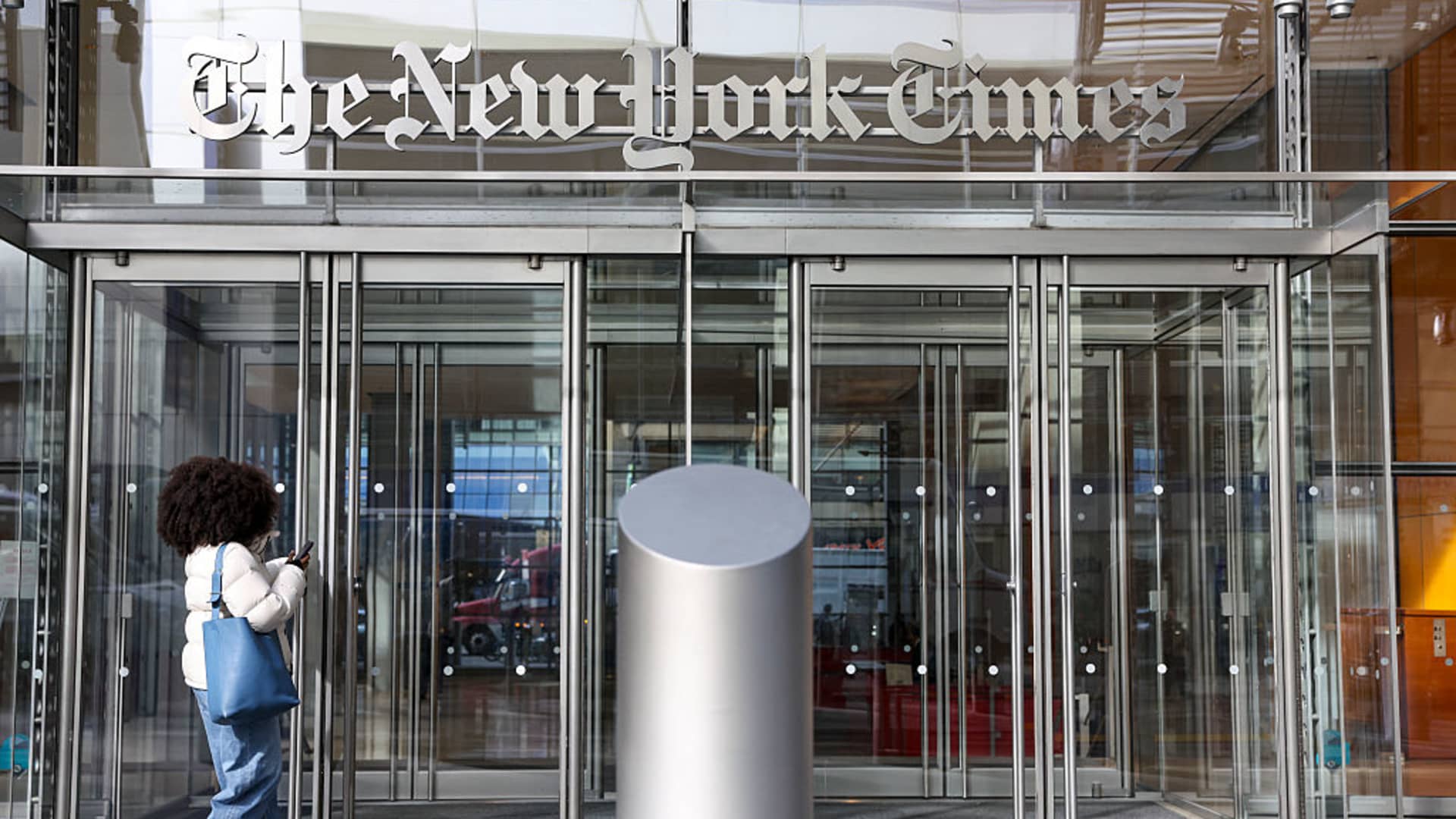
The Justice Department has withdrawn subpoenas targeting New York Times reporters in a dispute over an article about President Donald Trump’s new Air Force One jet, prosecutors told a federal judge in Manhattan on Thursday. The reversal came as U.S. District Judge Arun Subramanian was weighing the newspaper’s bid to block the DOJ subpoenas New York Times journalists faced.
The hearing in U.S. District Court for the Southern District of New York centered on subpoenas aimed at reporters who worked on the Times article, according to the newspaper’s account and statements made by prosecutors in court. The decision removes, at least for now, a legal demand that had put the Justice Department in conflict with one of the country’s largest news organizations.
The Times reported that the Justice Department told the newspaper late last week it had sent subpoenas to outside phone service providers seeking phone and text message records for several journalists. The newspaper also reported that the department had previously issued subpoenas on July 10 seeking to require Times reporters to testify before a federal grand jury.
Why did the DOJ withdraw subpoenas for New York Times reporters?
Prosecutors told Judge Subramanian at Thursday’s hearing that the Justice Department was withdrawing the subpoenas, while the court was considering the Times’ motion to quash them. The available record did not include a fuller explanation from the department for the withdrawal.
A motion to quash asks a court to void or limit a subpoena. In practice, such a motion gives a judge the opportunity to decide whether the demand is legally valid, overly broad or otherwise improper before the recipient must comply.
The subpoenas described by the Times involved two different categories of demands. One sought testimony from journalists before a federal grand jury, according to the newspaper. Another sought records from third-party phone providers, which would place the legal demand on the companies that hold the records rather than directly on the reporters.
Grand juries are used in federal criminal investigations to gather evidence and hear testimony. A subpoena is the legal instrument used to require a person or entity to provide testimony, documents or records, subject to court review when challenged.
What the court was considering
Judge Subramanian was considering the Times’ request to quash the subpoenas when prosecutors disclosed the withdrawal. The hearing took place in Manhattan federal court, where the newspaper had sought judicial intervention over demands aimed at its journalists.
The dispute arose from reporting related to Trump’s new Air Force One jet. The facts disclosed so far do not identify what specific information prosecutors were seeking from the journalists or the phone providers, beyond phone and text messaging records described by the Times.
The withdrawal narrows the immediate court fight, but it does not resolve broader questions about the Justice Department’s investigation or why reporters’ testimony and records were sought. No additional details about the status of the underlying probe were disclosed in the reported court account.
This story draws on original reporting from CNBC.


