ECB holds at 2.25% as traders price September increase
The European Central Bank kept rates steady, while Christine Lagarde warned that energy disruption could keep euro zone inflation above target.
By Amanda Ross · Deals Correspondent
· 3 min read
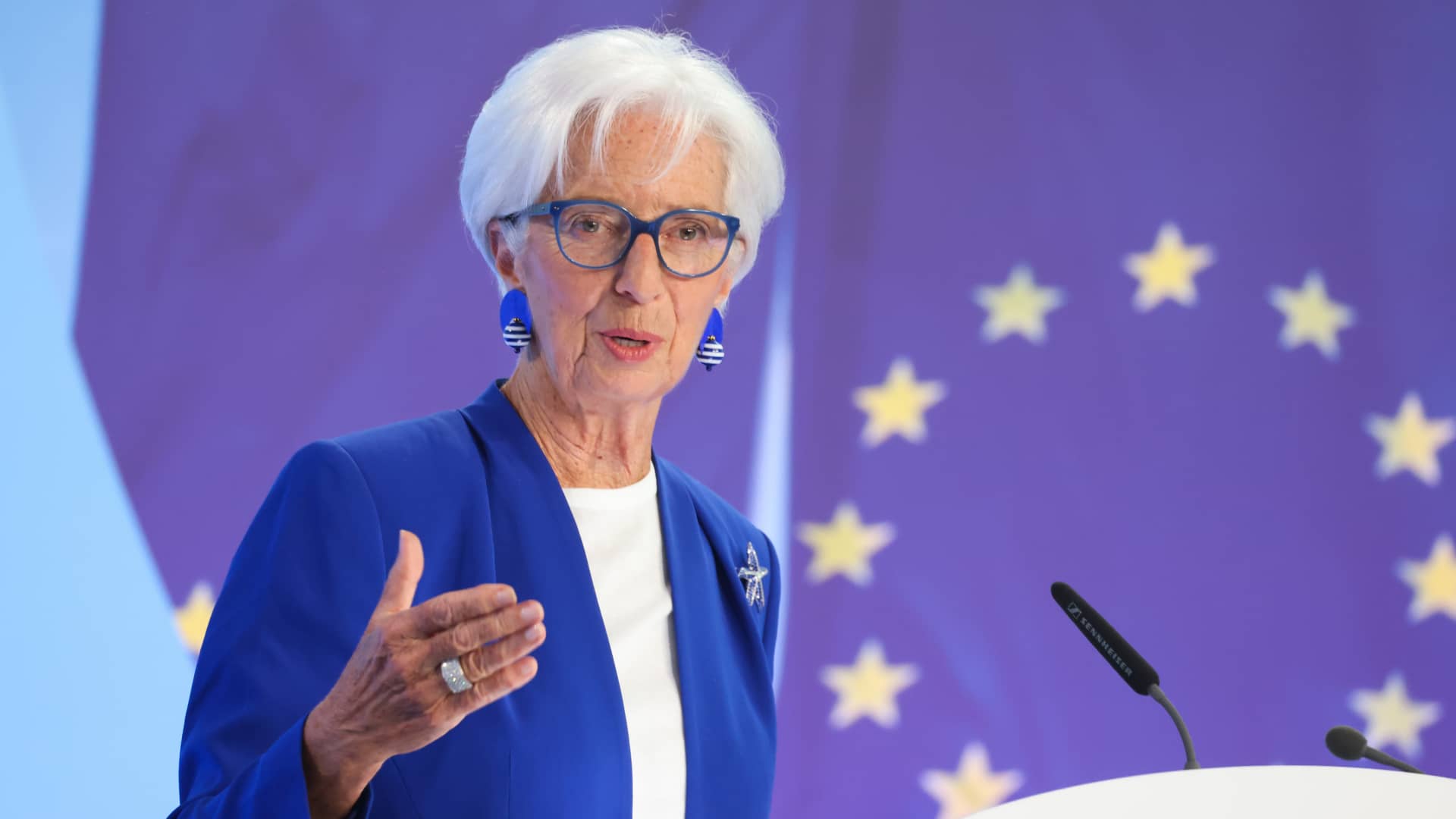
The European Central Bank left its main interest rate unchanged at 2.25% on Thursday, matching broad market expectations while keeping attention on the inflationary impact of higher energy costs. Traders are already looking to September for a possible increase after President Christine Lagarde said renewed conflict in the Middle East and the associated rise in oil prices could worsen the euro zone’s inflation outlook.
The decision pauses tightening after the ECB raised rates by a quarter point in June, its first increase since 2023, as the energy shock linked to the Iran war fed into price pressures across Europe. The central bank said it was prepared to adjust all of its interest rates as needed to bring inflation back toward its 2% medium-term goal.
Euro zone inflation slowed to 2.8% last month from 3.2% in May, according to the figures cited by the ECB. Lagarde said at a press conference after the decision that the central bank expects inflation to remain “well above target” until the first half of 2027.
Energy costs remain the policy risk
Lagarde identified energy supply disruption as the main upside risk facing policymakers. “Renewed disruption of energy supplies could increase energy prices further and for longer than expected,” she told reporters.
She said prolonged high energy costs could spread into the wider price system. “The longer energy prices stay high, the more likely they are to drive up broader inflation through indirect and second-round effects,” Lagarde said.
For central banks, higher energy prices can create a policy dilemma. Oil and gas costs lift headline inflation directly through fuel and utility bills, and can also raise production and transport costs for businesses. If those costs are passed through to wages and other prices, officials may conclude that tighter monetary policy is needed even if growth is under pressure.
The ECB’s statement that it can adjust all rates keeps open the possibility of future increases. Higher policy rates are designed to restrain demand by making credit more expensive and by influencing money-market rates, bond yields and bank lending conditions. The ECB’s challenge is to judge whether the energy shock will fade or become embedded in broader inflation.
Markets look to September
Ed Hutchings, head of developed market rates at Aviva Investors, said traders now expect a 0.25 percentage point rate rise in September. “Inflation expectations remain elevated and if sustained further, even tighter policy may well be needed,” Hutchings said.
Richard Carter, head of fixed interest research at Quilter Cheviot, said markets still expect the ECB to raise rates again later this year despite Thursday’s pause. “Despite its ability to hold rates today, the market still expects the ECB to be in a rate raising mood for the rest of the year,” Carter said.
Carter said the pace of any additional tightening would depend in large part on developments outside the euro area. He said that uncertainty was making the policy committee’s task more difficult as officials assess the consequences of events beyond the continent for European inflation and growth.
This story draws on original reporting from CNBC.