El Niño risk and European heat put commodity pricing under scrutiny
Strategists warn that climate volatility is moving through crops, metals and energy, with agriculture seen as the most exposed market.
By Marcus V. Thorne · Markets Editor
· 3 min read
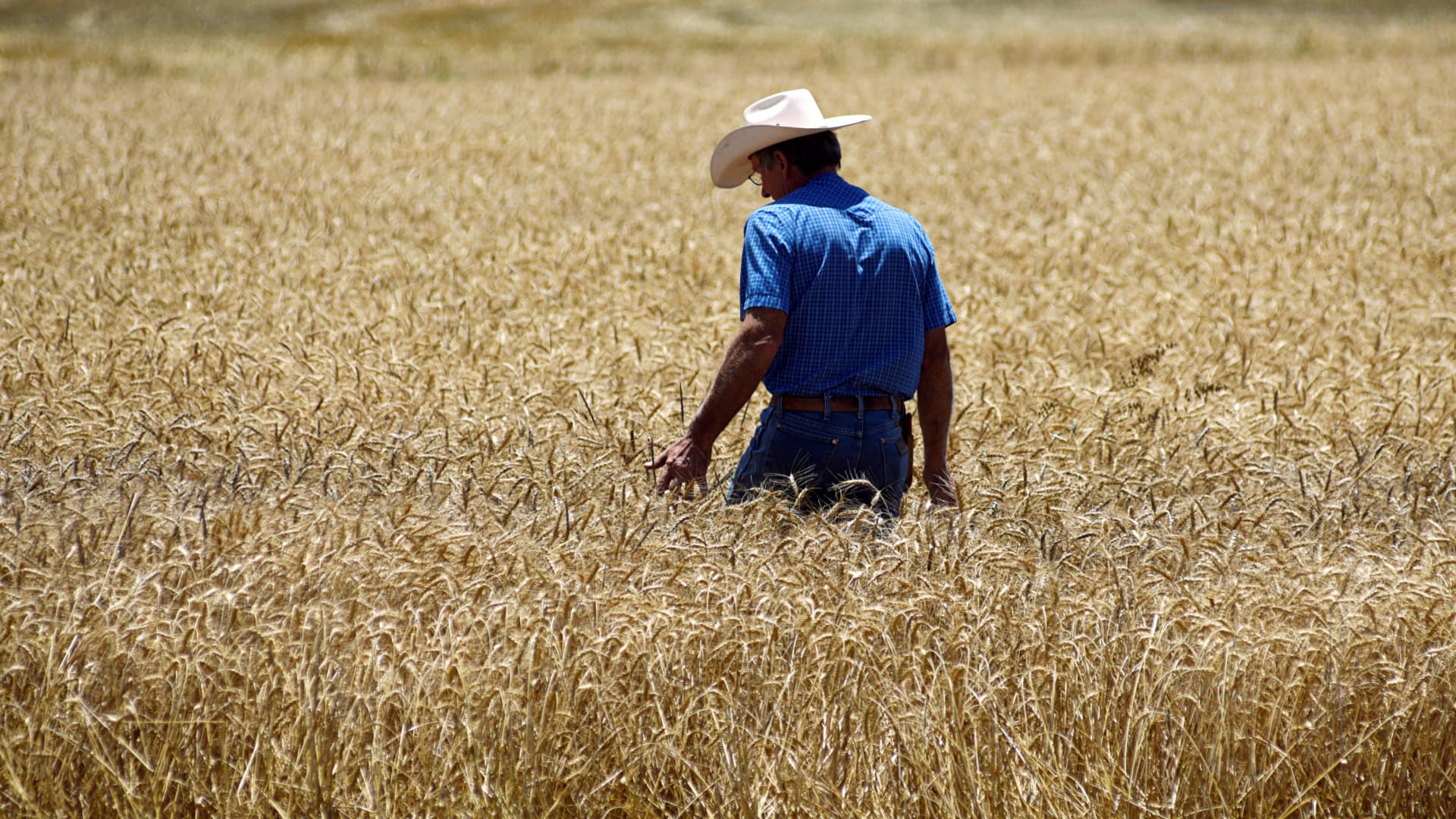
Commodity strategists say investors may be assigning too little weight to weather risk as Europe endures intense heat and forecasters monitor the prospect of a strong El Niño in the tropical Pacific. The immediate pressure is most visible in agriculture, where Societe Generale said agricultural commodity prices have climbed 7% this month and soft commodities including cocoa, coffee and wheat rose 8% over the past week.
The World Meteorological Organization expects a strong El Niño event between July and September. El Niño is a recurring climate pattern linked to warmer sea-surface temperatures in parts of the Pacific, and it can alter rainfall, temperature and storm patterns across major producing regions.
Those shifts can affect commodity markets through supply rather than demand. Heat can reduce crop yields during flowering or pollination, drought can limit water available for mines and power generation, and milder winter temperatures can reduce heating demand for natural gas.
Europe has already faced sustained high temperatures this summer. Parts of the U.K. recorded almost two weeks of temperatures above 30 degrees Celsius this month, while France has had three heatwaves this year and some Bastille Day events were cancelled because of extreme weather. South Korea issued its first “grave heat wave” warnings for Gyeongsan and Pohang after introducing a new alert system in June.
Dan Leonard, U.S. forecasting director at Metdesk, told CNBC’s “Morning Call” that a potential “super El Niño” could exceed the major events recorded in 1982, 1997 and 2015. He said the effect on commodities would vary by market, with some prices at risk of rising while natural gas could weaken if the northern hemisphere winter proves warmer than normal.
Agriculture bears the first shock
Man Group portfolio manager Albert Chu said in a note that crop yields in affected regions could fall by 5% to 12%, while rice yields could decline by 2% to 8% under warmer conditions. He said treating the current El Niño as an isolated event would leave investors exposed to a recurring underpricing of climate volatility in commodities.
The U.S. Department of Agriculture reported that food prices were 3.1% higher year on year in May. Man Group said a stronger El Niño could add to food-price pressure, with food inflation potentially reaching double digits by 2027.
Bank of America analysts said Europe is heating faster than any other continent, and described heat stress as becoming more structural than cyclical. In a note led by commodity strategist Daryna Kovalska, the bank identified coffee, cocoa, corn and wheat as especially exposed because short periods of extreme heat can damage crops at development stages including flowering, pollination, and grain or pod filling.
Bank of America said corn is significantly undervalued and cited several weather risks: higher heat stress in Europe, possible El Niño disruption in Brazil, and hotter, drier weather during the U.S. corn-pollination window. The bank expects new-crop corn prices to rise by nearly $1 a bushel from about $4.70 to a range of $5.50 to $6.00. It also said sugar output from Brazil and Thailand could fall 10% in 2026-27 because of El Niño-related effects.
Metals and energy face different channels
Extreme weather is also filtering into metals, according to Chu. Copper production uses large volumes of water, so drought or heat can restrict supply. Aluminum production depends heavily on electricity, which Chu said accounts for 30% to 40% of production costs, leaving smelters exposed when hydropower or other low-cost generation is under strain.
Chu said competition for water and power is likely to intensify as cooling demand, food production and artificial-intelligence-related energy use draw on the same constrained resources. Across markets, strategists described a fragmented impact: crop and some metals prices may face supply support, while warmer winters could weigh on natural gas demand.
This story draws on original reporting from CNBC.


