Fed rate hike odds climb as Brent crude reaches $100
Markets now price an 82% chance of a September increase as oil and gasoline costs rise, while stocks and short-term yields weaken.
By Amanda Ross · Deals Correspondent
· 3 min read
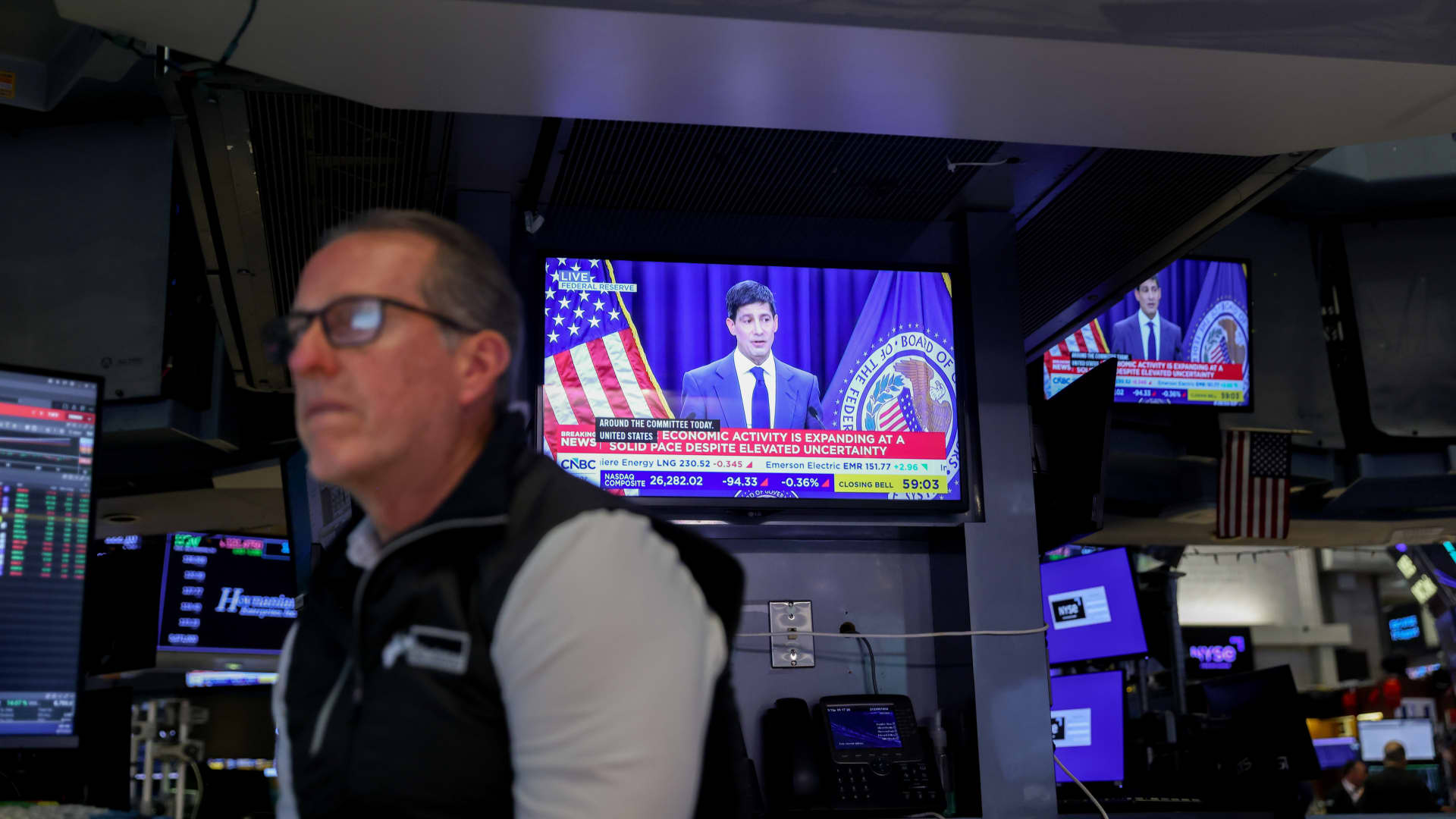
Fed rate hike odds rose sharply on Thursday as oil prices climbed and labor-market data gave investors less reason to expect the central bank to prioritize growth risks. CME’s FedWatch tool showed fed funds futures pricing an approximately 82% probability that the Federal Reserve raises borrowing costs at its September meeting, up from less than 53% a week earlier.
Markets still largely expect the Fed to leave its benchmark rate unchanged at 3.50% to 3.75% at next week’s policy meeting. Even so, futures trading put the chance of a quarter-point increase at that gathering near 38%, compared with less than 12% a week ago, according to CME’s FedWatch tool.
Why are Fed rate hike odds rising?
The move in rate expectations followed a renewed rise in energy prices. Brent crude, the global oil benchmark, touched $100 a barrel on Thursday for the first time since late May as fighting between the U.S. and Iran escalated through another round of retaliatory attacks.
Higher oil prices can feed into inflation through gasoline, diesel, transport and production costs. AAA said the average U.S. gasoline price reached $4 a gallon this week, the highest level in more than a month.
Weekly labor-market figures added to the case that the Fed may have room to focus on inflation rather than employment. Initial claims for unemployment benefits fell to 187,000 in the week ended July 18, the Labor Department reported. That was the lowest weekly total since 1969, when the U.S. population was far smaller than it is now.
Christopher S. Rupkey, chief economist at FWDBONDS, said the jobless claims data suggested the economy was showing signs of overheating, while warning that the duration of that strength could depend on the path of energy prices.
How do futures markets show rate expectations?
Fed funds futures are contracts tied to the expected level of the central bank’s policy rate. Traders use them to hedge or speculate on Federal Reserve decisions, and tools such as CME FedWatch convert those prices into implied probabilities for future meetings.
Prediction market Kalshi also showed a shift toward a September move. Traders on the platform assigned a 48% probability to a quarter-point increase at the September meeting at midday Thursday, up from about 30% a week earlier.
Short-term Treasury yields reflected the repricing. The 2-year U.S. Treasury yield rose more than 6 basis points on Thursday to about 4.355% in early afternoon trading. Ross Mayfield, investment strategist at Baird, said the 2-year yield gives investors a read on what the Fed may do next. He said next week did not appear to require concern over a rate move, while September looked like a meeting at which policy could change.
Equity markets weakened as investors weighed higher rates, more expensive energy and company-specific earnings pressure. CNBC market data showed the Dow Jones Industrial Average down more than 600 points in midday trading, while the Nasdaq Composite fell nearly 3%.
Larry Tentarelli, chief technical strategist at the Blue Chip Daily Trend Report, said rising expectations for a Fed increase may be contributing to pressure on stocks, alongside the move in oil prices, Treasury yields and a decline in Alphabet shares after earnings.
Economists have not yet broadly shifted toward a tighter policy outlook. FactSet said the consensus forecast remains that the Fed will not raise rates this year, while economists expect the central bank to cut borrowing costs by half a percentage point in 2027.
This story draws on original reporting from CNBC.


