Fed sought access to Anthropic AI model after bank cyber warning
The Federal Reserve lacked access for at least three months to Anthropic’s Claude Mythos Preview after warning major banks about cyber risks, CNBC reported.
By Marcus V. Thorne · Markets Editor
· 4 min read
The Federal Reserve went at least three months without access to Anthropic’s Claude Mythos Preview, an advanced artificial intelligence model it had warned could create serious cybersecurity risks for major banks, CNBC reported. The gap left the U.S. central bank seeking tools that other institutions were already using to identify and repair software weaknesses.
CNBC reported that the Fed and the Treasury Department convened an unusual April meeting with chief executives of the largest U.S. banks to discuss risks tied to the model. The meeting was held under then-Fed Chair Jerome Powell, alongside Treasury Secretary Scott Bessent, according to CNBC.
Anthropic has described Claude Mythos Preview as a model with strong capabilities for finding flaws and vulnerabilities in software. The company made the system available to a limited group of banks and other organizations through Project Glasswing, a cybersecurity initiative intended to help participants test and strengthen their systems.
Access matters because a model designed to find weaknesses can also be used to audit defenses. Institutions with access can run the model against code, infrastructure or security processes to identify gaps, then patch those exposures before adversaries exploit them. CNBC reported that it was unclear whether the Fed could begin equivalent work without access to Mythos.
The Fed was still trying to obtain access as of July 15, CNBC reported. The central bank declined to comment to CNBC, and Anthropic did not immediately respond to the network’s request for comment. CNBC said it was not clear whether the Fed had since gained access.
Warsh pressed for broader AI access
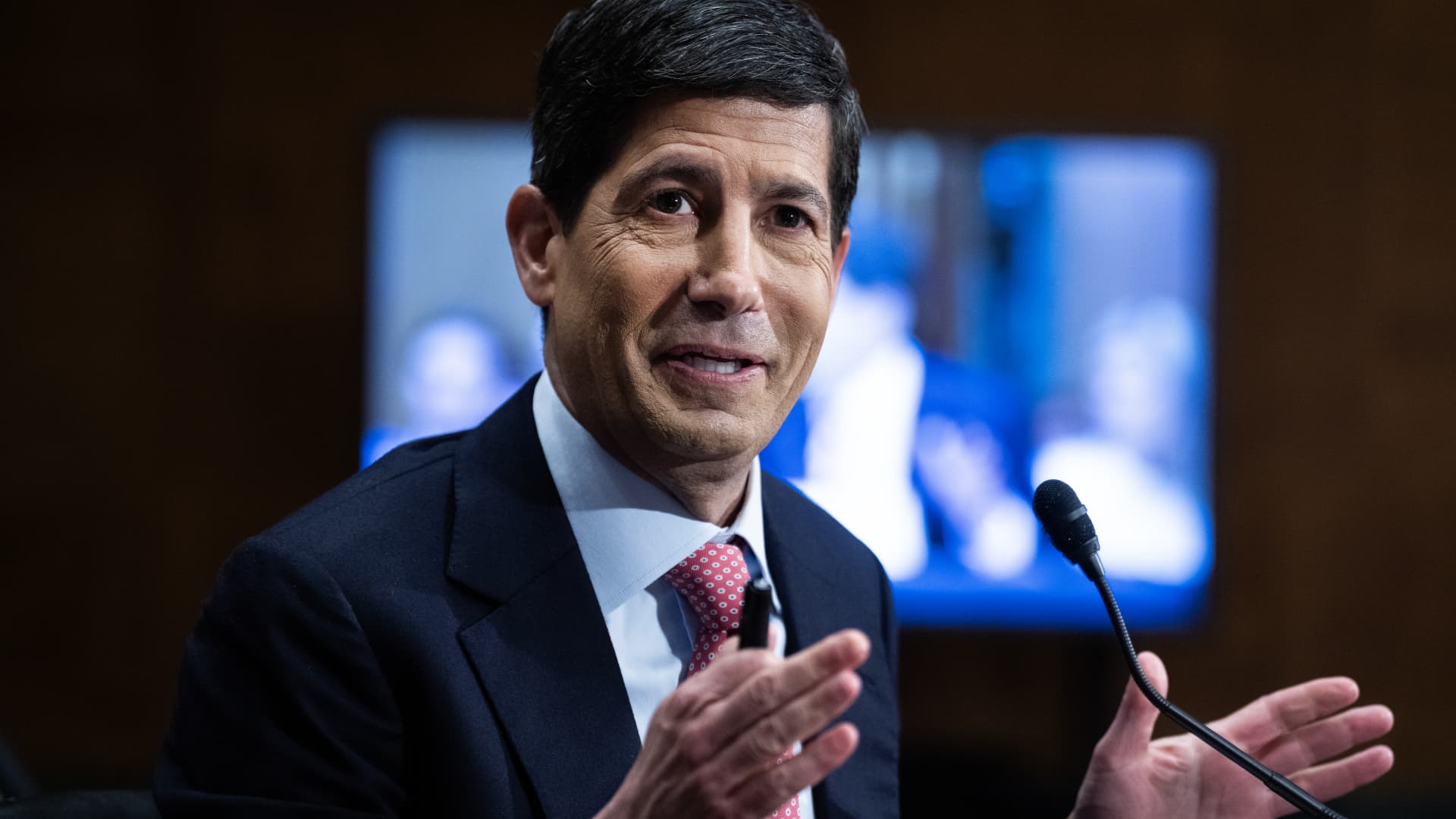
Fed Chair Kevin Warsh addressed the issue in Senate testimony last week, telling Sen. Jack Reed, Democrat of Rhode Island, that the central bank was seeking access to Mythos and other advanced AI systems.
“We are not the deciders as to who has access, but I have not been shy in sharing my views with authorities across the government about the vulnerabilities, and have been asking for access not just for the Federal Reserve but for other institutions to a whole range of these new artificial intelligence models so that they can protect themselves,” Warsh said, according to CNBC.
Warsh added that the concern was not limited to one Anthropic product. “I wouldn’t want to just isolate Mythos, though,” he said. “As these new models find their way more broadly, our banking system and frankly, the Federal Reserve needs to do all we can to patch any vulnerabilities that we have.”
Anthropic announced Claude Mythos Preview and Project Glasswing in early April. The company said about 50 organizations initially had access, naming JPMorgan Chase as well as Amazon, Apple and Google among participants, according to CNBC. Anthropic also said it had held continuing discussions with U.S. government officials, including the Cybersecurity and Infrastructure Security Agency and the Center for AI Standards and Innovation.
In June, Anthropic expanded Project Glasswing to more than 150 organizations across 15 countries, CNBC reported. Daniel Newman, chief executive of research firm the Futurum Group, told CNBC he was surprised the Fed was not included, given its central role in financial regulation and policy.
Export controls added to confusion
The rollout became more complicated in June when Anthropic said it had disabled access to Mythos 5, an updated model, and Fable 5, a more broadly released version, to comply with a federal export-control directive citing national security authorities, CNBC reported. Commerce Secretary Howard Lutnick later permitted access for selected “trusted partners,” according to a letter viewed by CNBC, before the controls were lifted entirely.
The episode comes as the Trump administration takes a more active role in AI regulation following a June executive order, CNBC reported. The network also reported that Chris Fall resigned as head of the Center for AI Standards and Innovation three months after being selected for the role, while venture capitalist David Sacks stepped down in March as White House AI and crypto czar.
CNBC reported that U.S. officials and technology executives are also watching competition from Chinese open-weight AI models. Sacks wrote on X that the performance of Moonshot AI’s Kimi K3 model was “concerning” and said, “America is tying itself in knots.”
Newman told CNBC that the Fed would have to “play catch up” if it lacked access to cutting-edge models that other agencies and institutions were using. He said large institutions face a continuing flow of innovation from both Chinese and U.S. developers.
This story draws on original reporting from CNBC.