Food consolidation may widen cyclospora outbreak risks, experts say
Food safety specialists say centralized produce networks may be helping a cyclospora outbreak spread farther through U.S. supply chains.
By Sarah Jenkins · Chief Macro Economics Correspondent
· 3 min read
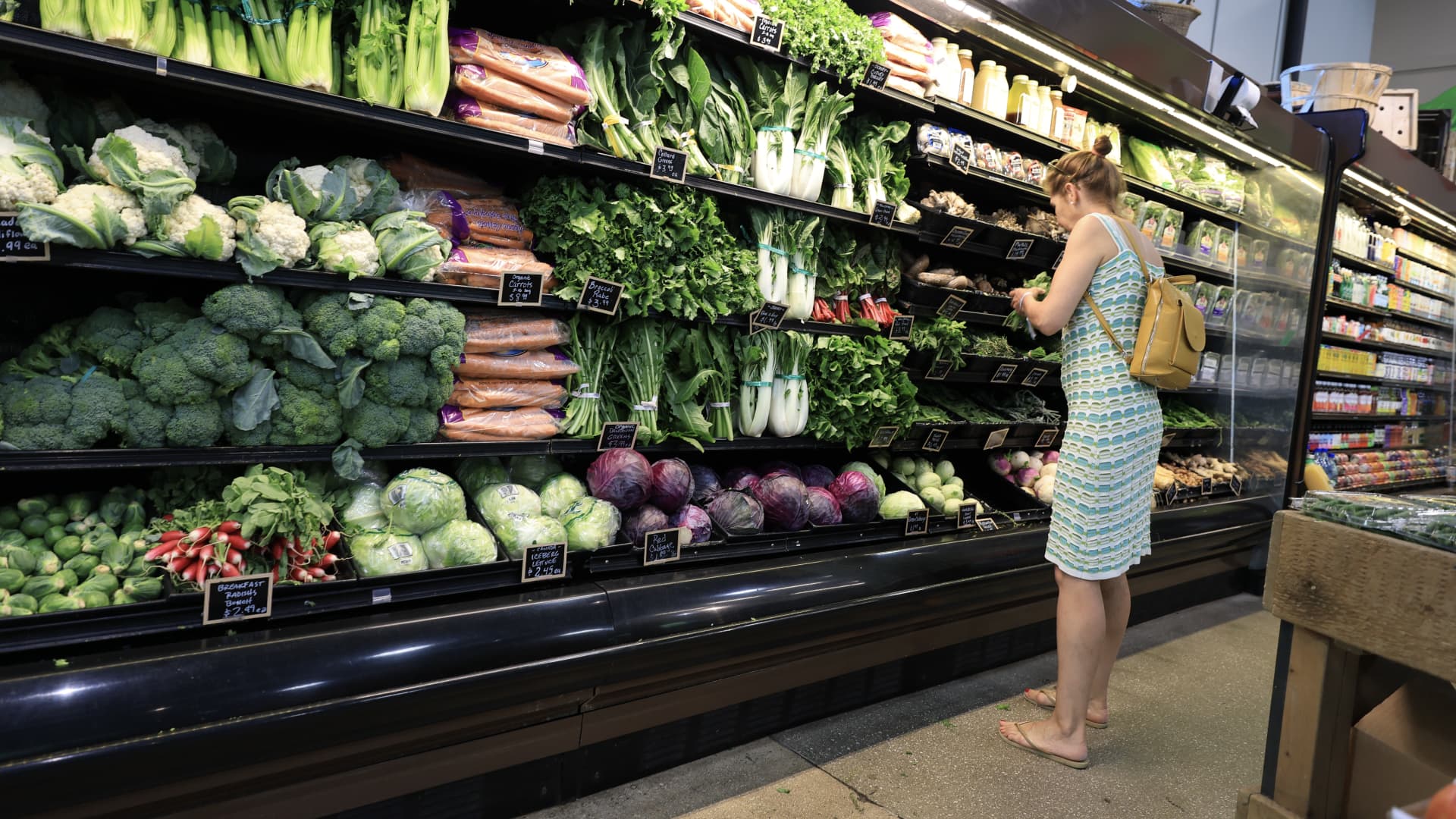
Food consolidation may be amplifying cyclospora outbreak risks in the U.S., food safety experts say, as investigators examine how contaminated fresh produce moved through national supply chains. The outbreak has sickened thousands, and the operational concern for restaurants, distributors and regulators is that centralized sourcing can turn a local contamination event into a multistate recall.
Federal investigators are still working to identify the original point of contamination. The Food and Drug Administration’s investigation of cyclosporiasis has focused on shredded iceberg lettuce distributed through Taylor Farms’ foodservice business, an ingredient that reached Taco Bell restaurants and other foodservice customers in multiple states.
Dr. David Relman, a Stanford University professor of microbiology and immunology, said changes in sourcing and distribution have likely played some role in the outbreak’s reach. He said consolidation can pool produce from many locations and then send it back out through broad distribution networks, widening the consequences of a contamination problem.
Experts also pointed to other factors. The cyclospora parasite has a long incubation period, which can make cases harder to connect quickly, and traceback work is difficult once ingredients have been mixed, processed and shipped widely. Some specialists have also criticized the federal response as uneven.
How could food consolidation widen a cyclospora outbreak?
Consolidation can widen an outbreak when produce from multiple farms or lots is combined during processing, then distributed through a smaller number of large networks. A single contaminated input can therefore appear in many finished products and reach customers across several states before investigators identify the source.
Relman cited bagged lettuce as an example: a chopped product can include many heads of lettuce, unlike a single intact head sold closer to its point of origin. Marion Nestle, professor emerita of nutrition, food studies and public health at New York University, said larger suppliers create more opportunities for contamination to have broad consequences once something goes wrong.
Which food companies show the scale of consolidation?
The U.S. Department of Agriculture has documented a long-running consolidation trend across agriculture and food distribution as companies pursue efficiency and national reach. Taylor Farms, the salad producer under scrutiny in the current investigation, expanded through acquisitions including Earthbound Farm in 2019, Curation Foods in 2021 and Equinox Growers in March, according to company announcements.
Restaurant supply has also become more concentrated. Sysco, US Foods and Performance Food Group serve large numbers of restaurants and institutional kitchens nationwide. Regulators blocked Sysco’s proposed $8.2 billion takeover of US Foods in 2015 on antitrust grounds, but both companies later added regional distributors and produce processors through smaller deals.
Sysco acquired Paragon Foods in Pennsylvania, The Coastal Companies in the Mid-Atlantic and Greco and Sons, a specialty distributor with 10 distribution centers, according to company releases. US Foods acquired Freshway Foods, a fruit and vegetable processor, repacker and distributor serving the eastern half of the U.S., in 2016.
Do larger suppliers have better food safety systems?
Timothy Lytton, a health and safety regulation expert at Georgia State University, cautioned that scale does not automatically mean weaker food safety. Larger growers and processors may have more money to spend on testing, traceability, audits and quality control, he said.
Lytton also cited studies of California farmers markets that found E. coli contamination in produce grown by small farmers. Smaller organic or mixed farming models can involve animals near crops, which can create food safety risks, he said.
Even so, Lytton acknowledged that contamination inside large handler networks can produce broader and harder-to-manage recalls. In a statement to CNBC, the International Foodservice Distribution Association said distributors keep detailed records on the source, internal movement and recipients of products they handle, and said they have provided traceback information to the FDA within 24 to 48 hours during outbreak investigations.
This story draws on original reporting from CNBC.


