Galderma sees GLP-1 weight-loss drugs lifting aesthetics demand
CEO Flemming Ørnskov told CNBC that rising use of GLP-1 drugs is starting to support growth in Galderma’s aesthetics portfolio.
By Sarah Jenkins · Chief Macro Economics Correspondent
· 2 min read
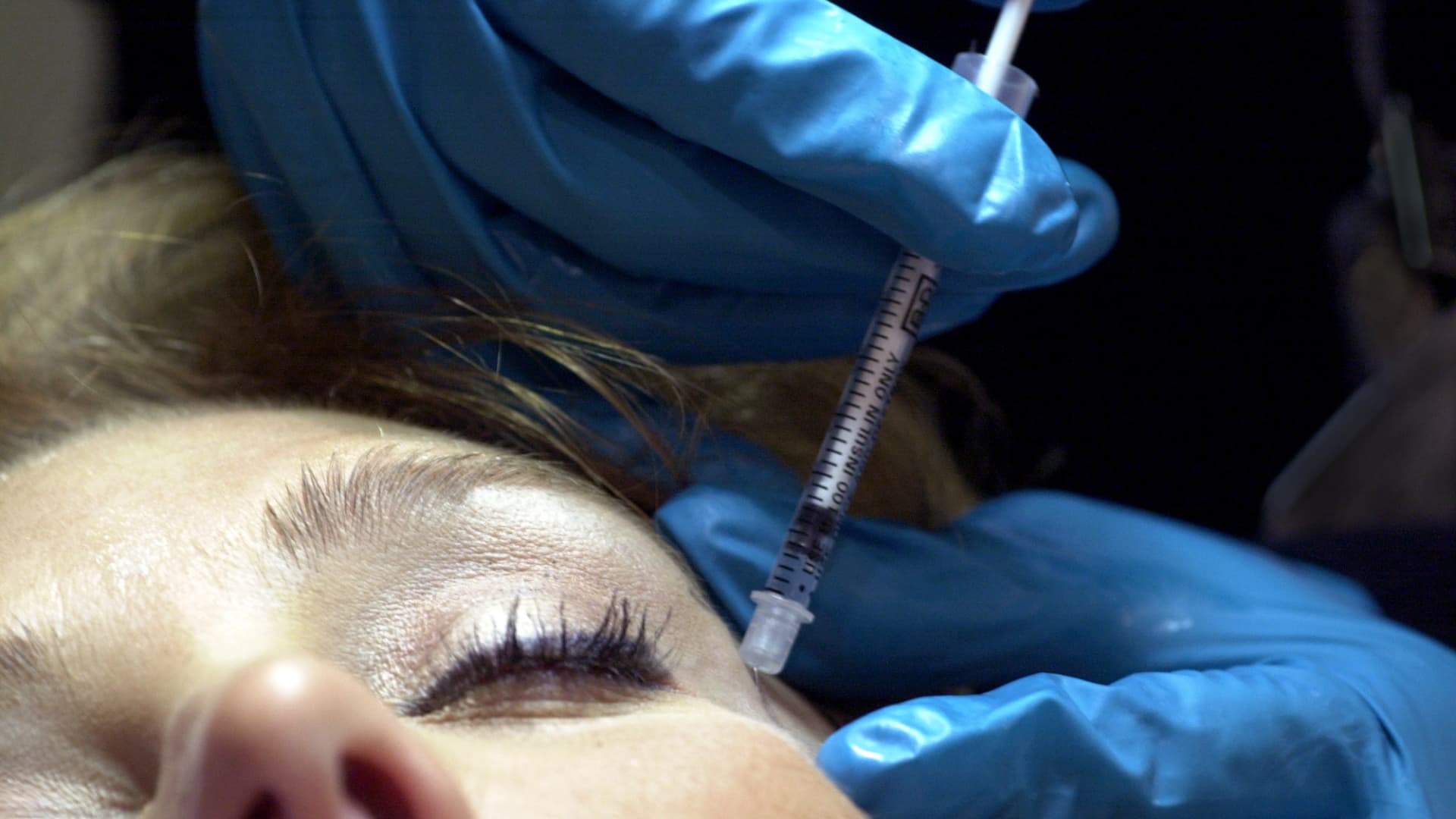
Galderma said the spread of GLP-1 weight-loss drugs is beginning to support demand for its aesthetics treatments, as some patients seek procedures aimed at addressing facial changes after significant weight loss. The Swiss-listed company reported nearly 25% year-on-year sales growth at constant currencies, with U.S. growth of 32% outpacing 19% growth in the rest of the world, according to the company’s first-half 2026 performance release.
Chief Executive Flemming Ørnskov told CNBC on Thursday that higher use of GLP-1 medicines such as Ozempic, Wegovy and Zepbound, especially in the United States, is feeding into the company’s aesthetics business. Galderma sells botulinum toxin products, facial fillers and collagen stimulators.
“It’s a significant opportunity for us, but it’s still early days,” Ørnskov said on CNBC’s “Europe Early Edition.”
Weight-loss drugs create a new aesthetics use case
GLP-1 drugs have become a fast-growing category in obesity treatment. About one in 10 U.S. adults report using GLP-1 medicines for weight loss, according to Gallup data cited by CNBC. The expanding patient base has drawn attention from companies that sell cosmetic treatments used to address facial volume loss, a condition sometimes referred to in consumer discussion as “Ozempic face.”
Ørnskov said Galderma had demonstrated that a combination of two of its products, a filler and Scuptra, could help mitigate facial sagging associated with substantial weight loss. Fillers are used to add volume in targeted areas, while collagen stimulators are intended to support the skin’s structure over time.
The commercial mechanism is direct: as more patients lose weight rapidly or materially with GLP-1 medicines, some may seek treatments for related changes in facial appearance. For Galderma, that could increase demand across parts of its aesthetics portfolio, though Ørnskov framed the trend as still developing rather than mature.
U.S. growth leads the portfolio
The United States is the largest market for GLP-1 drugs by far, CNBC reported. Galderma’s results show a stronger growth rate there than in other regions, with U.S. sales rising 32% at constant currencies compared with 19% in the rest of the world, according to the company release.
The company’s near-25% constant-currency sales increase came as investors continue to assess which businesses, beyond drugmakers themselves, may benefit from wider GLP-1 adoption. Galderma’s comments place medical aesthetics among the adjacent markets watching the category’s growth.
Galderma shares were little changed in mid-morning trading, CNBC reported.
This story draws on original reporting from CNBC.


