Generic drug tariffs would raise U.S. prices, Dr. Reddy’s CEO says
Dr. Reddy’s CEO told CNBC that proposed U.S. tariffs on generic drugs could raise patient costs and take years to offset with local production.
By Sarah Jenkins · Chief Macro Economics Correspondent
· 3 min read
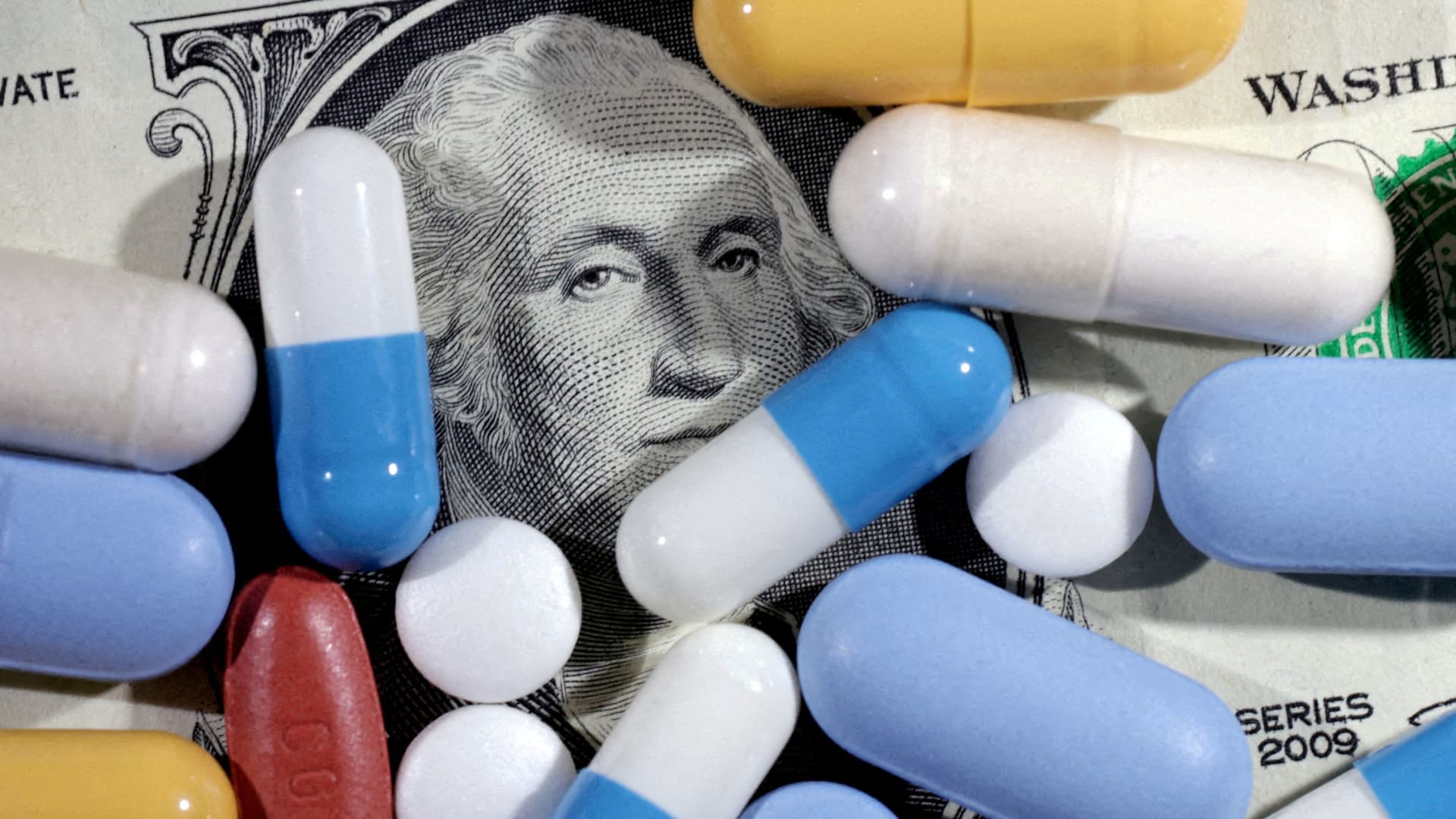
Generic drug tariffs proposed by U.S. President Donald Trump would push up prices for American patients because manufacturers cannot absorb levies of that size, Dr. Reddy’s Laboratories Chief Executive Erez Israeli told CNBC. The warning matters for a U.S. medicines market where generic drugs account for more than 90% of prescriptions, according to CNBC.
Trump said Tuesday that generic medicines imported into the U.S. would face no tariffs for two years beginning Aug. 1, CNBC reported. A 100% tariff would then apply from August 2028, followed by a 200% levy a year later.
The policy is intended to encourage production of generic medicines inside the United States. Israeli told CNBC’s “Inside India” on Thursday that the transition would take far longer than the two-year tariff-free period, estimating that moving operations to the U.S. could require four to seven years.
Why would generic drug tariffs raise prices?
Generic drugs are medicines sold after patent protection on branded products has expired, typically at lower prices because multiple manufacturers can compete. Israeli said the business operates on thin margins, which means tariffs would be passed through to prices rather than absorbed by companies.
Israeli told CNBC that prices would increase broadly in line with the size of the tariff. He said manufacturing in India by Dr. Reddy’s and other companies had helped lower medicine costs for the United States.
Indian drugmakers are central to U.S. supply. Companies based in India provide nearly half of generic drug supplies to the U.S., according to data shared by the Indian Pharmaceutical Alliance, a lobby group cited by CNBC.
Industry representatives have also argued that proposed tariff rates of 100% to 200% would be too large for generic drug companies to bear. Namit Joshi, chair of the Pharmaceuticals Export Promotion Council of India, told ANI on Wednesday that the industry is operating on very thin margins.
Can production move to the United States?
Israeli said relocating manufacturing of low-margin generic products to the U.S. would be difficult because production costs are higher than in India. He told CNBC that tariffs were unlikely to cause generic drugmakers to shift production quickly to the United States.
Nomura reached a similar conclusion in a Wednesday report cited by CNBC, saying Indian companies were unlikely to move generic manufacturing to the U.S. because of low economic viability. The brokerage also said the tariffs could allow manufacturers to raise prices and improve profits.
Dr. Reddy’s own exposure to the U.S. generic drug market has declined, according to Israeli. He told CNBC that U.S. generic drug sales now account for 27% of the company’s total sales, down from 50% a few years ago, and that the share would fall below 25% this year as other segments grow more quickly.
The comments add to the debate over whether tariffs can rebuild domestic pharmaceutical supply chains without increasing drug costs. For policymakers, the issue is a trade-off between production location and price sensitivity in a market where generics make up most prescriptions but are sold at relatively low margins.
This story draws on original reporting from CNBC.