GM $4.5 billion parts deal aims to protect critical supply
GM has arranged up to $4.5 billion in supplier prepayments, using bank funding to secure selected parts through July 2029.
By Sarah Jenkins · Chief Macro Economics Correspondent
· 3 min read
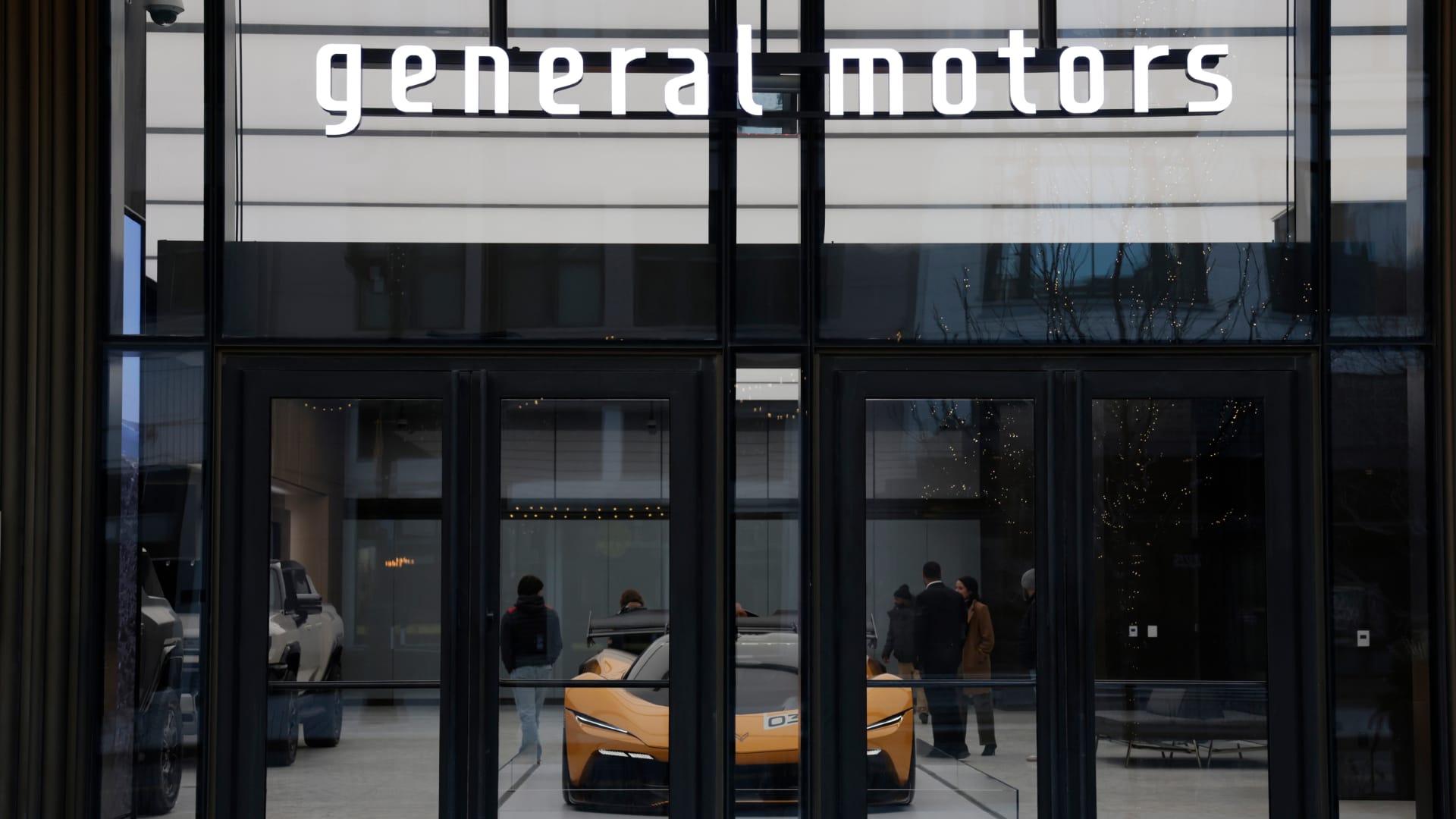
General Motors has put in place an up-to-$4.5 billion purchasing facility intended to secure selected vehicle components and limit the risk of supply interruptions. The GM $4.5 billion parts deal uses third-party financing to pay suppliers earlier while GM repays after the inventory is used in production, according to CNBC's report on the company filing.
The arrangement involves Procura Auto Parts, a company CNBC described as a specialist in sourcing scarce or critical components, and a bank group led by JPMorgan Chase and Banco Santander. GM established the facility with Procura and the lenders on the preceding Friday, CNBC reported. The Wall Street Journal separately reported that GM had created a $4.5 billion programme to maintain flows of critical components during supply-chain disruption.
How does GM's parts purchasing facility work?
Under the reported structure, the banks provide funding to Procura, which prepays selected GM suppliers. GM then provides irrevocable payment undertakings, formal commitments to reimburse Procura after the relevant parts have been consumed in manufacturing. The final repayment date stated in the arrangement is July 31, 2029, CNBC reported.
The structure gives suppliers payment before GM itself takes on the cost of the inventory. GM is to pay interest, a negotiated premium on funds used and a customary annual charge on unused capacity, according to CNBC's account of the filing. Such a facility is designed to make future supply more secure without requiring GM to fund the inventory at the point a supplier is paid.
The reported accounting treatment does not mean the costs disappear. CNBC said supplier prepayments will be recorded as an asset, while each subsequent purchase is treated as unsecured debt. Cash flows will be presented as though GM had paid suppliers directly. Payments are excluded from adjusted automotive free cash flow until GM purchases the inventory, and GM generally books that capital within 90 days of the purchase, CNBC reported.
Which parts will GM secure under the deal?
GM did not identify the components covered by the facility, CNBC reported. Semiconductor chips, rare earth materials and wire harnesses have all caused wider automotive-industry shortages, but GM has not said they are targets of this programme.
The financing arrangement addresses the availability and funding of selected inventory. It sits alongside a separate, longer-running effort to reduce GM's exposure to China-linked sourcing for vehicles built in North America. Reuters reported in November 2025, citing four people familiar with the matter, that GM had asked several thousand suppliers to find alternatives to China and had set a 2027 deadline for some to end China sourcing. GM declined to comment to Reuters on its supplier discussions.
Reuters said GM preferred North American supply for North American-built vehicles, while remaining open to supply lines outside China. The news agency also reported that replacing Chinese sourcing can be costly and complex because of China's role in areas including lighting, electronics and tool-and-die manufacturing. GM chief executive Mary Barra said on an October earnings call that the company seeks, where possible, to obtain parts in the countries where it builds vehicles, Reuters reported.
This story draws on original reporting from CNBC.