Healey takes UK Treasury as Burnham tests gilt market tolerance
John Healey’s appointment puts fiscal rules, energy-bill relief and defense funding at the centre of UK market scrutiny.
By Sarah Jenkins · Chief Macro Economics Correspondent
· 4 min read
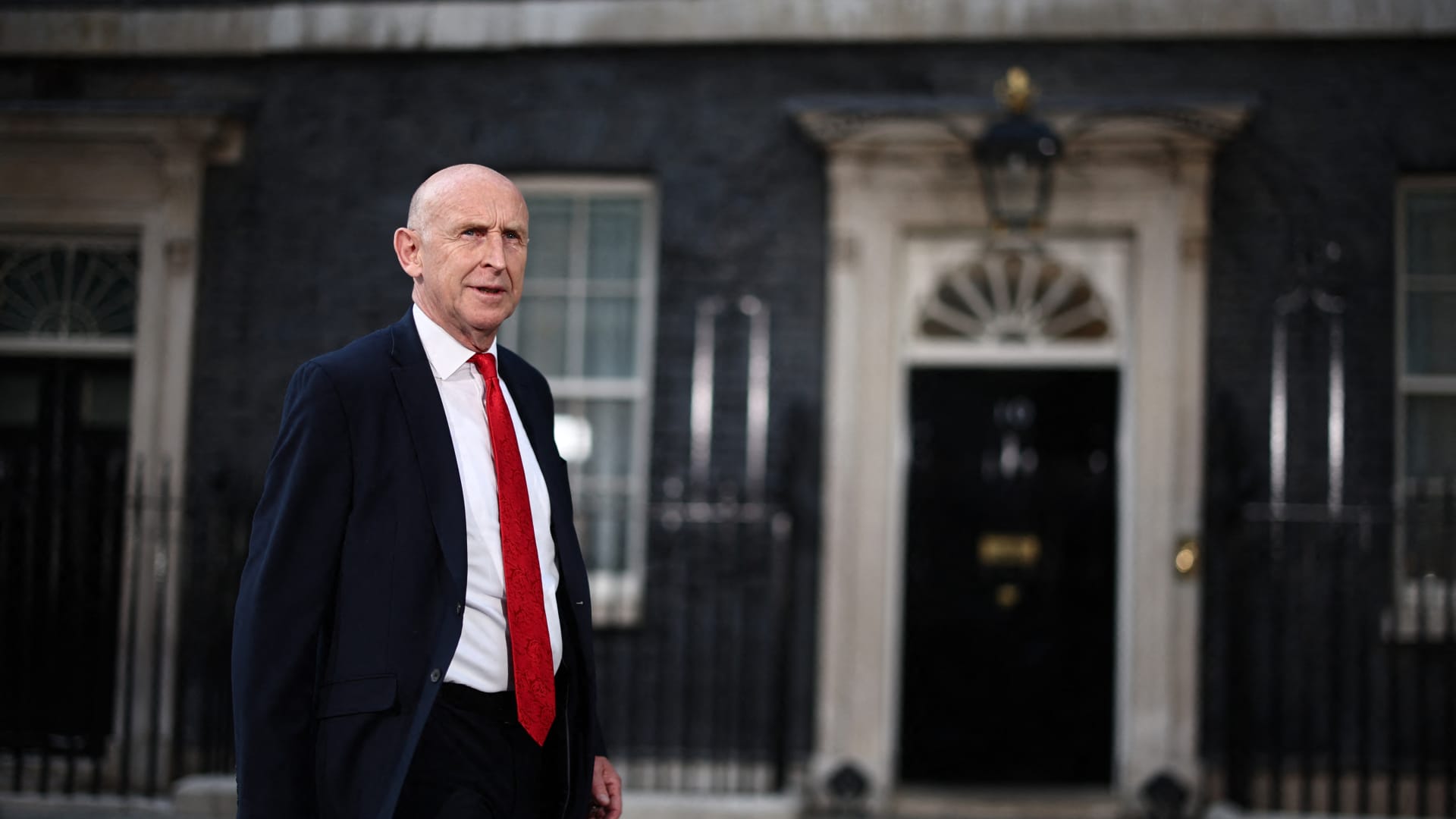
John Healey has been appointed U.K. finance minister after Andy Burnham became the country’s seventh prime minister in a decade, putting fiscal policy and gilt-market confidence at the centre of the new government’s first test. U.K. government bond yields fell across maturities on Tuesday morning, according to CNBC, a sign investors initially took some reassurance from Burnham’s cabinet appointments.
Downing Street said Monday that Healey, who previously served as defence secretary, would become Chancellor of the Exchequer. His role now combines the political challenge of funding Burnham’s early pledges with the market constraint imposed by a public debt burden that investors are watching closely.
Burnham’s economic programme remains only partly defined. He has promised action on social care, faster public housebuilding and help for households facing elevated living costs, while also describing himself as a pro-business prime minister.
The first fiscal measure came Tuesday, when Burnham and Healey said the government would cut sales tax on household electricity bills to zero from 5% in October. They said the policy would cost £850 million in 2026-27 and be paid for by cancelling Starmer’s Digital ID programme, which they said was expected to cost £1.8 billion over three years.
“For too long, too many people have struggled with the cost of living,” Healey said in a statement. “Today’s energy tax cut will give families some breathing room on bills, and provide some reassurance this winter.”
Fiscal rules face an early market test
Former Chancellor Rachel Reeves had put emphasis on the government’s fiscal rules, which are intended to limit borrowing and spending. In one of her final speeches, Reeves pointed to lower public borrowing and stronger growth. Official data cited by CNBC showed public sector net borrowing fell by one-third year on year in June, helped by higher tax receipts and slightly lower expenditure. Borrowing for the financial year to June was still the 10th highest April-to-June period since records began in the early 1990s.
Markets had been unsettled as pressure built on former Prime Minister Keir Starmer and Burnham, widely viewed as to the left of Starmer, became the leading candidate to replace him. Over the past month, CNBC reported that the 10-year gilt yield rose about 19 basis points and the 30-year yield gained about 21 basis points, with volatile trading between those moves. Bond prices fall when yields rise, so higher yields increase the government’s cost of issuing new debt and can feed through to private borrowing costs.
George Godber, who manages the £781 million Polar Capital UK Value Opportunities Fund, told CNBC’s “Squawk Box Europe” that a large part of recent gilt moves could be linked to Burnham. He said gilts had moved 50 basis points in a month and argued that higher borrowing costs would reduce the benefit of lower utility bills for households with mortgages.
Godber said he viewed Burnham as likely to be to the left of Starmer, with “higher tax, lower growth” implications for rate-sensitive sectors. He added that the gilt market would limit any unfunded spending plans, pointing to an intraday bond-market reaction after Burnham said the government would be flexible on fiscal rules.
Business costs and defence funding
Kate Shoesmith, director of policy and insights at the British Chambers of Commerce, told CNBC that the “cost stack” from successive policy decisions had risen 72% for the average small and medium-sized U.K. business. She urged the new government to review measures affecting labour costs, including whether a National Insurance holiday could support hiring of workers under 25.
Healey’s appointment also sharpens attention on defence spending. He resigned as Starmer’s defence minister weeks earlier, saying the government was unwilling to provide the resources needed to defend the country. Starmer had previously pledged a sharp increase in defence spending before NATO raised its military spending targets.
Gareth Davies, the opposition Conservative party’s shadow minister for business and trade, told CNBC that the Autumn Budget would need to find almost £5 billion for defence spending, citing what he called a £4.7 billion hole in the defence investment plan left by Reeves. Citi analyst Charles J. Armitage wrote Monday that Healey was likely to be viewed positively by markets for defence stocks, while adding that his ability to allocate money to defence would depend on competing spending demands.
J.P. Morgan Chief Executive Jamie Dimon also entered the debate in an interview with CNBC’s Wilfred Frost. Dimon said he wanted Burnham to succeed and praised Reeves, while saying the new chancellor would need policies that support economic growth.
This story draws on original reporting from CNBC.