Healthcare students use betting platforms to help fund degrees, survey finds
A Clasp survey found many healthcare students are using prediction markets and betting apps for education costs, though fewer than half reported gains.
By Sarah Jenkins · Chief Macro Economics Correspondent
· 3 min read
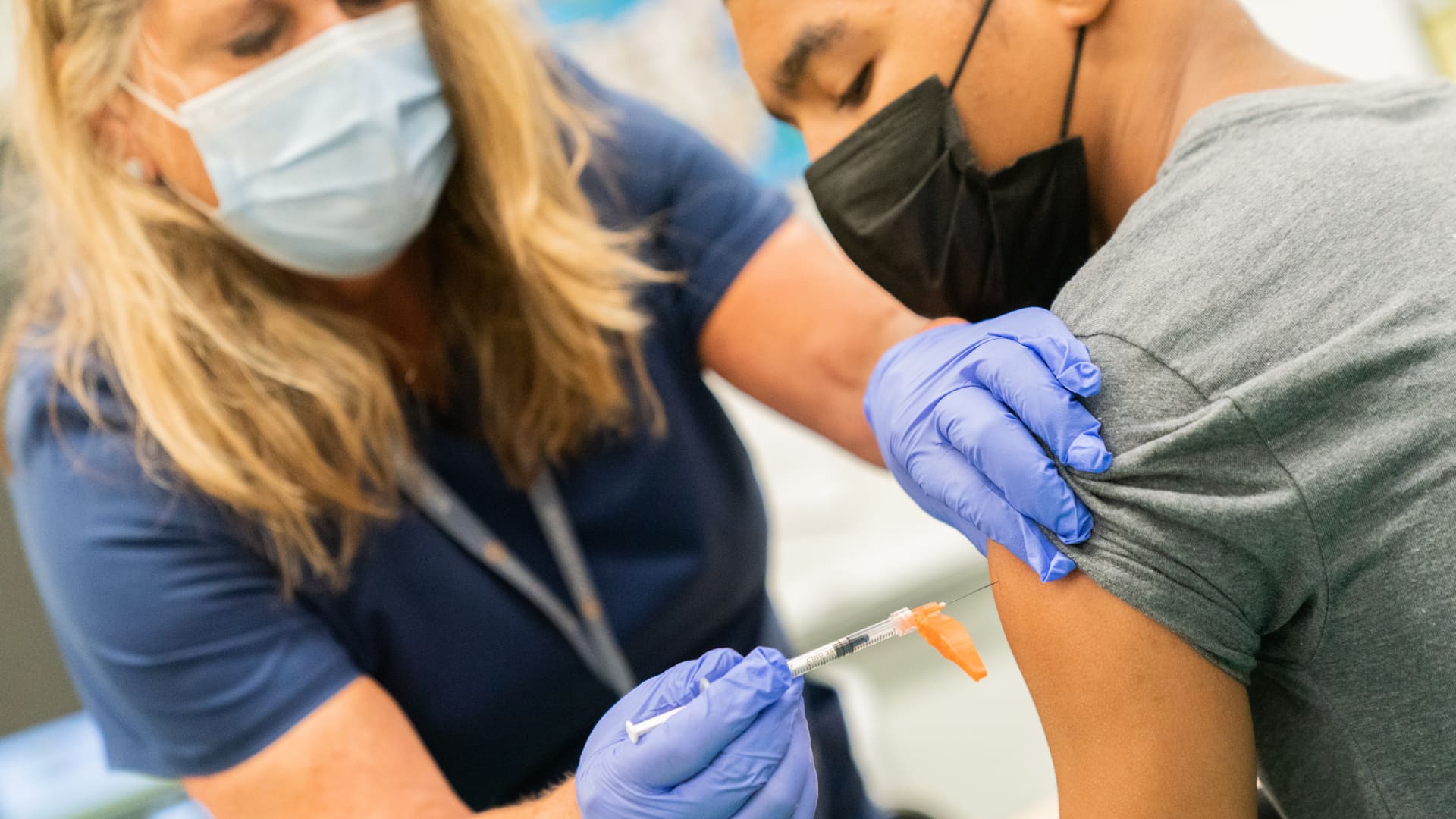
Healthcare students are turning to prediction markets and betting platforms as a way to help cover tuition and living costs, according to a Clasp report based on 1,000 respondents. Fewer than half of users said they had made money, underscoring the financial risk of treating volatile winnings as part of an education budget.
Clasp, a workforce infrastructure company, said about two-thirds of healthcare students who use prediction markets and betting sites believe the platforms can help finance their education. The survey, fielded by Pollfish from June 16 to June 28, found that more than 70% of users accessed platforms such as Kalshi or FanDuel at least a few times a week.
The findings come after the Trump administration broadened the list of graduate programs eligible for higher federal borrowing limits. Healthcare programs including nursing were added after initially being treated as nonprofessional degrees, a classification that briefly limited how much students could borrow for those courses. Programs in pharmaceutical sciences remain outside the list, according to the report.
Clasp’s survey showed a wide range of outcomes from betting and prediction-market activity. One healthcare student reported winning more than $50,000, while another lost an amount in that range. Fourteen respondents said they made more than $5,000, while two reported losses of about the same size. Most users reported wins or losses between $100 and $1,000.
“These students aren’t betting for fun,” Tess Michaels, Clasp’s chief executive, said. “They’re budgeting winnings into their tuition plans, and most of them are barely breaking even.”
Nearly 70% of respondents said they began using prediction markets or betting platforms to pay for school or living expenses, according to Clasp. Michaels said the combination of high costs and limited time can make these platforms appear attractive to students seeking quick access to cash, even where losses are possible.
“Time is really precious in healthcare, and there are different jobs that you can do to try and earn extra cash,” Michaels said. “And so the fastest routes to being able to get access to cash are probably going to win.”
The survey also found gender differences in use. More than 80% of all Clasp respondents were women, but male students reported higher use of prediction markets and betting platforms. Nearly half of male students said they used them, compared with about one-fifth of women.
Students are also relying on other ways to cover education and living costs. Clasp said 56% of respondents reported using additional resources, including credit cards or content creation on TikTok, OnlyFans, YouTube or Substack.
Michaels said the results point to pressure on healthcare students’ finances. Nearly 30% of respondents said they could not reliably cover a month of expenses.
“Graduate students require a cosigner to get access to a private loan, which is code for wealthy parents,” she said. “So if you don’t have a wealthy parent, how are you going to supplement [school]? It’s through outlets like this.”
This story draws on original reporting from CNBC.


