Hormuz fee proposal puts Malacca oil route under investor scrutiny
Rystad Energy says some investors are concerned that fees at Hormuz could encourage similar measures at the Strait of Malacca.
By Sarah Jenkins · Chief Macro Economics Correspondent
· 3 min read
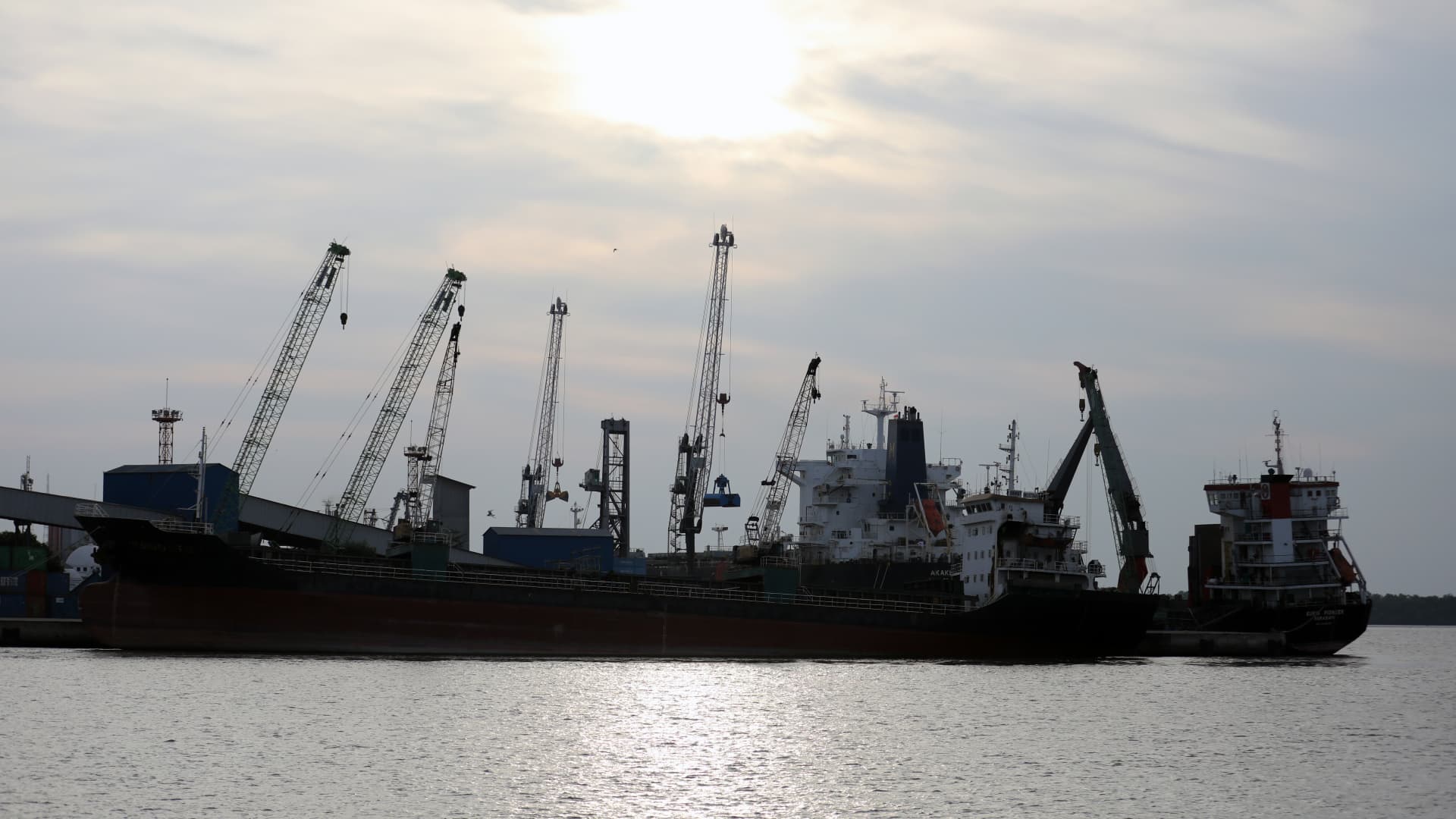
Energy market participants are examining whether a fee dispute around the Strait of Hormuz could spread to other maritime choke points, including the Strait of Malacca, a corridor that carried 29% of maritime oil flows in the first half of 2025, according to the U.S. Energy Information Administration. Rystad Energy’s Janiv Shah told CNBC that some investors were becoming concerned about the possibility of tolls affecting the Asian waterway, which links East Asia with the Middle East and Europe by the shortest sea route.
The concern follows reports that Iran and Oman, which sit on opposing sides of the Strait of Hormuz, have put a proposal to the U.S. to administer that corridor jointly, including the collection of administrative fees. Hormuz typically carries about 20% of global oil traffic, according to CNBC.
The U.S. and Iran agreed in a memorandum of understanding in June that ships would be able to pass safely and freely through Hormuz for 60 days. After that period, the future administration and maritime services of the strait are to be set by Iran and Oman following talks with other Persian Gulf states, in line with international law and the sovereign rights of coastal states, according to the memorandum language reported by CNBC.
Why Malacca is drawing attention
The Strait of Malacca is Asia and Oceania’s main oil choke point. The EIA said crude accounts for just over 70% of annual oil flows through the passage, with refined petroleum products making up the balance. The strait runs for about 900 kilometers and is bordered by Indonesia, Thailand, Malaysia and Singapore.
Shah, vice president of commodity markets at Rystad Energy, told CNBC’s “Squawk Box Europe” that investors were asking whether a “potential toll booth” at Hormuz could be repeated elsewhere. He said Malacca was the most important comparable corridor when measured by volume. Shah added that any such move would likely take considerable time because of the scale of traffic through the strait.
Fees at a choke point can affect oil markets by raising the cost of moving crude and products, or by forcing vessels onto longer routes if operators seek to avoid the passage. Analysts at the Center for Strategic International Studies said in a July 1 analysis that interruptions to the Strait of Malacca or the Taiwan Strait would leave ships with alternatives, but those alternatives would come at a cost.
Legal and diplomatic constraints
Maritime specialists cited by CNBC were skeptical that tolls would be introduced in the Strait of Malacca. International law protects free passage through straits used for international shipping, making a tolling system legally contentious.
Indonesia’s Finance Minister Purbaya Yudhi Sadewa suggested in April that Jakarta could charge ships using the Strait of Malacca, according to ABC reporting cited by CNBC, but later retreated from the idea. Indonesia’s coastline forms the full southern side of the strait.
Indonesia President Prabowo Subianto and Singapore Prime Minister Lawrence Wong reaffirmed their support for unimpeded vessel passage through the waterway after a meeting in Jakarta on Monday, according to Antara reporting cited by CNBC.
Hunter Marston, director of the Southeast Asia program at the Lowy Institute, wrote on June 23 that Malacca is clearly a choke point, but not a flashpoint. He pointed to the Malacca Straits Patrol, a joint arrangement involving Indonesia, Malaysia, Singapore and Thailand, as an institution that helps keep the waterway open to global trade.
This story draws on original reporting from CNBC.


