Intel earnings q2 2026 beat estimates as AI demand lifts shares
Intel shares rose 11% after second-quarter revenue climbed 25%, driven by server processor demand tied to AI infrastructure spending.
By Amanda Ross · Deals Correspondent
· 3 min read
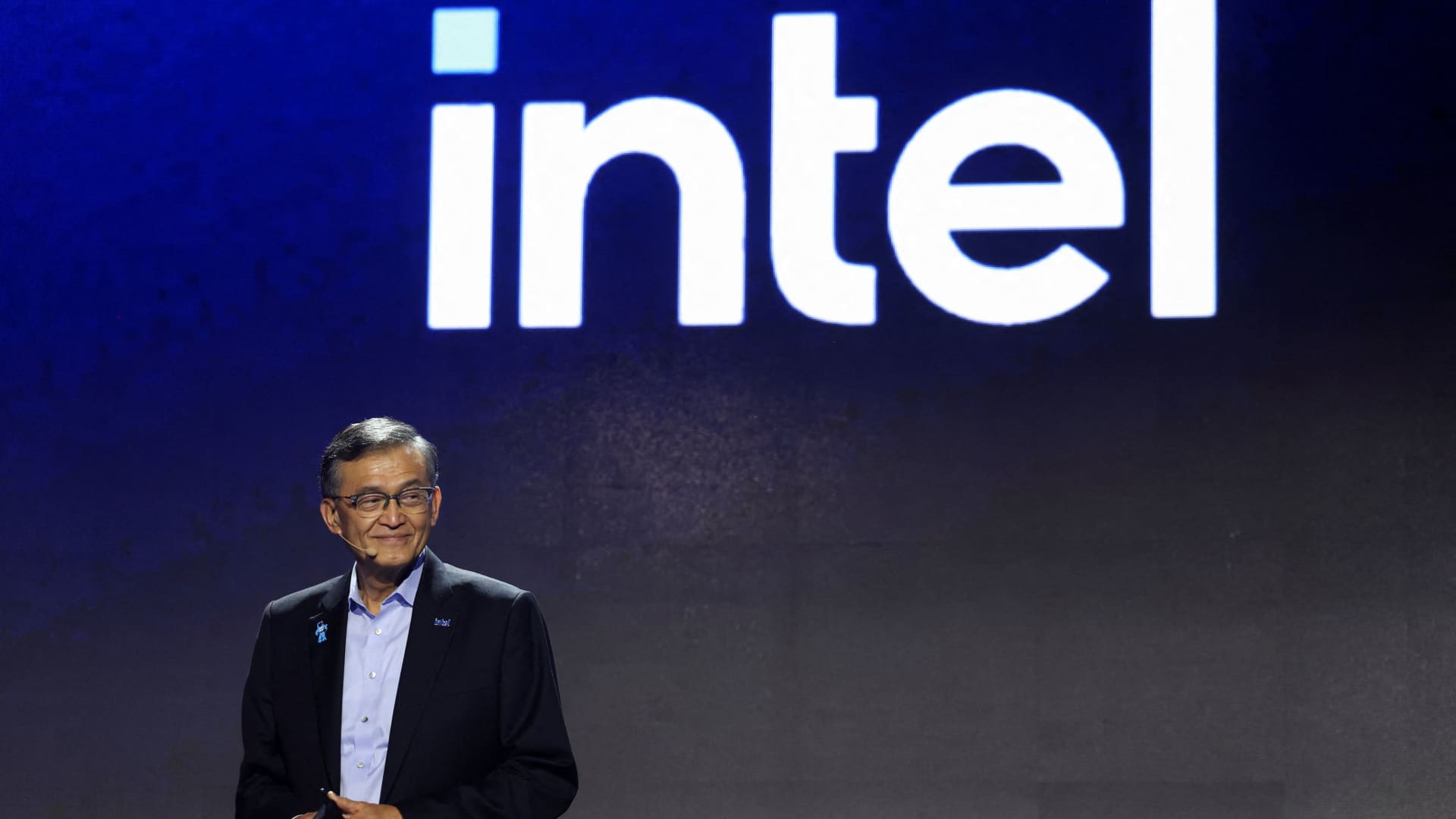
Intel earnings q2 2026 beat Wall Street expectations on Thursday, sending the chipmaker’s shares up 11% in extended trading as revenue rose 25% to $16.1 billion. The growth rate was Intel’s strongest for any quarter since the third quarter of 2011, according to the company, underscoring how demand for artificial intelligence infrastructure is lifting sales of server processors.
Intel reported adjusted earnings of 42 cents a share, compared with the 21 cents expected by analysts surveyed by LSEG. Revenue also exceeded the LSEG consensus estimate of $14.42 billion.
The results arrived after a volatile stretch for the stock. Intel shares had gained more than 170% in 2026 through Thursday’s close, following an 84% rise last year, when the U.S. government took a 10% stake in the company as part of a broader effort to support domestic semiconductor manufacturing. More recently, the stock had fallen 28% in July.
Why did Intel stock jump after earnings?
Investors responded to a combination of higher-than-expected second-quarter results and a stronger outlook for the current quarter. Intel said it expects adjusted earnings of 38 cents a share on revenue of $15.8 billion to $16.8 billion, above LSEG analyst expectations for 27 cents a share and $15.1 billion in revenue.
Intel Chief Executive Lip-Bu Tan said in the company’s statement that “AI is driving unprecedented demand for compute,” adding that the company is positioned to pursue growth across its central processing unit franchise. CPUs are the general-purpose processors used in PCs and servers; in data centers, they handle workloads that support large-scale computing systems, including AI infrastructure alongside other chips.
The company’s data center business was the strongest contributor to growth. Revenue in that segment rose 59% to $6.3 billion. Intel’s client computing group, which supplies chips for personal computers and remains its largest business, increased revenue 13% to $8.9 billion.
Intel said it expects PC sales to be flat in the third quarter because of a memory shortage. The company also said it is working on long-term agreements with server CPU customers, including some contracts with fixed pricing and others focused on committed chip volumes. Chief Financial Officer David Zinsner said Intel has reached 10 such agreements and is supply constrained, with data center customers seeking more chips than the company can produce.
Long-term chip agreements can give suppliers more visibility on demand and pricing, while giving customers greater confidence about access to components. CNBC reported that such arrangements have become more common in parts of the semiconductor market, particularly memory, as vendors seek to preserve pricing power if AI-related demand weakens.
What is Intel doing in manufacturing?
Intel is increasing capital spending as it tries to expand its foundry business, which manufactures chips for other companies. The company said it is targeting a meaningful increase in capital expenditures next year.
Zinsner told CNBC that Intel’s 14A manufacturing process is ahead of where older technologies were at the same stage of development. Intel said foundry revenue rose 31% from a year earlier to $5.8 billion.
The company has yet to disclose a major foundry customer and still primarily manufactures its own chips. Earlier this week, Intel named Fortinet as its first customer under Tan, using an older manufacturing process to produce security chips.
Intel’s gross margin recovered to 42%, compared with 2.5% in the year-earlier period. The company attributed the improvement to greater scale from higher revenue, sales of higher-margin chips and pricing.
This story draws on original reporting from CNBC.