Iran warns Hormuz is a red line after U.S. strike threats
Tehran said it would retaliate if U.S. attacks hit its infrastructure, while oil prices eased despite renewed fighting around the Strait of Hormuz.
By Marcus V. Thorne · Markets Editor
· 3 min read
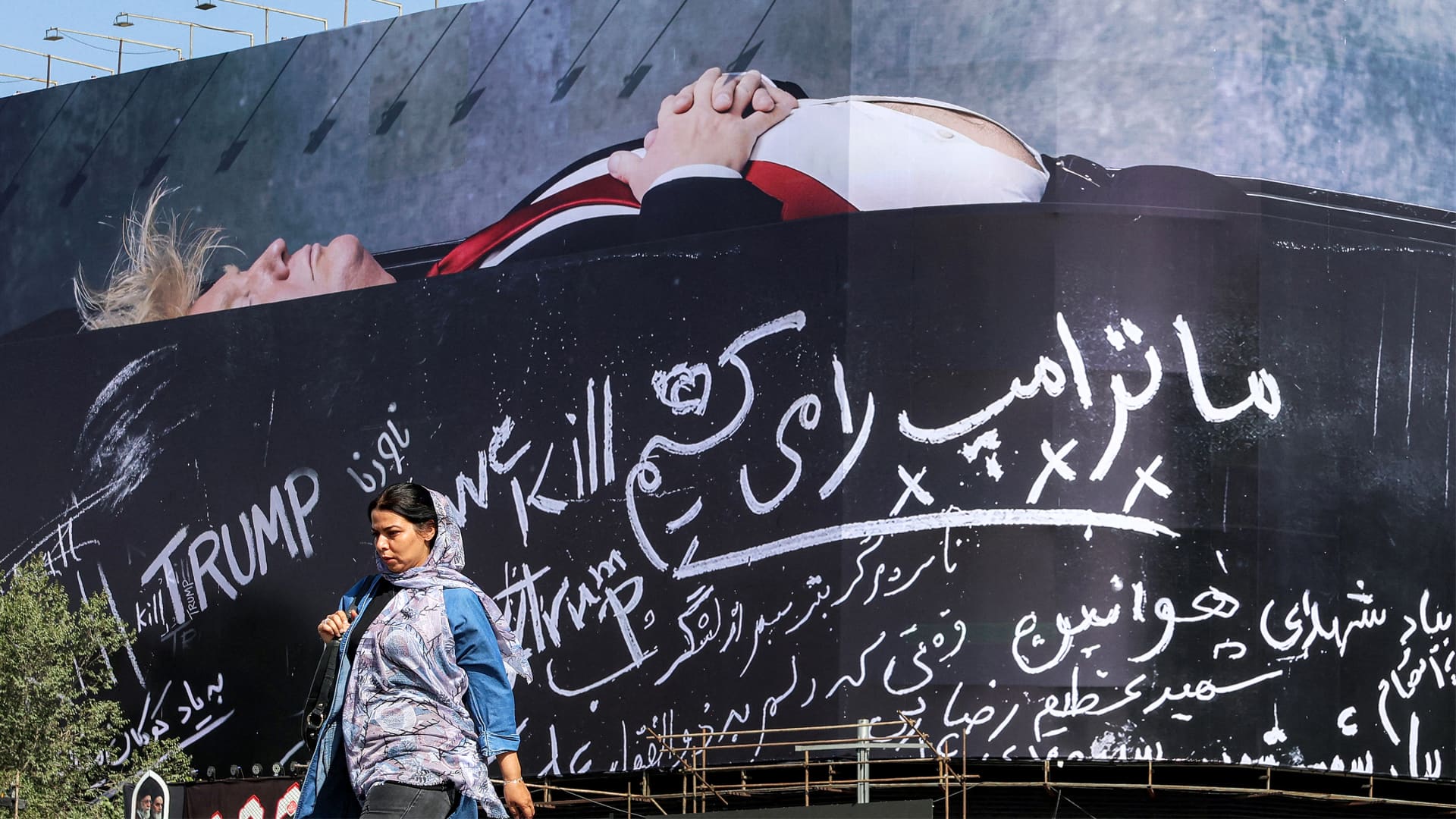
Iran warned Thursday that it would retaliate against targets in the Middle East if the United States carries out President Donald Trump’s threat to strike Iranian infrastructure, raising the stakes around the Strait of Hormuz, a key route for global energy shipments. Oil prices eased in early trading, with September Brent crude down 0.5% at $84.42 a barrel and front-month West Texas Intermediate down nearly 0.2% at $79.47 by 4:30 a.m. ET, according to CNBC market data.
The warning followed another round of U.S. attacks on Iran overnight. U.S. Central Command said in a post on X that American forces hit Iranian command centers, air defense positions, missile and drone assets, and coastal surveillance facilities, including targets in Bandar Abbas.
Centcom said the operation was intended to reduce Iran’s capacity to threaten commercial vessels passing through the Strait of Hormuz. The waterway links the Persian Gulf with the Gulf of Oman and is central to the movement of oil and other commodities from the region.
In a statement published on Telegram, a spokesperson for Iran’s top military command said that if Trump’s threats are carried out, remaining infrastructure in the region would be destroyed by Iran’s armed forces. The spokesperson also said Iran would not accept U.S. involvement in the Strait of Hormuz, calling the waterway Iran’s “invincible red line.”
Trump told Fox News on Tuesday evening that the United States would escalate strikes next week unless negotiations resume. “Next week comes the power plants. Next week comes the bridges,” Trump said, adding that the United States would target those facilities unless Iran returned to talks.
Strikes follow breakdown in ceasefire
The latest confrontation comes after Trump said last week that a ceasefire agreed the previous month was “over.” On Wednesday, he told Fox Business News that Iranian officials wanted to meet U.S. delegates for renewed negotiations.
Fighting intensified after the United States launched strikes earlier this week in response to attacks on commercial ships in the Strait of Hormuz. CNBC reported that Tehran has also launched attacks on multiple Gulf countries.
Iran’s Foreign Ministry also signaled a response. At an event in Tehran on Wednesday, a ministry spokesperson said, according to state-affiliated media, that Iran’s “hands are not tied” and that its fighters would respond to U.S. aggression with “full force and power.”
Analysts see tactical gains, strategic limits
Clark H. Summers, adjunct professor of government and political philosophy at Belmont Abbey College in North Carolina, told CNBC that the conflict is likely to settle into a stalemate. He said U.S. forces would probably continue precision strikes against drones and surface-to-surface missile launch sites as Iran prepares attacks, while also acting against threats to neutral shipping in the Persian Gulf.
Summers said those actions could be effective tactically but may have limited strategic effect if Iran can keep producing drones and missiles or draw on stockpiles. He also said Trump’s earlier proposal for a 20% fee on shipping through the Strait of Hormuz, which the president later walked back, suggested the administration understood that the war’s costs were weighing on public support.
Richard de Meo, founder and chief executive of London commodity hedging brokerage Attara, told CNBC that markets had become more accustomed to developments in the U.S.-Iran conflict. He said some companies were taking comfort from relatively range-bound markets despite sharp bouts of volatility, especially in energy, while treasury teams were increasing hedge ratios and extending hedge tenors where internal policies allowed.
This story draws on original reporting from CNBC.


