Jack Link’s sales topped $1.6 billion in 2025 as protein snacks grew
Link Snacks built Jack Link’s from a Wisconsin family meat business into a global portfolio amid rising demand for protein snacks.
By Amanda Ross · Deals Correspondent
· 4 min read
Jack Link’s sales in 2025 helped make Link Snacks one of the largest companies in a growing U.S. meat-snack market, with more than $1.6 billion in brick-and-mortar retail sales, according to Nielsen IQ data shared with CNBC Make It by the company. The broader category exceeded $5 billion in U.S. store sales last year, Nielsen IQ Retail Management estimated, while Circana said U.S. meat-snack sales have risen 42% since 2023.
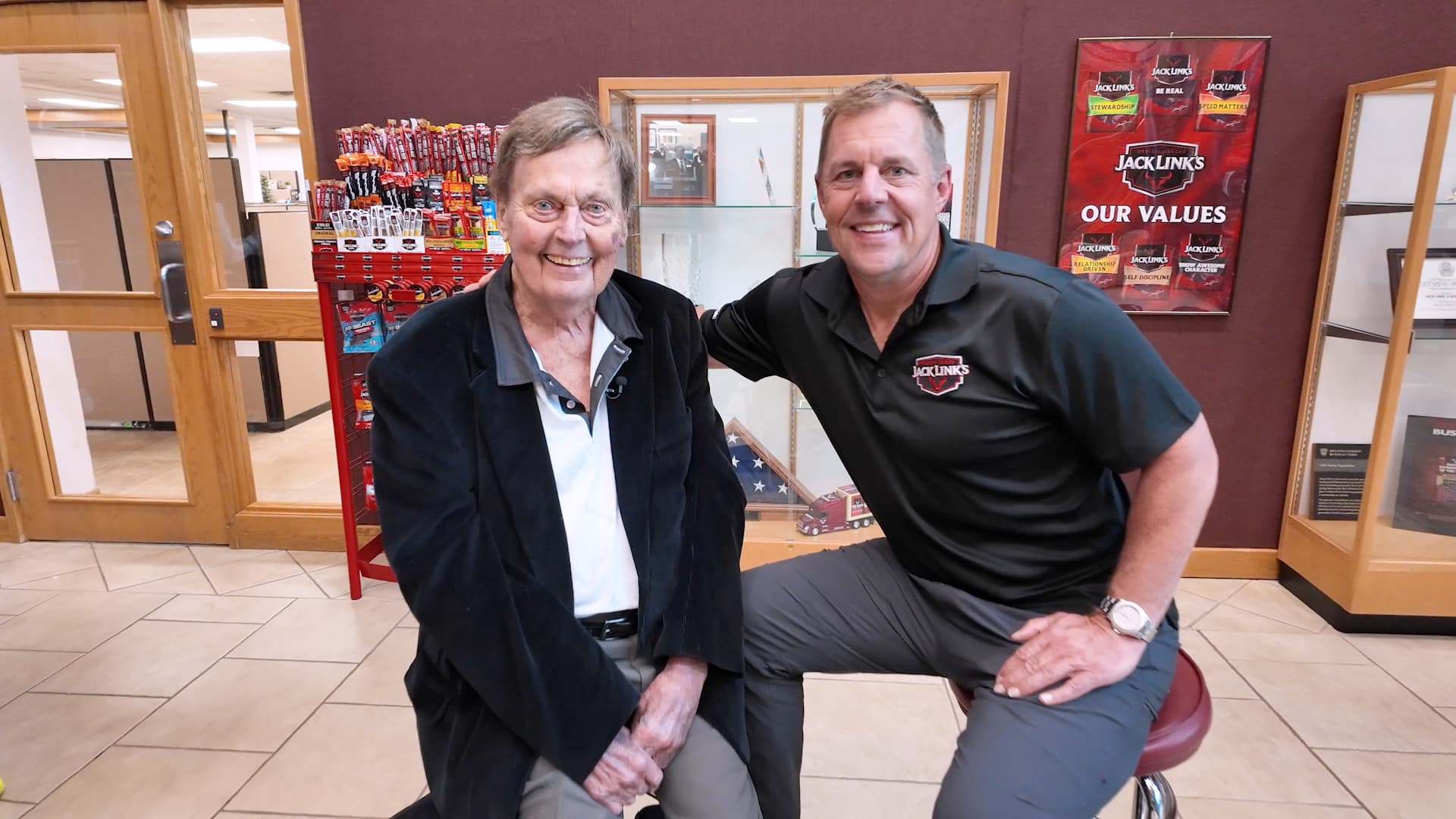
The privately held, family-owned company’s scale traces back to a distressed Wisconsin business. In 1985, Jack Link was 40, raising two teenagers in Minong, Wisconsin, and looking for a way to recover after a slaughterhouse he had bought from relatives in 1978 entered bankruptcy protection, according to CNBC Make It.
Today, Link Snacks sells products across eight flagship brands, including Jack Link’s, Lorissa’s Organic Snacks and Country Fresh Meats. Its portfolio spans jerky, beef sticks and steak strips, placing the company in a category benefiting from consumer demand for higher-protein foods.
How did Jack Link’s grow from a Wisconsin meat business?
The Link family’s commercial roots in Minong predate the jerky brand by a century. CNBC Make It reported that the family opened a general store in 1885 and later operated a meatpacking business that supplied sausage for the store.
After the bankruptcy filing, Jack Link experimented with products in the meatpacking facility, his son Troy Link told CNBC Make It. Troy, who was 15 at the time, said a hunting trip led him to bring home convenience-store jerky, prompting his father to compare the retail price with what the family could produce using its meat experience.
The family began selling packages of jerky under the “Beef Steak” name at its general store, using family smokehouses and a recipe Jack Link attributed to his German-born great-grandfather, a sausage-maker. Troy Link said the product was profitable from the beginning and moved into local grocery and convenience stores.
Link Snacks expanded by buying smaller Midwest rivals, adding manufacturing capacity and widening distribution. The company also sold snack packs with Wisconsin cheese alongside its jerky. Troy Link said the Atkins Diet in the 1990s helped demand for meat snacks, and by the early 2000s the company had more than $300 million in annual sales.
Troy Link, who studied business and marketing at the University of Wisconsin-Stout, became president in 2003 and later chief executive in 2013. Working with Minneapolis agency Carmichael Lynch, the company created the “Feed your wild side” campaign built around a Sasquatch character. The Minnesota Star Tribune reported that Link Snacks spent $10 million in 2008 to run the commercials on national networks including ESPN, Comedy Central and Discovery. The company said Jack Link’s annual sales rose 47% during the first two years the commercials aired nationally.
What challenges does Link Snacks face now?
Link Snacks has continued to expand under Troy Link. In 2014, it bought Unilever’s meat-snacks business for an undisclosed amount, including the European brands BiFi and Peperami and a plant in Ansbach, Germany. A company spokesperson declined to tell CNBC Make It how much the transaction increased the company’s footprint.
The company also opened a 412,000-square-foot manufacturing facility in Perry, Georgia, in 2025. Georgia officials previously described the project as a $450 million investment expected to create 800 jobs.
Growth is coming with cost pressure. Beef prices reached records in 2026, partly because of Trump administration tariffs on imported beef, according to CNBC Make It. Tariffs raise the cost of imported goods and can affect domestic prices when companies depend on global supply chains for inputs such as cattle and beef.
Troy Link, described by Minnesota Public Radio as a prominent supporter of Donald Trump’s 2024 campaign, told the Milwaukee Business Journal in February 2025 that global economic pressures, including tariffs, had increased costs and led the company to raise prices by at least 10% in 2025. He later told CNBC Make It that swings in meat prices are familiar for a business reliant on a worldwide supply chain.
The company also faces established and newer competitors. CNBC Make It cited Hormel Foods and Conagra Brands, parent of Slim Jim, with market values above $14 billion and $7 billion, respectively. It also cited Chomps and Archer Meat Snacks as brands gaining share while marketing products with “clean” ingredients.
Troy Link told CNBC Make It that the company expects to keep adding facilities and products, and said it should at least double every 10 years. Jack Link, now 80 and chairman since 2013, credited the company’s progress to “good hard work” and “good product,” according to CNBC Make It.
This story draws on original reporting from CNBC.