Japan exports and imports post fastest growth since 2022
June exports rose 19.3% and imports climbed 25.4%, beating Reuters-polled estimates as chip-equipment demand and a weak yen supported trade.
By Sarah Jenkins · Chief Macro Economics Correspondent
· 2 min read
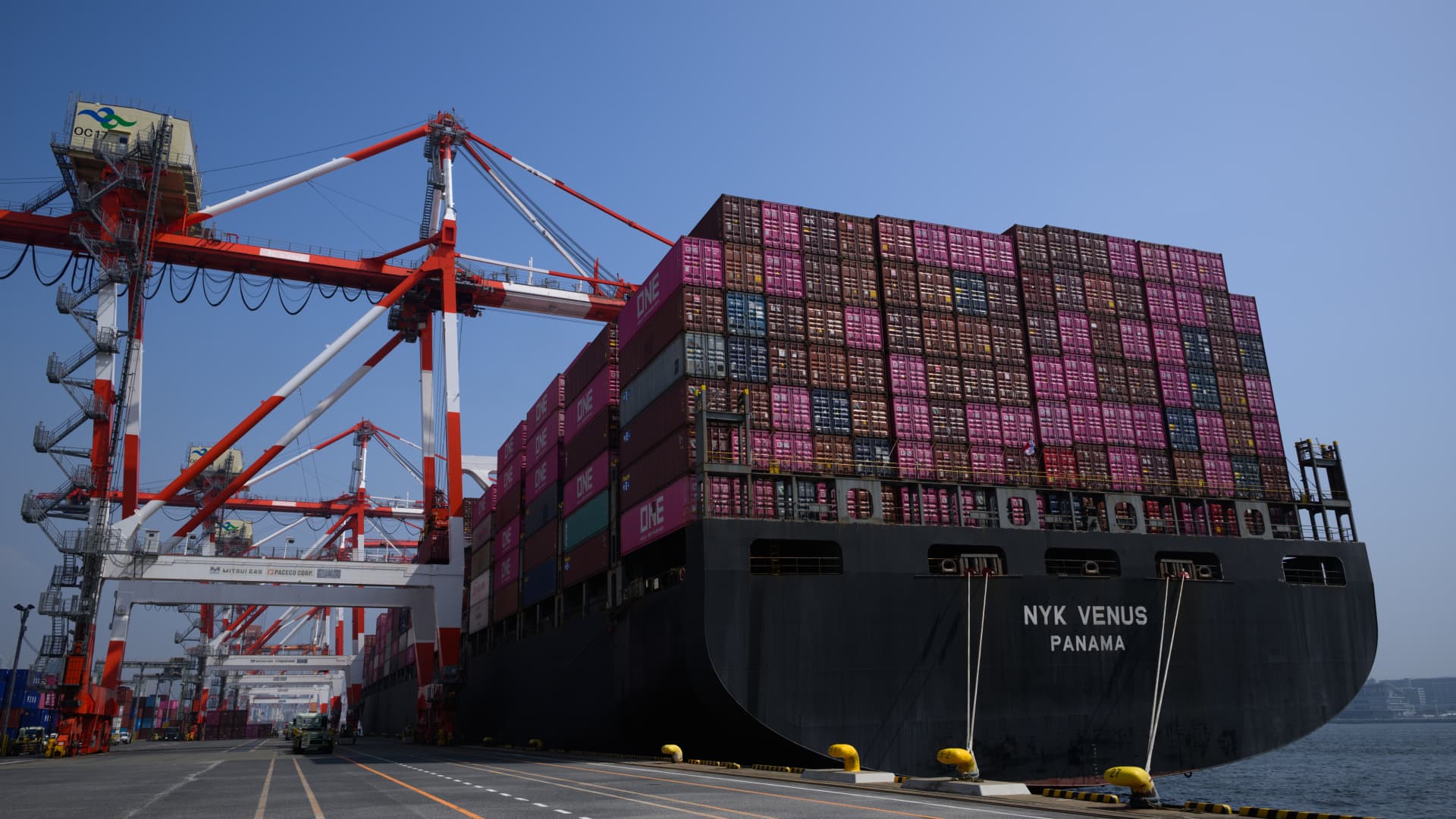
Japan’s trade flows accelerated in June, with exports rising 19.3% from a year earlier and imports increasing 25.4%, both the fastest growth rates since November 2022. The figures exceeded expectations in Reuters polls, underscoring the role of technology demand and currency weakness in supporting one of Japan’s main channels of economic activity.
Export growth was stronger than the 18.6% increase expected by economists surveyed by Reuters and outpaced May’s 16.8% gain. Imports also surpassed forecasts, with the 25.4% annual rise ahead of a Reuters-polled estimate for a 21% increase.
CNBC reported that shipments of semiconductor equipment helped drive the export performance. Demand linked to artificial intelligence has lifted shares of several Japanese technology companies this year, including Tokyo Electron, Renesas Electronics and Advantest, with gains ranging from 50% to 93% so far in 2026, according to CNBC.
The export strength comes as Japan’s economy continues to rely on overseas demand as an important driver. CNBC reported that gross domestic product expanded 0.5% sequentially in the first quarter and grew at a revised annualized rate of 1.8%.
The yen has also contributed to the trade picture. CNBC reported that Japan’s currency has fallen to multi-decade lows and was trading around 163 against the dollar. A weaker yen can lift the yen value of foreign-currency export receipts when those earnings are converted back into Japan’s currency, although it can also affect the cost of imported goods.
The Bank of Japan linked stronger overseas conditions to artificial intelligence demand in its June monetary policy meeting materials. The central bank said foreign economies were seeing an upswing because of AI-related demand and added that, for Japan, “the deterioration in the terms of trade has been mitigated, and concerns over an economic slowdown have subsided.”
Terms of trade measure the relationship between export prices and import prices. An improvement, or a smaller deterioration, can ease pressure on national income because a country needs to export less to pay for a given level of imports. For Japan, where energy and other imports are significant and manufacturing exports remain central to corporate earnings, the balance is closely watched by policymakers and investors.
The June data point to a firmer external sector at midyear, with semiconductor-related shipments and currency effects both visible in the headline numbers. The import surge also indicates strong growth in inbound trade values, leaving the broader implications for domestic demand and corporate margins dependent on the composition of goods and exchange-rate effects reported in future releases.
This story draws on original reporting from CNBC.


