Jim Cramer casts SpaceX as a possible holding for future generations
Jim Cramer called SpaceX a decades-long proposition after a 13.6% share fall, while warning that a lockup expiry could weigh on trading.
By Marcus V. Thorne · Markets Editor
· 3 min read
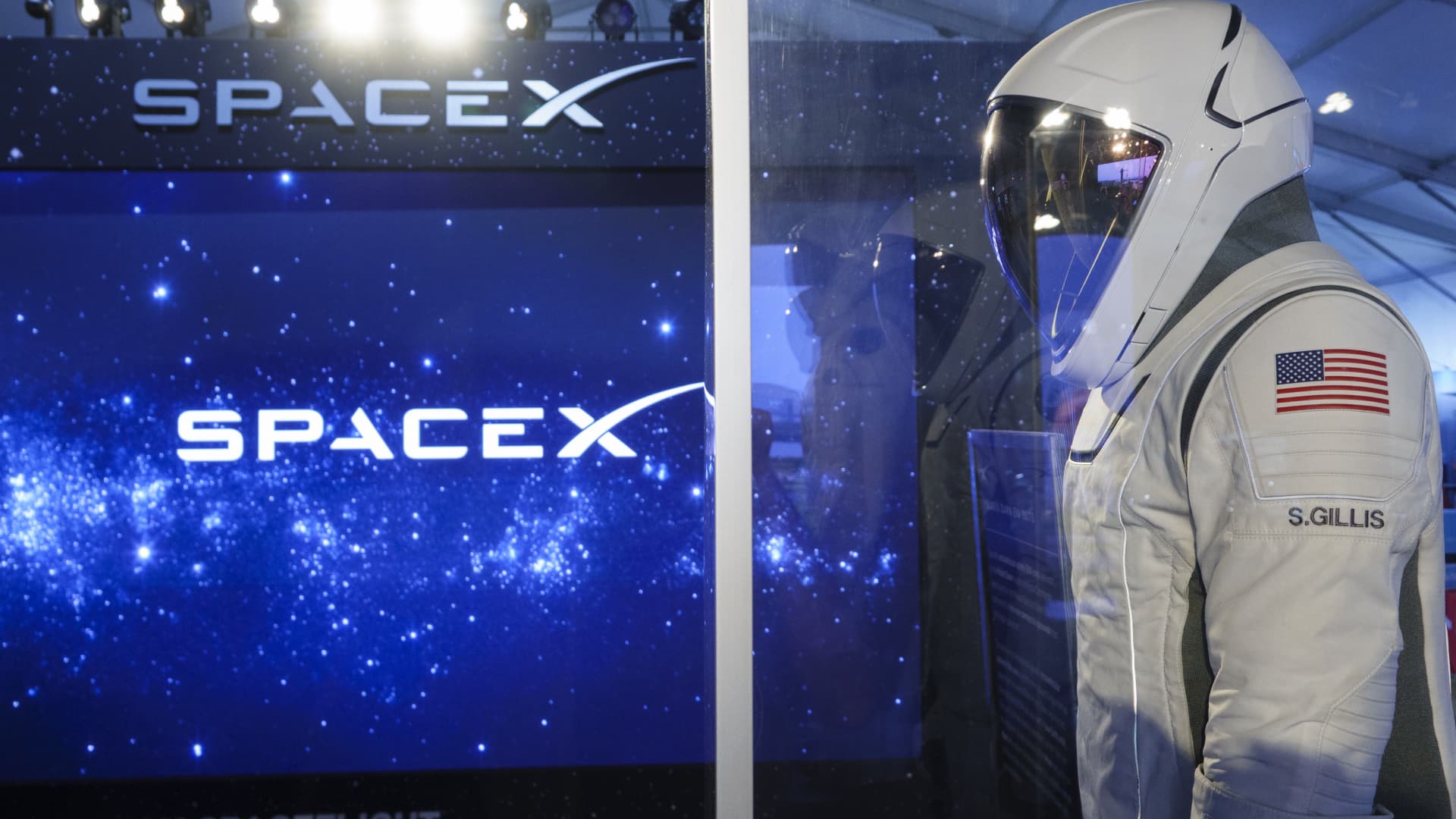
Jim Cramer said investors weighing SpaceX for their kids should regard the newly public company as a potential multigenerational holding rather than a quarterly trade. The comments came after SpaceX shares fell 13.6% on Aug. 5, following its first earnings report since the June initial public offering, CNBC reported.
Cramer, the host of CNBC's “Mad Money”, said SpaceX could be held for 100 years and suggested setting aside shares for a subsequent generation. He did not present that view as a prediction of returns: he said the stock could become a major winner at an unknown point in the future.
The market reaction followed quarterly revenue that exceeded expectations, alongside sharply higher capital expenditure, according to CNBC. Cramer also said the shares faced a nearer-term supply risk, with roughly 911 million previously restricted shares due to become eligible for trading the next day.
Why did Jim Cramer call SpaceX a long-term investment?
Cramer based his long-range view on confidence in Elon Musk's record of creating businesses and securing financing for capital-intensive projects. He said he would not make the case for SpaceX without Musk's involvement, and said he believed Musk could raise the funds required for the company's ambitions.
He pointed to Starship, the reusable-rocket programme, Starlink satellite internet and an expanding computing operation as businesses that could add to SpaceX's value over time. CNBC reported that the company had computing-capacity rental agreements with Anthropic and Alphabet's Google. These opportunities are elements of Cramer's investment thesis, rather than independent confirmation of the company's future performance.
In practical terms, a lockup restricts early shareholders and insiders from selling stock for a period after an initial public offering. When the restriction ends, a larger pool of shares can be traded. Cramer said on July 28 that investors contemplating a substantial purchase should wait until after the Aug. 6 expiry, because added supply can put downward pressure on a share price.
What were the risks Cramer identified?
Cramer's Aug. 5 remarks retained the caution he expressed a week earlier. On July 28, he said SpaceX's Aug. 4 earnings and the lockup event could produce additional volatility, even though he remained constructive on the longer-term outlook.
He also questioned how predictable the computing-rental revenue would be. Cramer said either party could cancel the Anthropic and Alphabet agreements with 90 days' notice, making the income difficult to forecast in his view. He said he would watch updates on Starship, Starlink subscriber growth and the artificial-intelligence operation.
The distinction is one of time horizon. Cramer argued that SpaceX's cited businesses could take years or decades to develop, while acknowledging that the timing of any potential payoff is uncertain and that the stock could remain under pressure in the near term.
This story draws on original reporting from CNBC.


