Johnson & Johnson talc settlement lifts shares to record high
J&J shares hit a record after a $5.5 billion talc deal covering about 76,000 ovarian cancer claims, CNBC reported.
By Marcus V. Thorne · Markets Editor
· 3 min read
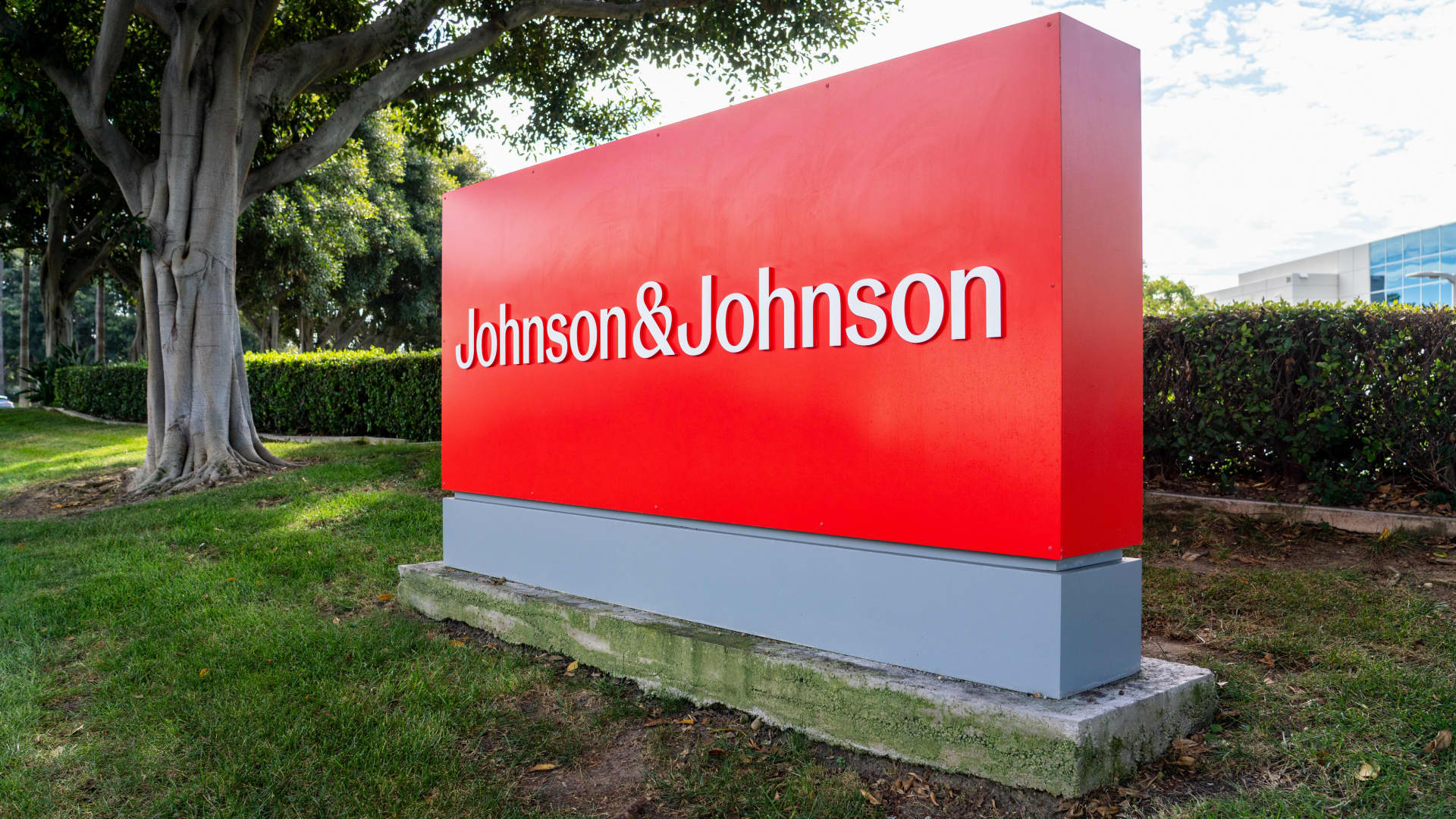
The Johnson & Johnson talc settlement helped push the company’s shares to fresh record highs on Tuesday, after the healthcare group announced a $5.5 billion deal aimed at resolving ovarian cancer litigation. CNBC reported that the stock traded as high as nearly $275 before losing some momentum, extending a year-to-date gain of almost 30%, compared with about 8.5% for the S&P 500.
The agreement, announced Monday evening by Johnson & Johnson, is intended to address roughly 76,000 cases tied to allegations that talc-based baby powder and other talc products caused ovarian cancer. The company said the settlement requires participation from at least 95% of claimants.
Under the proposed terms reported by CNBC, Johnson & Johnson would pay $3 billion in 2027 and make no further payments before 2028. Leerink analysts wrote Monday that they viewed the development positively because the $5.5 billion figure is below the $8 billion settlement proposal Johnson & Johnson put forward two years ago in a bankruptcy plan that was rejected by a judge. Leerink maintains a buy-equivalent rating on the stock, CNBC reported.
What is in the Johnson & Johnson talc settlement?
The settlement is a proposed cash agreement to resolve ovarian cancer claims linked to Johnson & Johnson talc products, subject to a 95% claimant participation threshold. Such a threshold matters because mass litigation settlements often require broad acceptance to give a company meaningful finality and reduce the risk that large numbers of claims continue separately.
Johnson & Johnson has said the ovarian cancer and mesothelioma claims are meritless and are not supported by science or reliable expert evidence. In its release, the company said studies show talc is safe, does not contain asbestos and does not cause cancer. The company previously settled most claims alleging its talc products contained asbestos and caused mesothelioma, according to CNBC.
Johnson & Johnson stopped selling talc-based baby powder in North America in 2020 and ended worldwide sales by 2023. The litigation has been a long-running overhang for the group, with CNBC’s Jim Cramer calling the latest agreement a “major landmark victory” for the company and saying it may mark the high point of class-action pressure against it.
Why did Johnson & Johnson shares rise?
Cramer said on CNBC that the relief from talc litigation helped the stock, while also cautioning that the intraday move toward $275 looked excessive enough to raise questions about whether it would hold. He also said the settlement was not the only reason investors have been drawn to Johnson & Johnson, citing the company’s pharmaceutical and medical technology businesses.
Johnson & Johnson reported second-quarter Darzalex sales of more than $4.2 billion, up nearly 19% from a year earlier. CNBC also cited continued growth in other multiple myeloma medicines: Carvykti rose nearly 50% in the quarter, while Tecvayli increased about 57%.
Chief executive Joaquin Duato said on the company’s second-quarter earnings call that Johnson & Johnson is on track to become the number one oncology company by 2030, with projected sales above $50 billion. Outside oncology, the company has Icotyde, which received Food and Drug Administration approval in March as the first oral IL-23 inhibitor for moderate-to-severe plaque psoriasis, according to CNBC.
Duato also discussed Ottava, Johnson & Johnson’s robotic surgery system, before FDA approval for several general surgery procedures, including a type of gastric bypass, gastric sleeve, appendectomy and hiatal hernia repair. CNBC reported that Ottava is expected to support the company’s medtech unit, which posted 4.5% sales growth to $8.93 billion in the second quarter, below estimates.
The share move also came during a broader rotation into defensive healthcare stocks, according to Cramer. CNBC reported that the S&P 500 healthcare sector index had gained more than 5% month to date, while the information technology sector index had fallen more than 5% and the broader S&P 500 had declined almost 1% in July.
This story draws on original reporting from CNBC.


