Kalshi prices low odds of a U.S. OpenAI stake this year
Prediction-market traders put the chance below 30% after reports that OpenAI proposed giving Washington a 5% equity stake.
By Amanda Ross · Deals Correspondent
· 3 min read
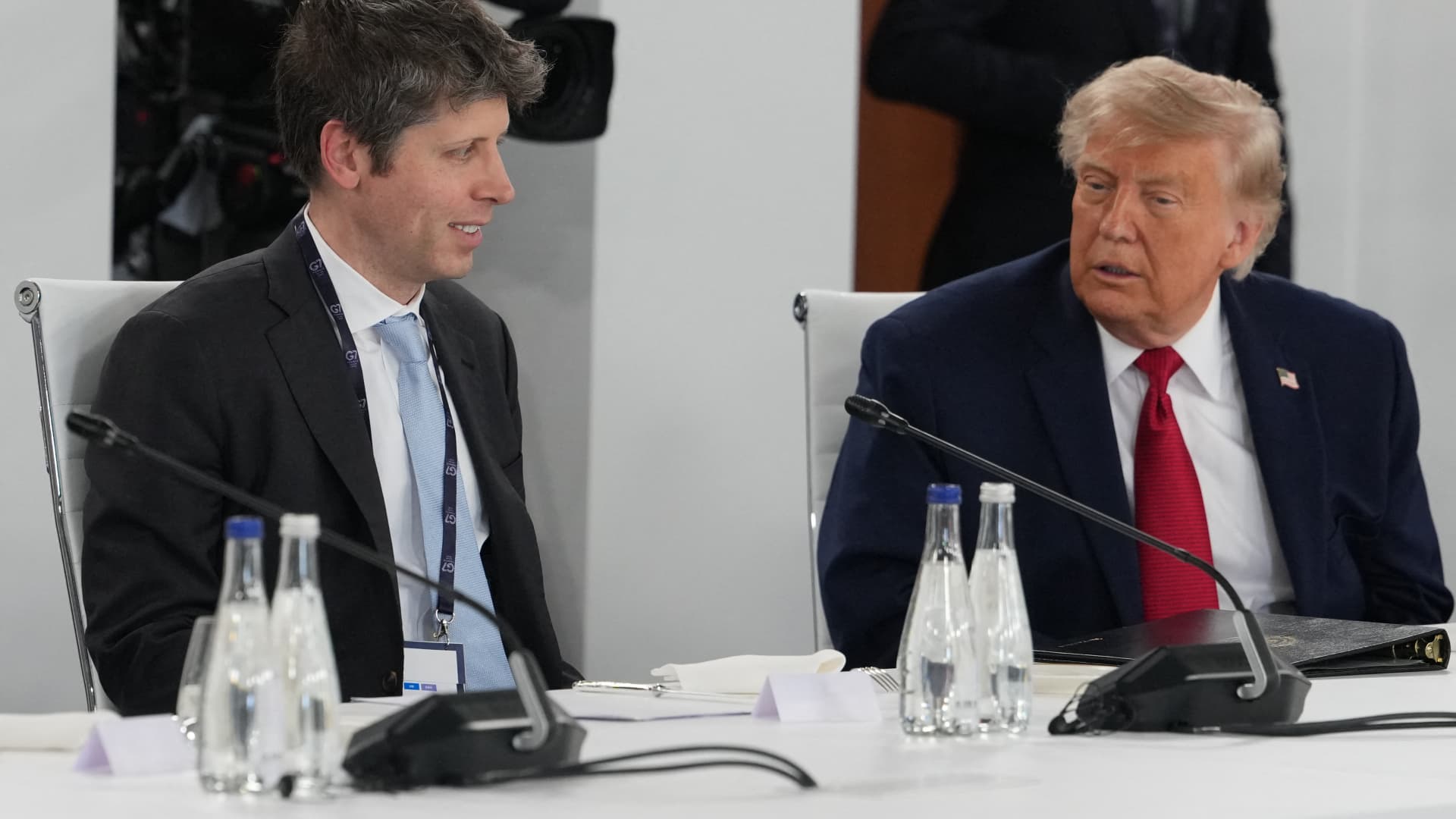
Kalshi traders are assigning less than a 30% probability to the U.S. government taking an equity stake in OpenAI or Anthropic this year, according to CNBC. The pricing follows a Financial Times report that OpenAI proposed giving the Trump administration a 5% ownership stake, a structure that would extend Washington’s recent use of equity stakes alongside industrial policy support.
The Kalshi contract asks which companies the U.S. government will take stakes in during the year. CNBC reported that the event resolves when an outcome is verified by the government, news organizations or official filings.
OpenAI Chief Executive Sam Altman first raised the idea of offering the U.S. government a stake with the Trump administration in 2025, CNBC reported last month, citing a person familiar with the matter. CNBC said the person was not named because the details were confidential.
President Donald Trump did not answer CNBC’s question last week about the proposed OpenAI stake. He instead pointed to the government’s 10% stake in Intel, which CNBC reported was taken last summer.
“Intel came in. They had a problem,” Trump told CNBC. “I said, ‘I can solve your problem, but I want 10% of the company.’”
How a government stake would work
An equity stake gives the government ownership in a company rather than only providing grants, loans or tax incentives. Depending on the terms, such a holding can give taxpayers exposure to changes in the company’s valuation, while companies may gain political support, access to public funding or help resolving regulatory and strategic issues. The specific rights attached to any OpenAI stake have not been reported in the material cited by CNBC.
The reported OpenAI proposal comes as the Trump administration has shown a willingness to pair public funding with ownership interests in strategically important technology sectors. CNBC reported that Kalshi traders see odds well above 60% that the government could take stakes this year in Rigetti Computing, D-Wave Quantum or GlobalFoundries.
In May, the U.S. Commerce Department said it would award $2 billion in grants to nine quantum computing companies, according to CNBC. The National Institute of Standards and Technology said it would take minority, non-controlling stakes in each company. Rigetti Computing, D-Wave Quantum and GlobalFoundries were among the companies named.
A minority, non-controlling stake means the government would own part of a company without holding enough voting power to direct corporate decisions. That structure can allow the state to participate financially in companies receiving public support while leaving management control with private owners and executives.
Drone companies also appear in the contract
The Wall Street Journal reported in May, citing people familiar with the matter, that the Trump administration might reach deals with several private drone companies, including Performance Drone Works and Neros Technologies. Some of those arrangements could involve equity stakes, the Journal reported, citing some of the people.
Performance Drone Works and Neros Technologies are also included in the Kalshi contract on government stakes, according to CNBC. Traders price the probability of a government stake in Performance Drone Works at just above 50%, while Neros Technologies is priced below 40%.
CNBC disclosed that it has a commercial relationship with Kalshi that includes customer acquisition and a minority investment.
This story draws on original reporting from CNBC.


