U.S. resumes strikes on Iran after Hormuz vessel attacks, CENTCOM says
U.S. Central Command said the strikes followed Iranian attacks on three commercial ships in the Strait of Hormuz, a key oil shipping route.
By Sarah Jenkins · Chief Macro Economics Correspondent
· 2 min read
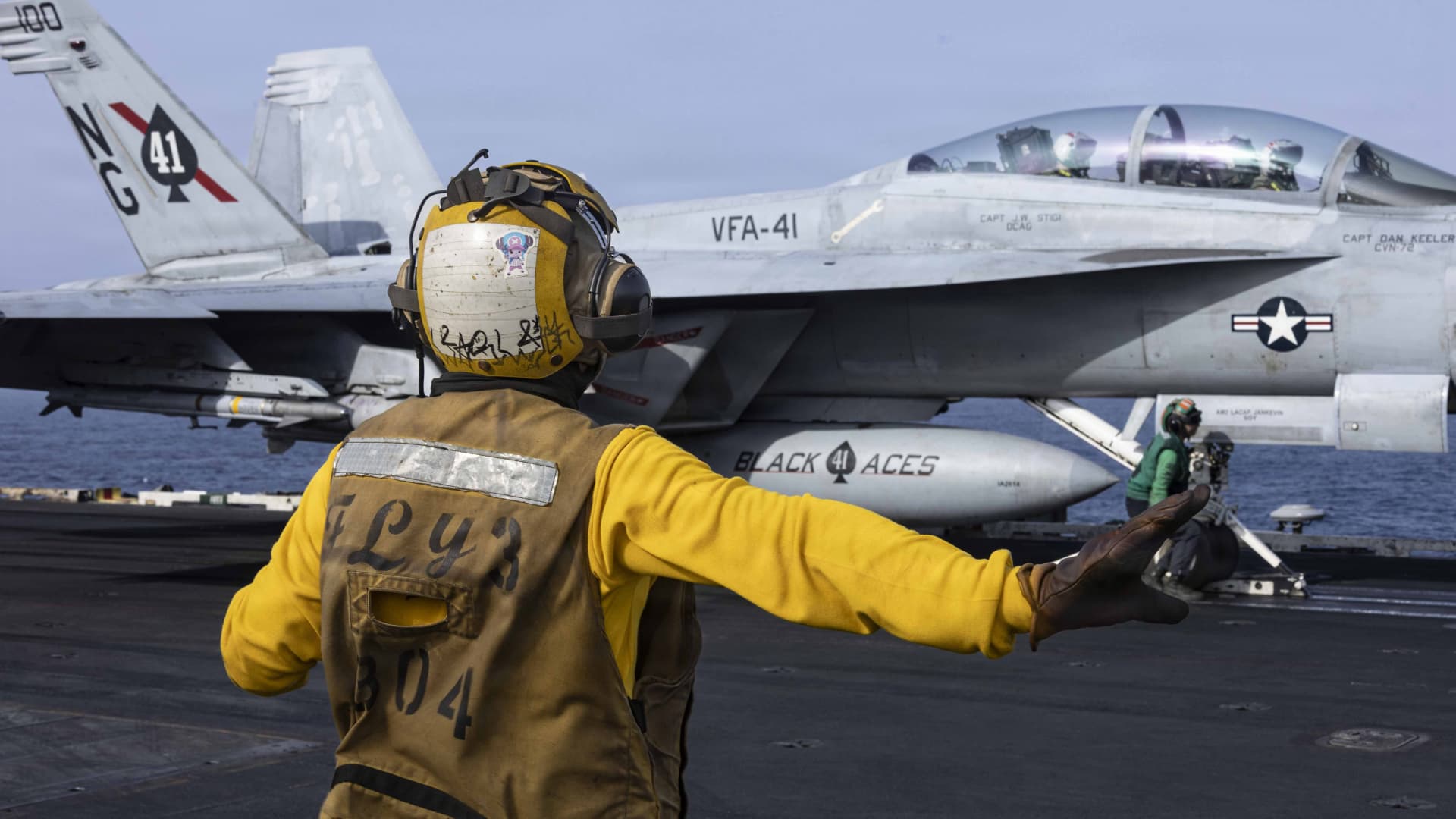
The United States launched a new round of strikes against Iran on Tuesday after Iranian attacks on three commercial vessels passing through the Strait of Hormuz, U.S. Central Command said. The action reopens a military confrontation around one of the world’s most sensitive shipping routes, with potential implications for oil markets and inflation.
CENTCOM described the operation as a “series of powerful strikes” and said it was carried out in response to the attacks on commercial shipping. The command did not provide further operational details in the initial statement cited by CNBC, including targets, damage assessments or whether there were casualties.
The Strait of Hormuz is one of the world’s most important energy chokepoints, according to CNBC. A disruption there can affect expectations for crude supply because ships carrying oil and other goods must transit the narrow waterway between the Persian Gulf and the Gulf of Oman.
CNBC reported that oil prices rose sharply during the earlier U.S.-Iran conflict and contributed to inflationary pressure across economies. The renewed strikes may therefore draw close attention from energy traders, shipping operators, insurers and policymakers monitoring the risk of further disruption to commercial traffic.
Ceasefire pressure
The latest U.S. action follows an exchange of attacks between Washington and Tehran last month, CNBC reported. That episode also followed Iranian attacks on commercial vessels in the strait.
Both governments later halted military action in the days after that exchange, according to CNBC, as a fragile ceasefire took hold. Negotiations aimed at ending the war were under way at the time of the new U.S. strikes.
CNBC reported that Iran had kept the Strait of Hormuz closed for months earlier this year. Any renewed threat to the passage would be closely watched because the route serves as a critical corridor for global energy trade and wider commercial shipping.
The immediate military and diplomatic response from Iran was not detailed in the initial CENTCOM account cited by CNBC. The report also did not specify whether the three attacked commercial vessels were damaged, what flags they sailed under or whether their crews were harmed.
The situation remains fluid, with investors likely to track official statements from CENTCOM, Tehran and governments with naval or commercial interests in the Gulf. For now, the confirmed development is that the United States has resumed direct military action against Iran after CENTCOM attributed fresh vessel attacks in the Strait of Hormuz to Iran.
This story draws on original reporting from CNBC.


