Kalshi adds midterm election hub for political prediction markets
The platform will display Senate and House market odds, polling averages, fundraising data and news as election-linked contract activity builds.
By Amanda Ross · Deals Correspondent
· 3 min read
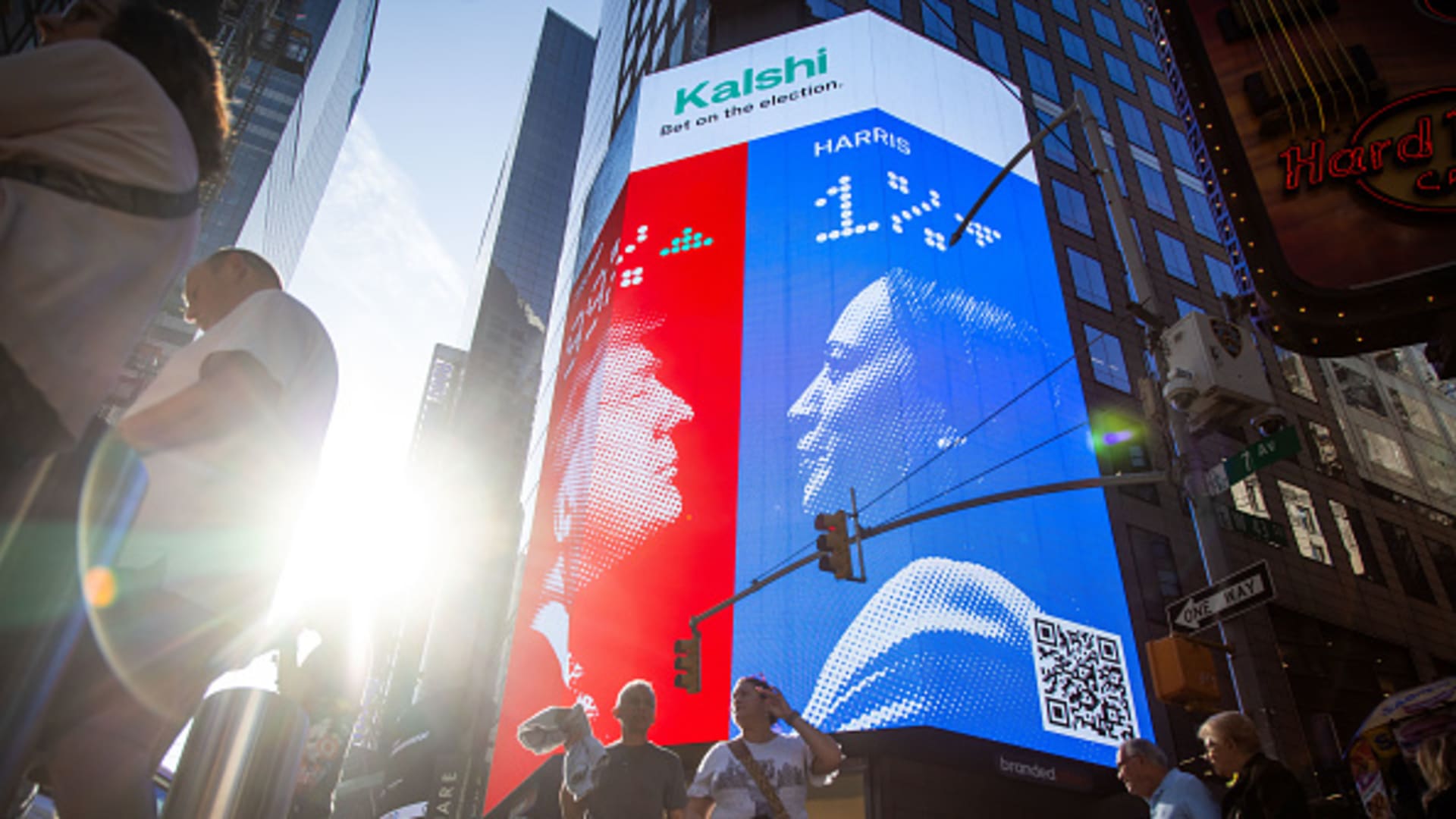
Kalshi is launching a centralized midterm election hub that will show how traders in its event-contract markets are pricing individual U.S. Senate and House races. The rollout expands the prediction market platform’s political offering ahead of November’s midterm elections, with more than $30 million already traded on contracts tied to which party will control the House and Senate in 2026, according to CNBC.
The “Midterms Hub” is designed for users who want to monitor the platform’s implied election odds without necessarily placing trades. Kalshi said in a press release that roughly three-quarters of visitors come to the site to view odds on events, while about one-quarter trade contracts.
The hub will present a national map showing the odds available across individual congressional contests. Those odds are drawn from Kalshi’s event markets, where speculators take positions on defined outcomes. As trading occurs across contracts linked to races or party control, the platform displays market-implied probabilities that viewers can compare across states and districts.
Polling, fundraising and news alongside market odds
Kalshi said the election page will also include polling averages, giving readers a way to compare market pricing with survey-based measures of voter sentiment. It will add the latest Federal Election Commission fundraising reports for individual candidates, as well as selected news and analysis from other outlets.
The format is aimed at making the platform more useful as a political data product, rather than only as a trading venue. Prediction markets have drawn attention from traders, campaign watchers and media organizations because prices can shift rapidly as participants react to polling, fundraising, candidate developments and broader political news.
Tarek Mansour, Kalshi’s co-founder and chief executive, said in a statement that prediction markets provide a view of public expectations backed by financial stakes. He said they “cut through polarization” and show “what the wisdom of the crowds actually believes, backed by real money, not rhetoric.”
Mansour, an MIT graduate who previously worked as a trader at Citadel and an analyst at Goldman Sachs, said the hub is intended to provide clarity for users following the midterms.
Kalshi builds out political products
The hub follows another political product launch by Kalshi earlier this year. In May, the company introduced the American Power Index, which it described as an “S&P 500” for politics. The index was created to track relative strength between political parties, according to the company.
Prediction-market activity rose during the 2024 presidential election, and CNBC reported that market watchers expect the 2026 midterm season to generate another increase in volume. The early trading in House and Senate control contracts indicates that political markets are already drawing capital well before Election Day.
Kalshi’s latest product also reflects a wider effort to make event-contract pricing legible to non-traders. By combining market odds with polls, fundraising figures and political coverage, the company is positioning its midterm page as a monitoring tool for investors, policymakers and political observers who track election risk but may not participate directly in the contracts.
This story draws on original reporting from CNBC.


