Kalshi Warsh Fed markets price odds he says ‘oil’ and ‘shock’
Kalshi contracts show traders expect Kevin Warsh to mention oil and shocks as the Fed weighs rates after renewed U.S.-Iran conflict.
By Sarah Jenkins · Chief Macro Economics Correspondent
· 3 min read
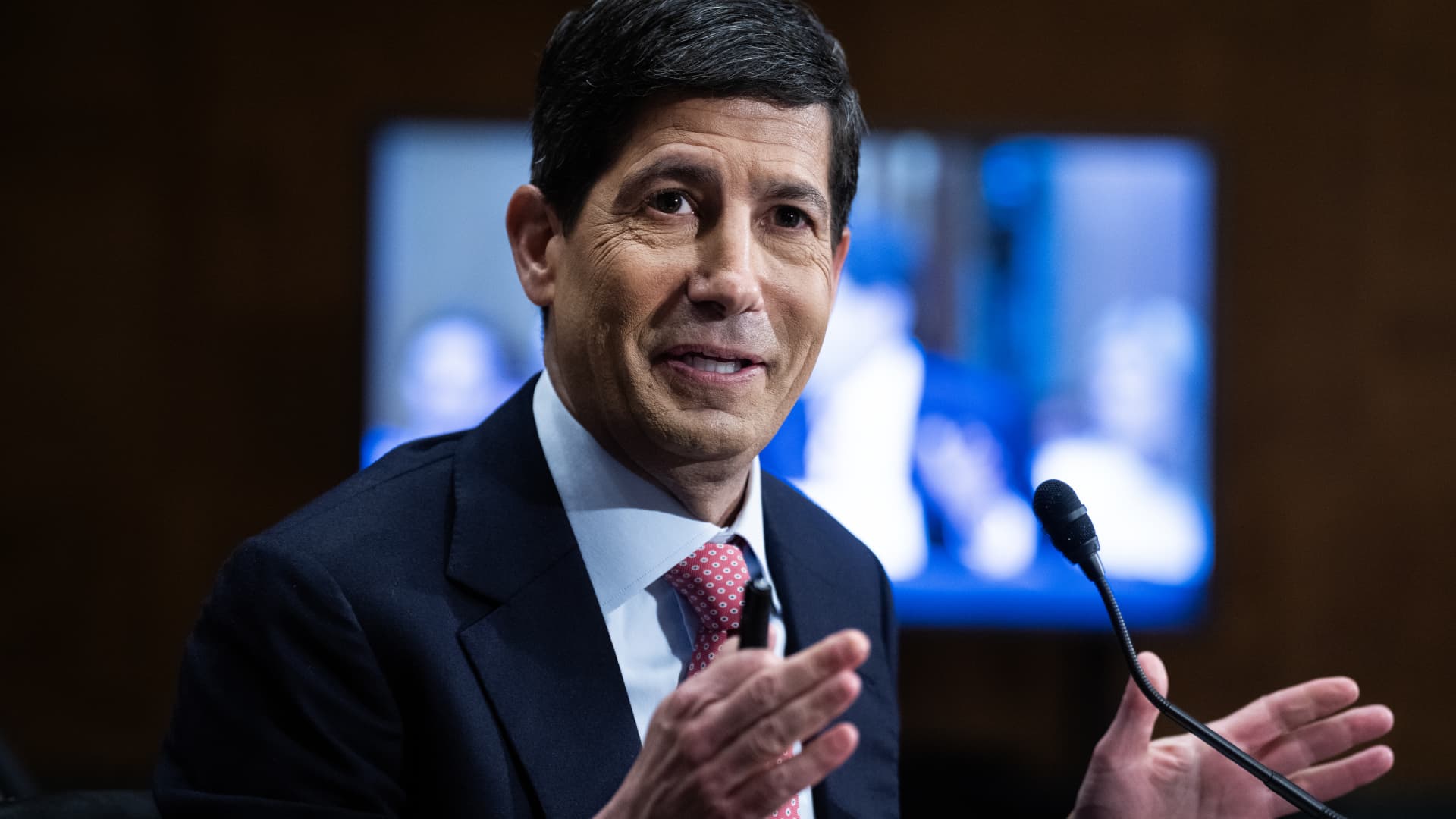
Kalshi Warsh Fed contracts showed traders focused on the language Chairman Kevin Warsh may use at this week’s Federal Reserve press conference, with market pricing putting a 74% chance on him saying “oil” and odds above 50% on the word “shock.” The contracts come as rate markets largely expect the Fed to keep its overnight benchmark rate unchanged, while the recent U.S.-Iran conflict has revived concern over energy prices and inflation.
The mention market was among Kalshi’s leading word-based contracts on Monday afternoon and is set to be settled according to what Warsh says at the Fed’s July press conference, scheduled for Wednesday at 2:30 p.m. ET. Kalshi also listed contracts tied to the July rate decision and the timing of the next Fed increase, with those rate-related markets to be verified by the Federal Reserve.
What are Kalshi traders expecting Warsh to say?
Kalshi traders were assigning high probabilities to language tied to energy and disruption. The platform’s contract on Warsh’s next press conference showed a 74% probability that he would use the word “oil” and more than a 50% probability that he would say “shock.”
Event contracts are prediction-market instruments whose value reflects traders’ expectations about whether a defined event will happen. In this case, the outcome depends on the words Warsh uses at the press conference rather than on the Fed’s policy decision itself.
The word choices matter because energy prices can feed into inflation expectations and bond yields, both central variables for monetary policy. Warsh’s June Federal Open Market Committee meeting ended with a shorter Fed statement, and he did not provide a forecast for the path of interest rates, leaving investors with less formal guidance to interpret.
Oil prices moved after U.S.-Iran fighting paused
The Fed meeting follows a pause in fighting between the United States and Iran after both countries exchanged attacks last week. Brent crude briefly moved back above $100 a barrel during the confrontation before the halt in fighting reversed part of the move. Brent was trading below $89 on Monday.
Bank of America said Monday that it would be “textbook policy” for the central bank to look past an energy supply shock rather than respond directly to it. That view reflects the distinction policymakers often draw between a one-time price shock and a broader inflation process, though the Fed can still respond if higher energy costs begin to affect expectations or wider price-setting behavior.
The CME Group’s FedWatch tool showed the Fed was widely expected to leave its overnight benchmark rate unchanged at the July meeting. A separate Kalshi contract on the July decision put the probability of no change at nearly 75%.
How have rate-hike odds changed?
Markets have still marked up the possibility of tighter policy. FedWatch put the probability of a rate increase this week at about 38%, up from 16% last week. Another Kalshi contract asking when the next Fed hike will occur showed a 68% probability that one would take place this year.
Evercore ISI said it would be odd for the Fed to raise rates immediately after a better June inflation reading, given what the firm described as a clear path to raise rates in September if needed. The firm added that it could not assign too low a probability to a move because Warsh has not laid out his strategy and because the renewed U.S.-Iran conflict has revived the energy shock and pushed yields higher.
CNBC disclosed that it has a commercial relationship with Kalshi, including customer acquisition arrangements and a minority investment.
This story draws on original reporting from CNBC.