Korea leveraged ETF losses draw apology as chip sell-off deepens
Finance Minister Koo Yun-cheol apologized after retail investors lost heavily in single-stock leveraged ETFs tied to chip shares.
By Sarah Jenkins · Chief Macro Economics Correspondent
· 3 min read
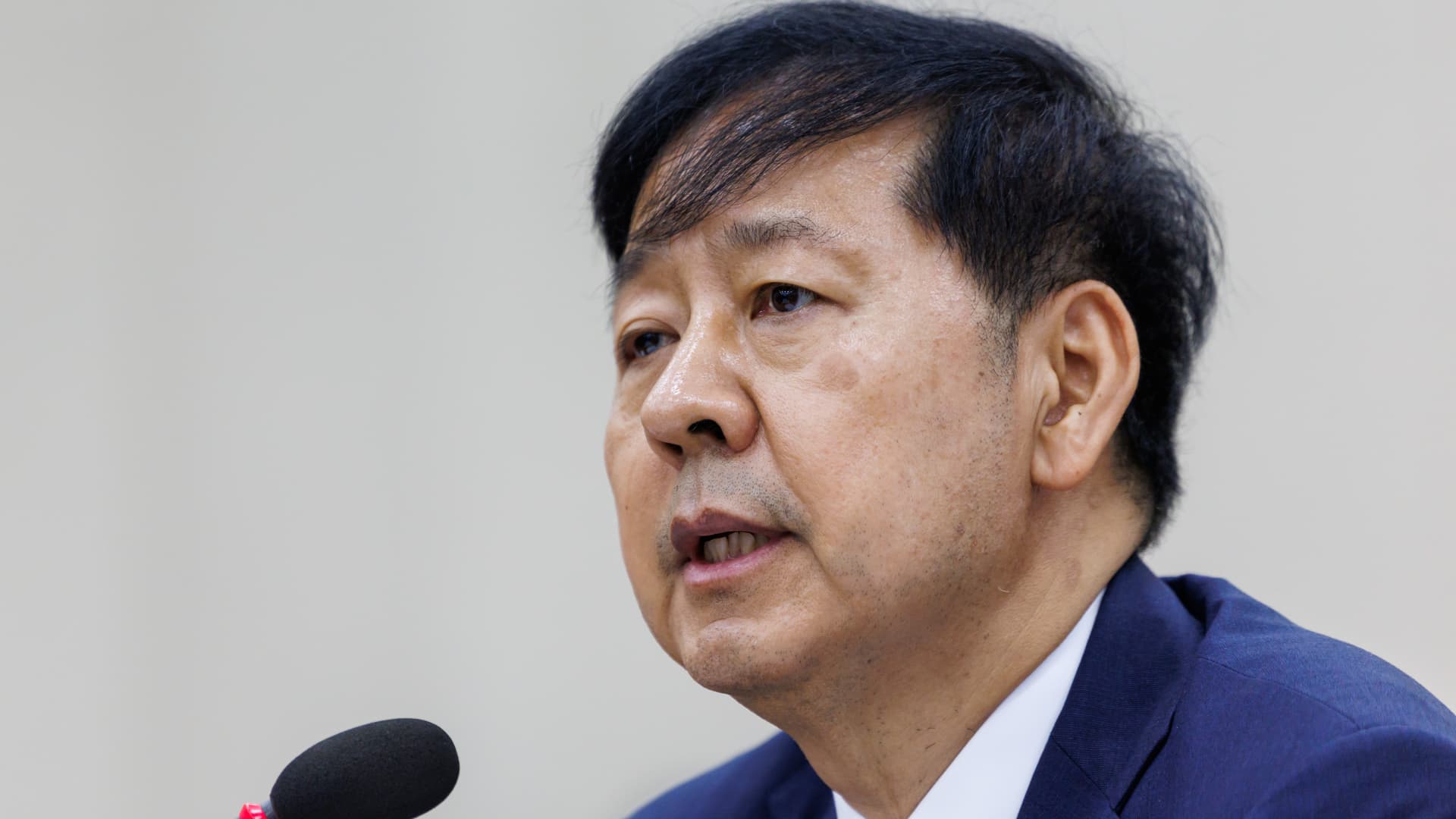
Korea leveraged ETF losses prompted an apology from Finance Minister Koo Yun-cheol on Wednesday after retail traders suffered steep declines in products introduced in May. Korean retail investors made net purchases of 14 trillion won, about $9.7 billion, in single-stock leveraged exchange traded funds after their May 27 launch, compared with about 2 trillion won by foreign investors, according to KB Financial Group.
The losses have followed a sharp reversal in South Korean equities, led by semiconductor shares. LSEG data cited for the products showed the KODEX SK Hynix Single Stock Leverage ETF, which seeks to deliver twice the daily move in SK Hynix shares, has dropped more than 80% from its June 23 high. A comparable Samsung Electronics product has fallen almost 75% from its June 3 peak.
The broader Kospi index has fallen almost 35% over the past month as concerns over chip stocks hit some of the benchmark’s largest constituents. Samsung Electronics and SK Hynix had previously climbed with the global rally in artificial intelligence-linked semiconductor shares.
What are single-stock leveraged ETFs?
A single-stock leveraged ETF is an exchange traded fund that aims to multiply the daily return of one company’s share price, often by using derivatives or borrowing-linked exposure. A two-times product seeks twice the stock’s daily move in either direction, so losses can deepen quickly when the underlying share falls and compounding can widen the gap over longer holding periods.
Koo accepted lawmakers’ call for an apology during a parliamentary session after the products were introduced without sufficient consideration, Reuters reported. His comments came as losses among retail holders put pressure on policymakers to reassess whether the instruments should be widely available.
South Korea’s Financial Services Commission is considering restrictions that would limit access to the products to professional investors, according to comments from Lee Eog-weon, the commission’s chief. Lee told the National Assembly’s Political Affairs Committee in Seoul that, if needed, authorities could raise the eligibility threshold to professional investors, according to the Seoul Economic Daily.
Lee also said regulators could consider reducing the leverage multiple on single-stock products if lawmakers prepare the necessary legislation. He said a two-times tracking multiple was too large and that lowering it could help ease volatility, according to the Seoul Economic Daily.
Any changes would need to account for existing investors, Lee indicated. He said officials would review investor-related procedures, including beneficiary general meetings, while considering legislation, according to the same report.
The debate places South Korea’s retail trading boom under closer scrutiny after leveraged products magnified gains during the market’s rise and losses during the downturn. For regulators, the immediate question is whether product access, leverage limits or investor safeguards should change before the next period of sharp market stress.
This story draws on original reporting from CNBC.


