Two lawmakers disclose SpaceX share purchases after record listing
House filings show purchases tied to Reps. Dan Meuser and Gil Cisneros after SpaceX’s June IPO, raising fresh scrutiny over congressional trading rules.
By Marcus V. Thorne · Markets Editor
· 3 min read
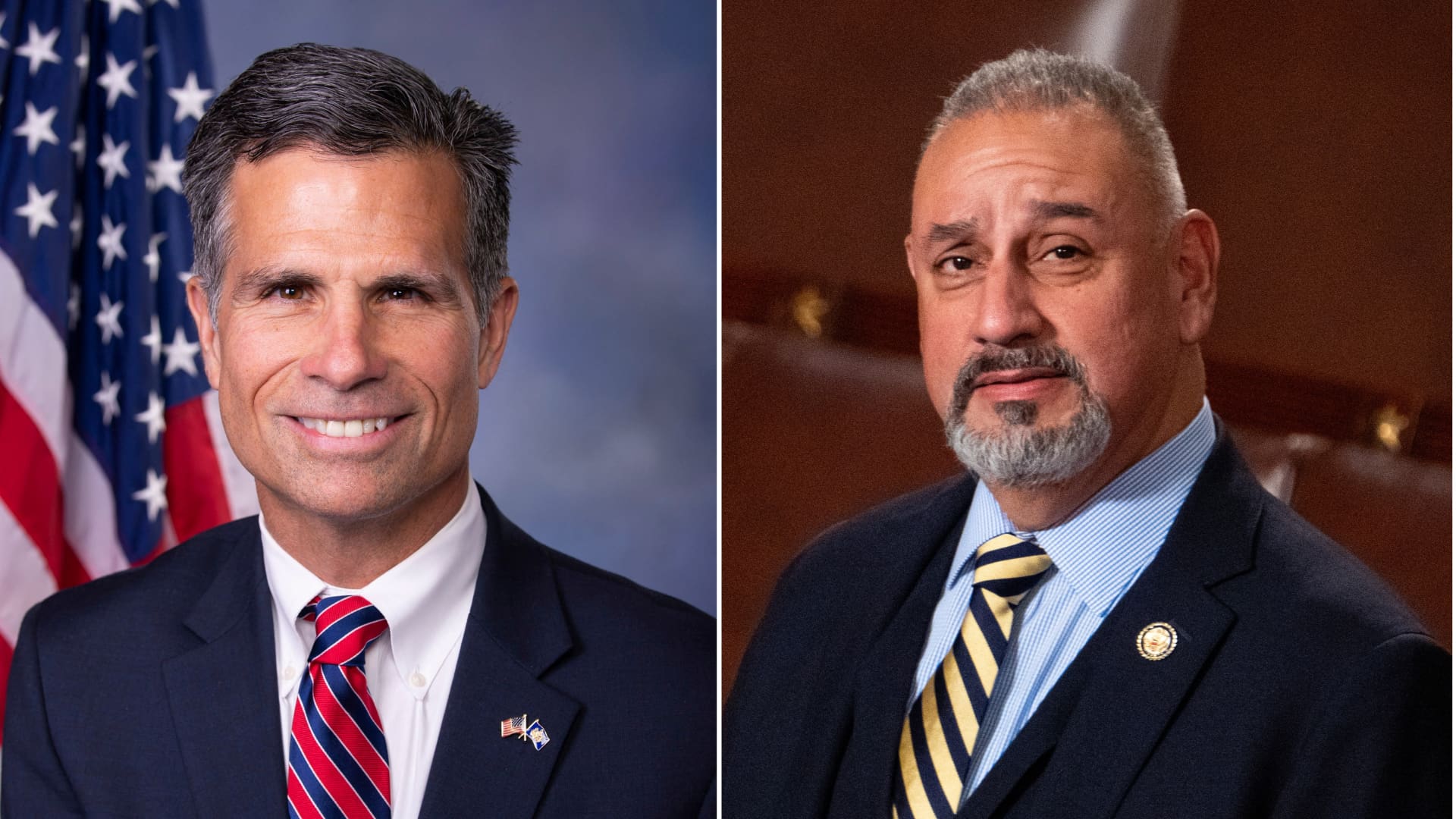
Two U.S. House members disclosed purchases of SpaceX shares shortly after the company’s June market debut, according to publicly available financial filings. The transactions followed an initial public offering that raised about $75 billion and valued Elon Musk’s aerospace and satellite company at more than $2 trillion.
Rep. Dan Meuser, a Pennsylvania Republican, reported that a dependent child bought between $15,001 and $50,000 of SpaceX stock on June 15, House records show. CNBC reported that the filing appeared to mark the first purchase in several years by Meuser or a family member of shares in an individual company.
Rep. Gil Cisneros, a California Democrat, disclosed a June 18 purchase of SpaceX shares valued between $1,001 and $15,000, according to House records.
CNBC reported that the filings appear to be the first known congressional disclosures of SpaceX stock purchases after the company went public on June 12. There is no evidence that either lawmaker traded on nonpublic information or broke the law.
Committee roles draw attention
The transactions are politically sensitive because of the lawmakers’ assignments. Meuser serves on the House Financial Services Committee, which has authority over securities markets and exchanges. Cisneros sits on the House Armed Services Committee, which oversees the Defense Department, a significant customer of SpaceX.
SpaceX has become a major federal contractor through its launch, satellite and defense-related businesses. CNBC reported in May that SpaceX won a $4.16 billion Space Force contract for threat-detection satellites.
A spokesperson for Meuser did not immediately respond to CNBC’s request for comment on Friday. SpaceX also did not immediately respond to CNBC’s request for comment.
Cisneros told CNBC in a statement that he and his wife use outside financial advisers and do not direct daily trading decisions in their portfolio. He said he had complied with trading and disclosure rules while serving in government and would continue to support stronger ethics oversight for elected and appointed officials’ financial portfolios.
Cisneros served in the Biden administration as under secretary of defense for personnel and readiness before returning to Congress.
How the disclosure system works
Under the STOCK Act, members of Congress must report securities transactions by themselves, their spouses and dependent children. The law allows lawmakers and their immediate families to own and trade individual shares, provided they follow disclosure requirements and do not use confidential information obtained through public office.
The reporting system often reveals trades after they occur, rather than in real time. Ethics watchdogs previously told CNBC that additional SpaceX-related trades by members of Congress could appear in coming filings after the company’s IPO.
SpaceX shares opened at $150 in their debut and closed Thursday at $162, about 8% above the opening price, according to CNBC. The stock remained roughly 20% below its June 16 closing high of $201.80.
The listing has drawn attention beyond SpaceX because other large private technology companies are preparing or considering public offerings. CNBC reported that Anthropic has confidentially filed for a U.S. IPO and that OpenAI followed soon after, with a possible valuation target reaching $1 trillion.
Congress has debated restrictions on stock trading by lawmakers for years. House Republican leaders pledged late last year to bring a trading-ban bill to the floor, and a similar Senate measure advanced from committee in July 2025, according to CNBC. Neither chamber has taken further action.
CNBC previously reported that Rep. Lisa McClain, a Michigan Republican, had a family investment that stood to benefit from SpaceX’s public debut after her husband bought up to $250,000 in xAI before Musk folded that company into SpaceX. CNBC reported there was no evidence McClain knew about later government actions involving xAI or traded on nonpublic information.
This story draws on original reporting from CNBC.


