Microsoft earnings put spending plans in focus as AI costs rise
Microsoft reports fiscal fourth-quarter results after the close, with investors focused on Azure growth, AI spending and data-center guidance.
By Sarah Jenkins · Chief Macro Economics Correspondent
· 3 min read
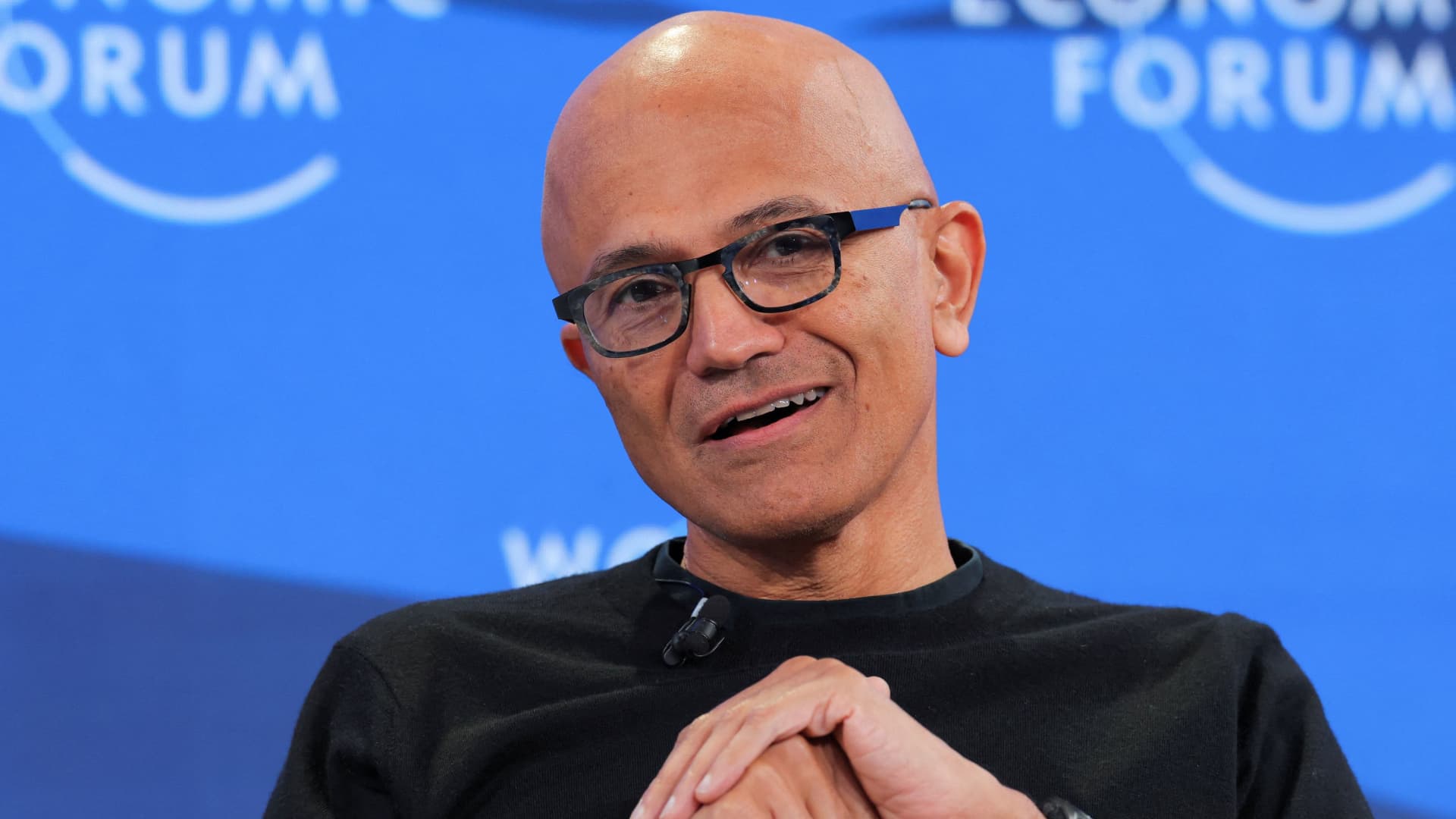
Microsoft earnings spending plans are set to dominate investor attention when the company reports fiscal fourth-quarter results after the U.S. market close on Wednesday. Analysts surveyed by LSEG expect adjusted earnings of $4.24 a share on revenue of $87.62 billion, implying 14.6% year-over-year revenue growth for the quarter ended June 30.
Wall Street is also looking for a modest acceleration in the current quarter. LSEG consensus estimates point to 15.4% revenue growth in the September quarter, CNBC reported.
The release comes during a difficult year for large software stocks. Microsoft shares were down about 19% for 2026 through Tuesday’s close, while the S&P 500 had risen 8.5%, according to CNBC. Investors have questioned whether generative artificial intelligence will erode the advantages of incumbent software companies even as those companies spend heavily to build AI services.
What are analysts expecting from Microsoft earnings?
Beyond the headline profit and revenue figures, analysts are watching Azure, Microsoft’s cloud computing business. CNBC and StreetAccount polls put expected Azure growth at 40% and 40.2%, respectively, on a constant-currency basis.
Cloud growth matters because Microsoft is allocating scarce computing capacity among Azure customers, internal research work and products such as Microsoft 365 Copilot. Chief Executive Satya Nadella has had to balance those demands as AI chips are used both to train models and to serve commercial cloud clients. More chips assigned to research can reduce what is available to customers buying cloud capacity.
Capital spending is the second major focus. Investors will be looking for any change to Microsoft’s forecast for capital expenditures and finance leases tied to data-center expansion, CNBC reported. Alphabet raised its 2026 spending range by $15 billion last week, increasing scrutiny on other large cloud and AI infrastructure buyers.
Analysts surveyed by Visible Alpha expect Microsoft to guide for $190.5 billion in capital expenditures and finance leases, CNBC reported. That would be slightly above the $190 billion outlook Microsoft gave in April. Capital expenditures typically cover investments such as servers, chips and buildings, while finance leases can reflect long-term commitments to use infrastructure assets.
Microsoft’s relationship with OpenAI is another area under review. Deutsche Bank analysts wrote last week that Microsoft faces “some concentration risk” from that relationship, particularly as open-source AI models gain ground, CNBC reported. The analysts have a buy recommendation on Microsoft shares. Microsoft said in January that about 45% of its $625 billion in commercial remaining performance obligations was linked to OpenAI, according to CNBC. Remaining performance obligations are contracted revenue that has not yet been recognized.
Several operating changes also occurred during the quarter. Microsoft introduced an AI coding model designed to be more cost-efficient, named LinkedIn executive Dan Shapero to lead the professional social network and reduced prices for Xbox Game Pass subscriptions, CNBC reported.
Microsoft executives are scheduled to discuss results and provide guidance on a call with analysts beginning at 5:30 p.m. ET.
This story draws on original reporting from CNBC.