Nike to narrow China online sales channels from January
Nike will cut thousands of online distributors in China as it seeks tighter pricing control and a more consistent digital retail experience.
By Sarah Jenkins · Chief Macro Economics Correspondent
· 3 min read
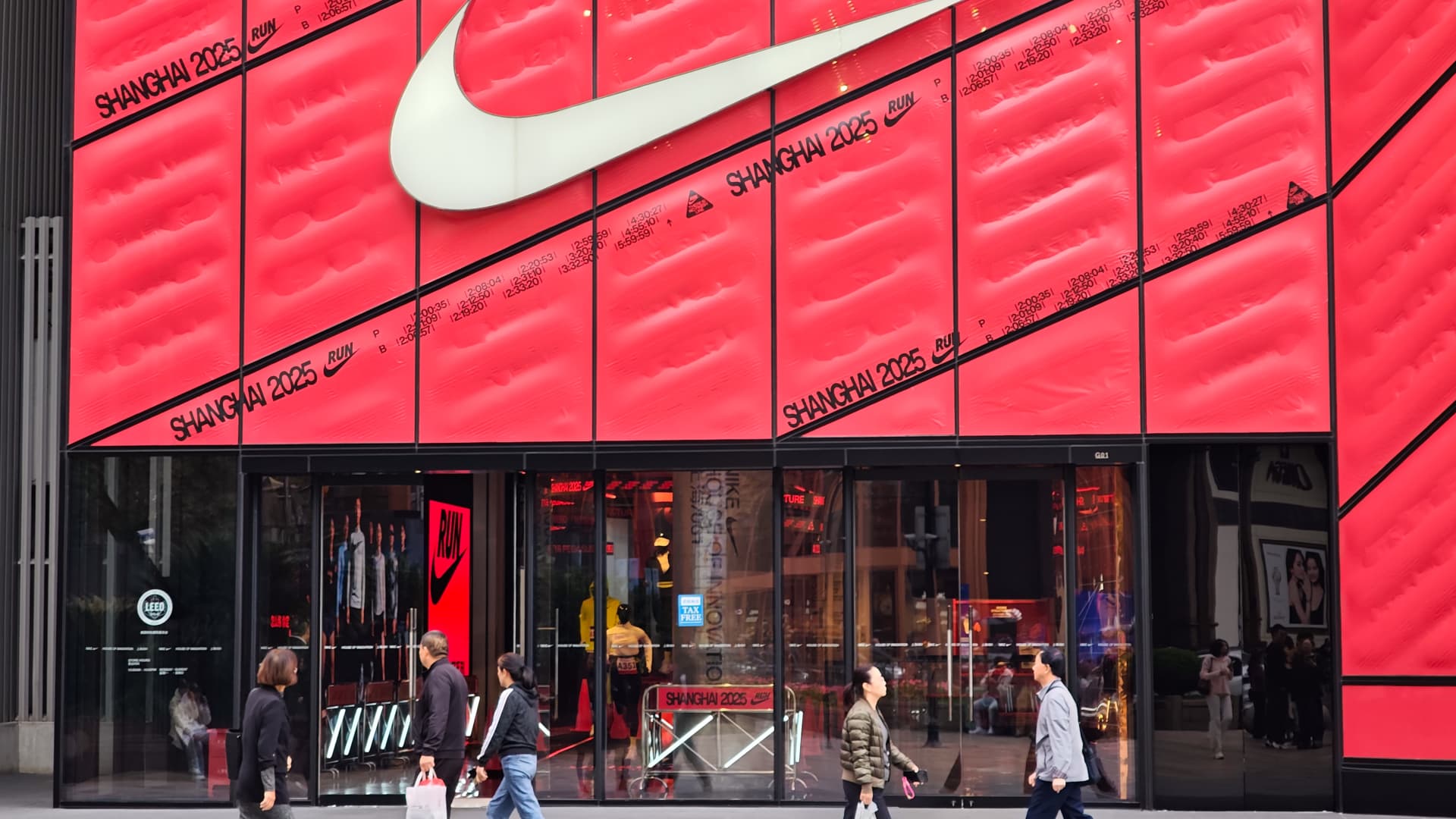
Nike plans to remove thousands of online distributors in China from January, concentrating digital sales in a smaller group of official channels as it seeks greater control over pricing and brand presentation. The shift could weigh on revenue in a region that CNBC reported has already contracted by about 30% over the past five years, while Nike says the aim is a healthier marketplace and a more consistent consumer experience.
The company said Tuesday that its online presence in China will be centered on Nike’s own website and app, along with official storefronts on Tmall, JD.com and Douyin. Those platforms are among China’s largest e-commerce and social commerce venues, giving Nike access to established consumer traffic while allowing the company to define product display, promotions and messaging more directly.
Nike products are currently sold through those channels as well as a large network of digital storefronts operated by the company’s physical retail partners and secondary distributors. That structure has broadened availability, but Nike said it has also produced uneven pricing and branding across online outlets.
Cathy Sparks, Nike’s vice president and general manager for Greater China, said in a letter that the revamped official stores would become the main Nike destinations inside those platforms, with clearer product presentation and more connected shopping journeys. Sparks said the company was seeking to reduce fragmentation rather than restrict consumer access.
The operational change gives Nike more direct oversight of how products appear online and how prices are managed across marketplaces. In a multi-distributor model, independent sellers can create competing storefronts, run different promotions and present products with varying levels of brand control. A more centralized model can reduce those inconsistencies, though it may also remove sales volume generated by partner-run channels.
The move has drawn scrutiny because Nike previously reduced wholesale relationships in North America as part of a push toward direct sales. BNP Paribas equity analyst Laurent Vasilescu wrote in a note last month that the China strategy resembled that earlier decision, which he said opened shelf space for competitors and contributed to weaker sales and margins for Nike in the region.
Vasilescu said BNP Paribas maintained its underperform rating on Nike. He wrote that the company’s challenge in China appeared to be tied to product appeal rather than distribution, adding that he saw similar issues in other markets.
The restructuring is also expected to affect Nike’s brick-and-mortar partners in China, which have expanded online operations in recent years to build their own businesses. Topsports, Nike’s largest distributor in mainland China, said it supported the decision despite near-term pressure.
Yu Wu, chief executive of Topsports, said in a statement that the company’s 27-year relationship with Nike was based on mutual benefit and shared growth. Wu said the adjustment would create short-term strain for Topsports but could support a more orderly and sustainable retail system in China over the medium to long term.
Wu said Topsports would continue working with Nike through offline retail operations, local consumer service and stores across different city tiers. He said the distributor would use new sport store concepts and physical retail experiences to serve Chinese consumers.
This story draws on original reporting from CNBC.