Novo Nordisk sues Eli Lilly over GLP-1 drug advertising
Novo alleges Lilly used outdated dose comparisons in ads for Zepbound and Mounjaro, and is asking a federal court to halt the campaigns.
By Amanda Ross · Deals Correspondent
· 3 min read
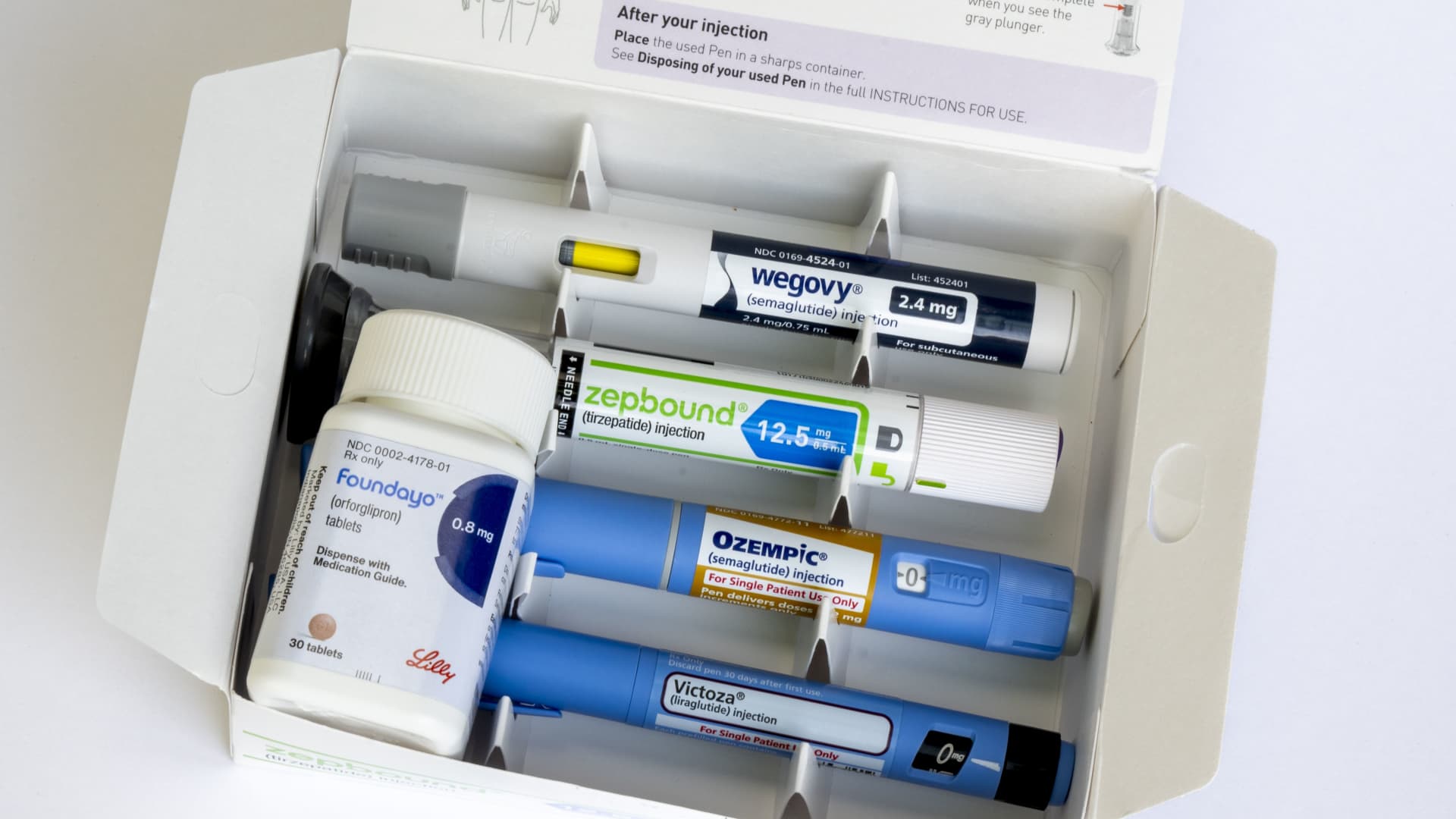
Novo Nordisk sued Eli Lilly on Tuesday, alleging that Lilly’s U.S. advertising for obesity and diabetes drugs misleads consumers by comparing Lilly’s highest available doses with lower doses of Novo medicines. The case escalates the commercial fight in GLP-1 treatments, a fast-growing market led by Lilly’s Zepbound and Mounjaro and Novo’s Wegovy and Ozempic.
The complaint, filed in the U.S. District Court for the District of New Jersey, seeks a permanent order stopping the challenged advertisements, corrective advertising and financial damages. Novo said the amount of damages has not been determined. The company also said it warned Lilly that it may seek a preliminary injunction in the coming days if the ads are not withdrawn voluntarily.
Lilly did not immediately respond to a request for comment.
Dispute centers on dose comparisons
Novo’s lawsuit argues that Lilly’s television and social media campaigns rely on older clinical studies that do not reflect newer, higher-dose versions of Novo’s products. Novo said the ads create the impression that Lilly’s drugs are more effective than Novo’s comparable treatments, while omitting or minimizing data on more recent Novo formulations.
John Kuckelman, Novo’s group general counsel, said in an interview Monday that Novo sent Lilly a cease-and-desist letter in April and that Lilly declined to remove or correct the ads at issue. He said the advertisements lead consumers to a conclusion about Lilly’s superiority that Novo considers inaccurate.
One advertisement cited in the lawsuit compares Zepbound with Wegovy and says patients taking Lilly’s drug lose 50 pounds on average, compared with 33 pounds for patients on Novo’s 2.4-milligram Wegovy dose. Novo said that comparison comes from an earlier head-to-head trial involving the highest doses of Zepbound and the 1.7-milligram and 2.4-milligram doses of Wegovy.
Novo argues that the advertisement does not adequately account for Wegovy’s newer 7.2-milligram version, which was approved in March. According to Novo’s lawsuit, a more recent study showed patients on that higher dose lost 47 pounds on average, a result the company described as clinically consistent with Zepbound’s weight-loss results in Lilly’s latest rigorous trial.
Novo said Lilly mentions the higher-dose Wegovy in a small footnote, but called that disclosure ambiguous, confusing, difficult to read and insufficient. The lawsuit also says no head-to-head trial has compared the highest currently marketed doses of Wegovy and Zepbound, which Novo argues leaves Lilly without a basis for broad superiority claims.
False advertising claims
Novo brought federal and state unfair competition and false advertising claims, including under the Lanham Act. That statute allows companies to challenge allegedly deceptive commercial claims by competitors, including in pharmaceutical advertising.
The lawsuit says the alleged omissions are particularly harmful because patients may rely on advertising to understand GLP-1 options, while health-care professionals have broader access to clinical data. Novo said the Zepbound television commercial has generated more than 700 million impressions since it started airing around the end of April.
The complaint also alleges that Lilly uses a similar approach in advertisements comparing Mounjaro with Ozempic, by excluding newer data on a higher dose of Novo’s diabetes drug that was approved more than four years ago.
The legal action comes as Novo works to strengthen its position against Lilly through a new obesity pill, price reductions and the higher-dose Wegovy launch. Novo said high-dose Wegovy produced average weight loss of about 19%, bringing its results closer to those reported for Lilly’s obesity medicines.
This story draws on original reporting from CNBC.


