Nvidia OpenAI backstop talks draw scrutiny after WSJ report
WSJ said Nvidia may support OpenAI’s Ohio data center lease, raising questions over AI financing as the chipmaker’s shares fell.
By Marcus V. Thorne · Markets Editor
· 3 min read
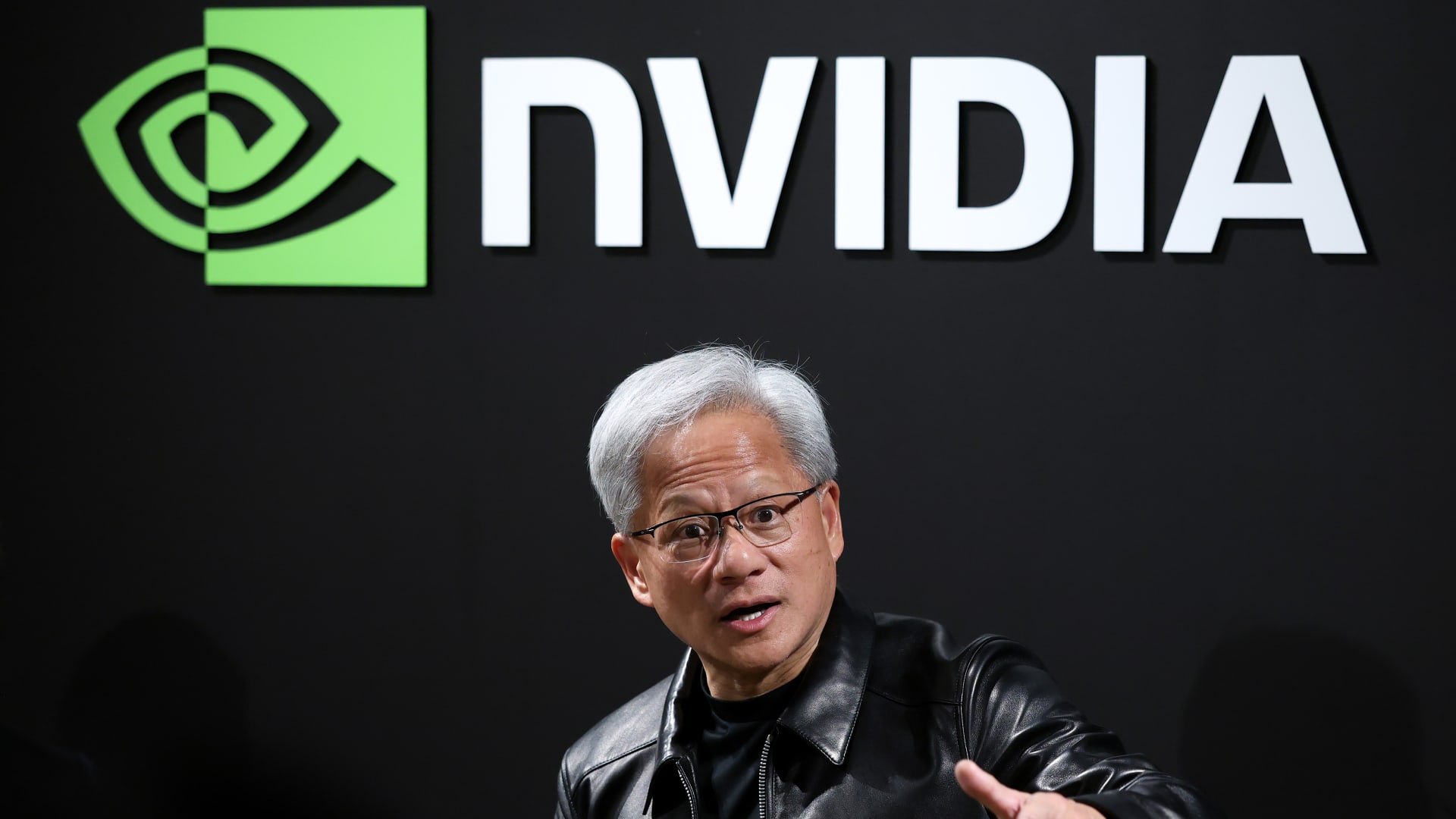
Nvidia OpenAI backstop discussions reported by The Wall Street Journal have put renewed attention on how the artificial intelligence buildout is being financed. The Journal said Nvidia is in talks to provide roughly $250 billion of support tied to OpenAI’s planned lease of a 10-gigawatt data center project in southern Ohio, while Nvidia shares fell more than 4% on Monday amid broader weakness in semiconductor and AI infrastructure stocks.
The proposed site is being developed by SB Energy, a subsidiary of SoftBank, according to the Journal. The report said Nvidia’s backing could help the developer raise debt on better terms because Nvidia has a stronger financial profile than OpenAI, which CNBC described as unprofitable.
The potential support would relate to the lease and debt financing for the Ohio facility, rather than the AI server racks that would be installed inside it, according to CNBC’s account of the Journal report. The Journal also reported that Nvidia has discussed financing OpenAI’s chip purchases, a separate issue that would go beyond the roughly $250 billion figure.
What is Nvidia's OpenAI backstop?
A backstop is a form of financial support that can reassure lenders or project counterparties that obligations will be met if the primary borrower or tenant cannot meet them on its own. In this case, the Journal reported that Nvidia’s possible backing would help OpenAI secure access to a large data center project by strengthening the financing package around the lease.
The report has sharpened investor focus on the circular nature of some AI deals. CNBC noted that Nvidia has invested in companies that are also buyers or renters of its chips, including a $30 billion investment in OpenAI earlier this year, an investment in Anthropic last year and backing for several so-called neocloud providers that rent Nvidia chips to customers.
Nvidia has said its investments are intended to support development of the AI ecosystem and may generate attractive returns, according to CNBC. The concern among some investors, as described by CNBC, is that closer financial ties among major AI companies could increase the risk of knock-on effects if one party has trouble meeting its obligations.
The positive interpretation is that OpenAI’s search for more computing capacity shows continued demand for AI infrastructure. CNBC said OpenAI believes it needs more compute to serve customers, and that the scale of its plans may signal continued spending by large cloud and internet groups including Meta, Alphabet, Amazon and Microsoft.
That spending has become a more difficult market issue. CNBC said Alphabet shares fell after its second-quarter results as investors focused on higher capital expenditure plans for 2026 and management’s indication of another large step-up next year. Meta, Microsoft and Amazon are due to report this week, according to CNBC.
The reaction also comes after technology and semiconductor shares helped drive market gains earlier in 2026 and in recent years. CNBC said investors are increasingly asking whether AI capital expenditure is translating into earnings, rather than accepting demand for computing capacity as sufficient support for valuations.
For Nvidia, the Journal report places the chipmaker’s balance sheet at the centre of a broader question for the AI sector: whether suppliers, developers and cloud customers are becoming more financially intertwined as the cost of data center expansion rises. The talks remain reported discussions, and neither a completed backstop nor final financing terms were described in the Journal report cited by CNBC.
This story draws on original reporting from CNBC.


