Oil climbs as U.S. renews strikes and blockade near Hormuz
WTI rose above $80 and Brent neared $86 after U.S. forces hit Iranian military targets and resumed a blockade of Iranian ports.
By Sarah Jenkins · Chief Macro Economics Correspondent
· 3 min read
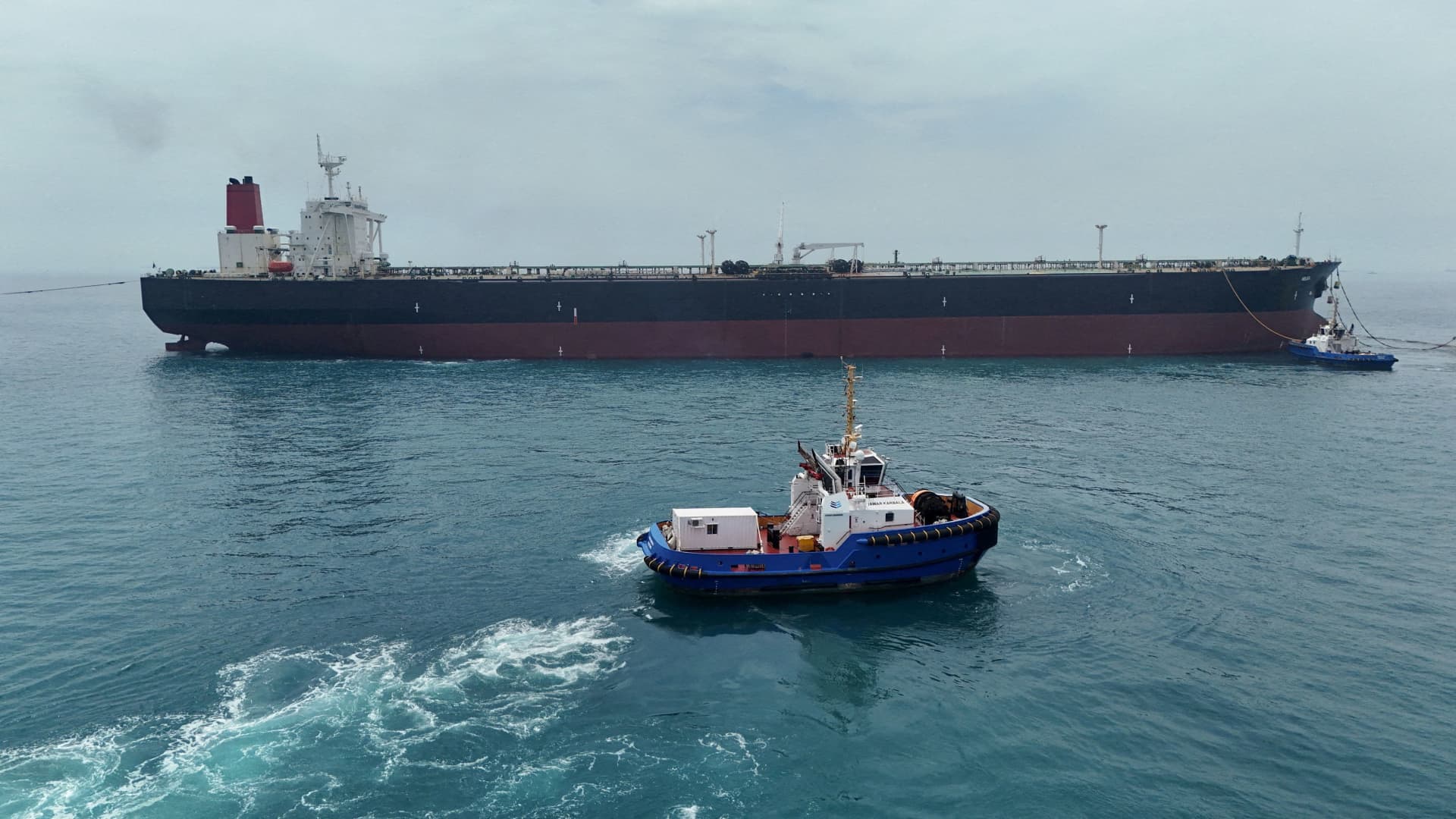
Oil prices advanced in volatile Wednesday trading after U.S. forces launched another round of attacks on Iranian military targets and Washington restored a naval blockade affecting vessels moving to and from Iranian ports near the Strait of Hormuz. CNBC reported that U.S. West Texas Intermediate crude futures for August delivery rose 1.01% to $80.14 a barrel, while September Brent futures gained 1.23% to $85.77.
The latest move keeps energy markets focused on military activity around one of the world’s most sensitive shipping corridors. A naval blockade restricts maritime traffic by using military forces to stop or control vessels entering or leaving designated ports, raising operational and insurance risks for cargoes linked to the affected area.
U.S. Central Command said late Tuesday in the United States that American forces had carried out a seven-hour operation against dozens of Iranian military assets near the Strait of Hormuz and along Iran’s coastline. Centcom said the strikes involved fighter aircraft, drones and naval vessels.
The U.S. military command said the targets included missile and drone facilities, naval assets and coastal defense systems. Centcom said the purpose was to reduce Iran’s capacity to threaten commercial shipping.
The operation followed the resumption earlier Tuesday of a U.S. naval blockade on ships traveling to and from Iranian ports, according to CNBC. The blockade adds a direct maritime control measure to the air and naval strikes that have already increased uncertainty for shipowners, oil buyers and energy traders.
Centcom Commander Brad Cooper said in a subsequent social media statement that Iran had “intentionally” targeted civilians and had attacked seven commercial vessels during the previous week. Cooper said those incidents left about a dozen crew members dead, missing or injured.
Oil’s move was relatively contained compared with the scale of the military developments, but the price gains reflected renewed concern that hostilities could delay any easing of tensions around Hormuz. The market reaction came after expectations had built that traffic through the area might normalize more quickly.
Saul Kavonic, senior energy analyst at MST Marquee, told CNBC that hopes for a fast reopening of the strait had come too soon. He said the renewed blockade and hostilities placed the conflict “back on an escalatory trajectory.”
Kavonic told CNBC that oil could move back toward $100 a barrel if the current pace of fighting lasts for several weeks. He added that prices could rise further if regional oil infrastructure becomes a target. His comments were presented as a market assessment, not a confirmed outcome.
The price response leaves crude traders weighing two linked risks: the direct interruption of shipping tied to Iranian ports and the broader possibility that military activity near Hormuz could affect commercial vessels beyond Iran. Centcom has framed its strikes as an effort to protect commercial shipping, while Tehran’s position was not included in the reported U.S. military statements.
This story draws on original reporting from CNBC.


