Oil rises after reported Iranian strike near Strait of Hormuz
Brent and WTI gained about 1.5% after Axios reported missiles hit ships in a waterway central to global crude flows.
By Sarah Jenkins · Chief Macro Economics Correspondent
· 3 min read
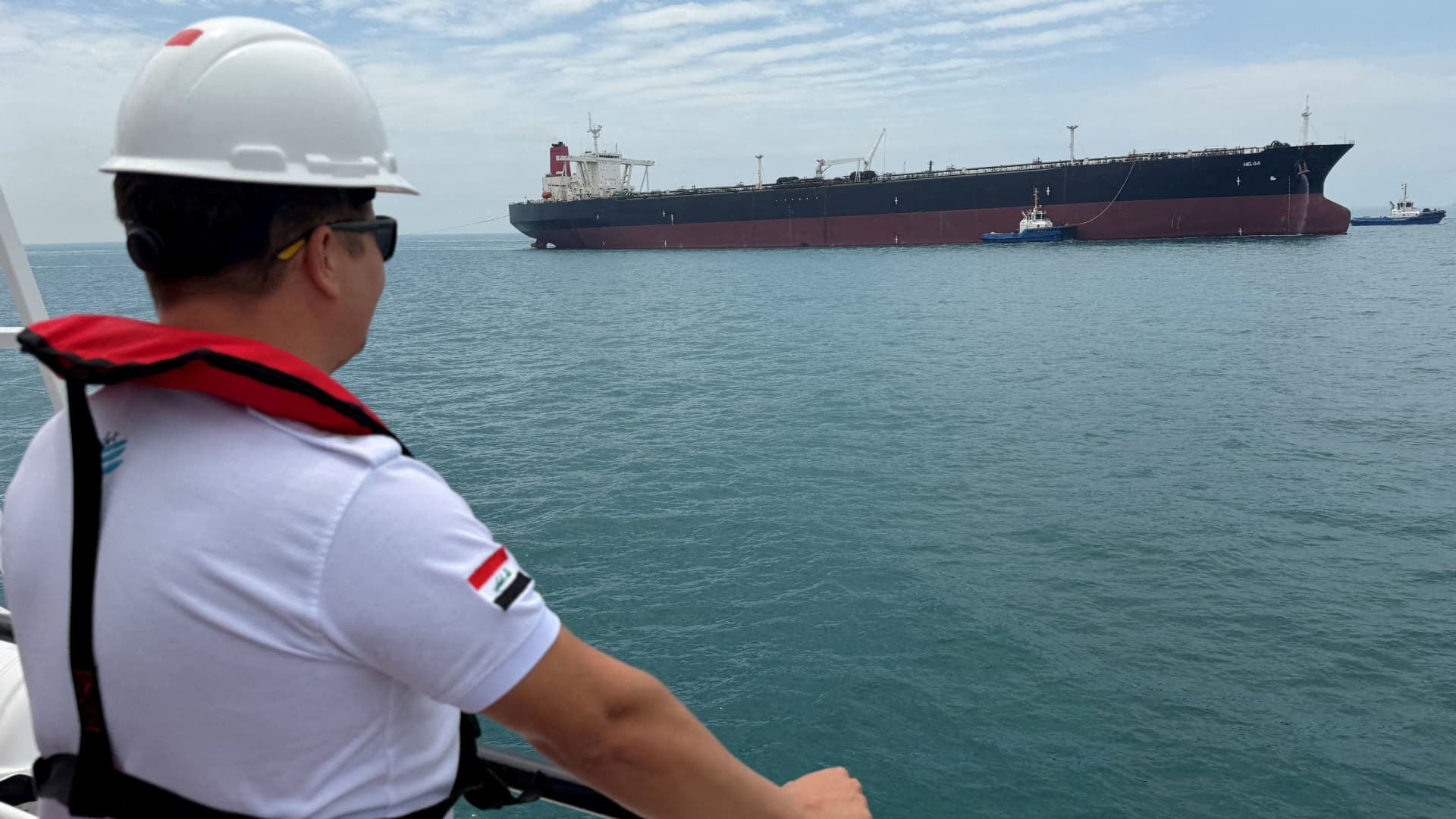
Oil prices moved higher Tuesday after Axios reported that Iran fired missiles at commercial vessels in the Strait of Hormuz, a key passage for crude shipments. Brent futures for September delivery rose 1.5% to $73.09 a barrel, while U.S. West Texas Intermediate for August delivery gained 1.5% to $69.56, according to CNBC market data.
The move followed a previous session in which WTI settled at its lowest level since Feb. 27, CNBC reported. The Strait of Hormuz typically carries around 20% of global oil traffic, according to CNBC, making security incidents there relevant for refiners, shippers, insurers and governments monitoring energy supply risk.
Axios reported that Iran launched at least two missiles on Monday evening at ships passing through the strait, citing two unnamed U.S. officials. The vessels sustained significant damage, but no casualties were reported, Axios said, citing one U.S. official. CNBC said it could not independently verify the Axios report.
The United Kingdom Maritime Trade Operations Centre, a British maritime security alert service, said Monday it had received a report of an incident 8 nautical miles east of Limah, Oman. UKMTO said a tanker travelling southbound had been hit by an unknown projectile, causing a fire. The agency said no casualties were reported.
The reported incident comes as the United States and Iran try to turn a temporary arrangement into a more durable settlement. CNBC reported that Washington and Tehran signed a memorandum of understanding last month intended to end their nearly four-month war, but indirect talks last week ended without signs of meaningful progress toward a lasting peace agreement.
U.S. President Donald Trump said Monday that the two countries would either reach a deal or the United States would “finish the job,” CNBC reported, describing the remarks as a renewed threat of military action against Iran.
For oil markets, the Strait of Hormuz functions as a chokepoint: a narrow maritime route through which large volumes of crude and refined products move from Gulf producers to global buyers. When vessels are attacked or transit becomes uncertain, traders often reprice contracts to reflect the possibility of shipping delays, higher insurance costs or supply disruptions. Tuesday’s rise in Brent and WTI reflected that risk premium after the reported strike.
Holger Schmieding, chief economist at Berenberg, said in a research note published Friday that the situation around the strait remained unsettled. “But as we have argued since March, both sides should ultimately have an interest in containing the conflict,” Schmieding wrote.
Berenberg added that Trump wants lower oil prices ahead of the Nov. 3 midterm elections to Congress, while Iran’s Revolutionary Guards seek revenue that could come from sanctions relief. Those incentives, according to the bank, may shape how both sides handle the dispute even as maritime security risks remain visible.
This story draws on original reporting from CNBC.