Oil rises as renewed U.S.-Iran strikes squeeze Hormuz traffic
U.S. strikes on Iran have run for 10 nights, while Kpler says weekend traffic through Hormuz fell to 30 ships and Brent crude moved above $90.
By Amanda Ross · Deals Correspondent
· 4 min read
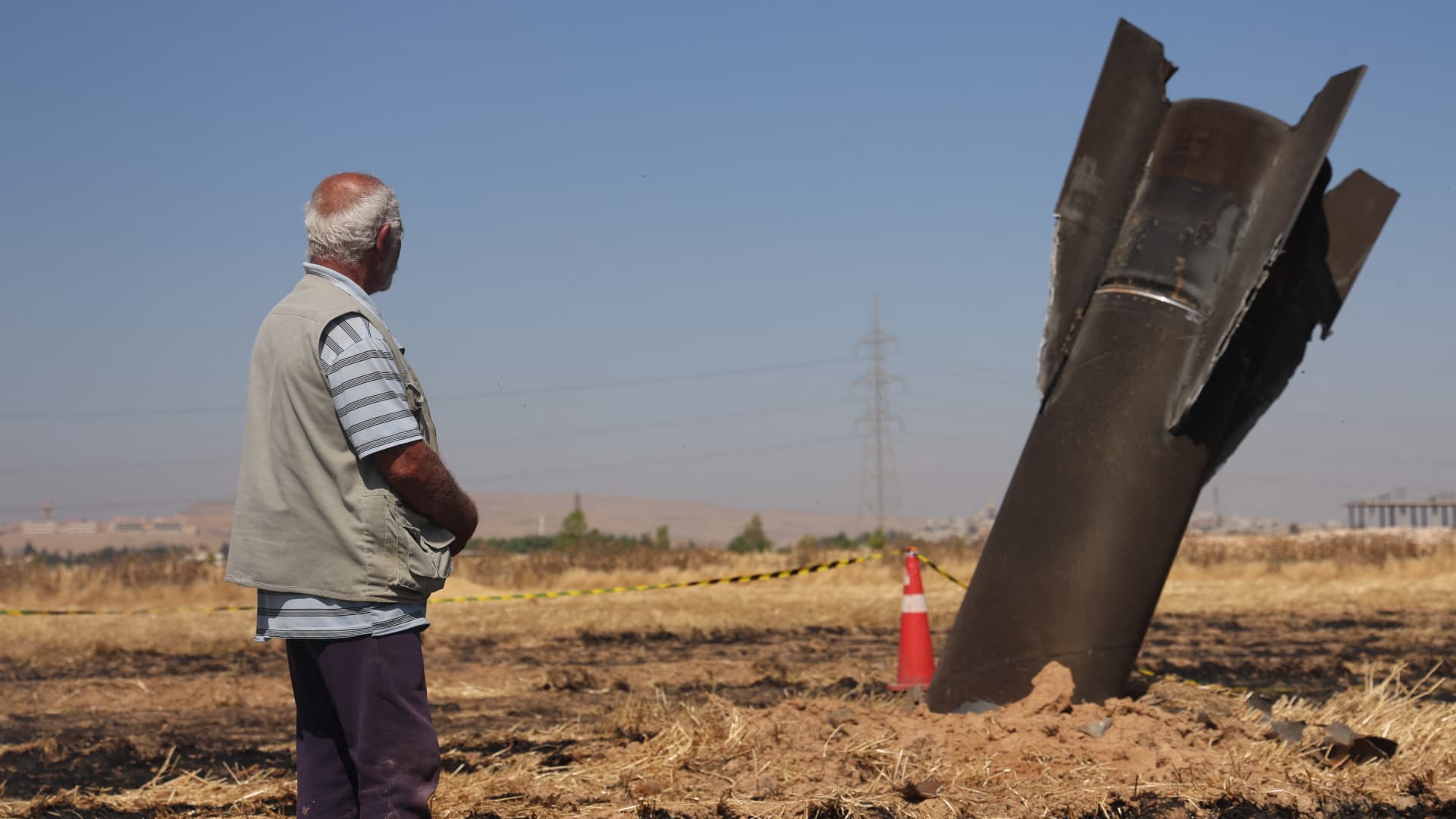
U.S. Central Command has carried out 10 consecutive nights of attacks on Iran after President Donald Trump declared a ceasefire with Tehran “over,” renewing military risk around one of the world’s main energy corridors. Kpler said only 30 ships passed through the Strait of Hormuz over the weekend, compared with more than 100 a day before the U.S. and Israel attacked Iran on Feb. 28, while Brent crude rose above $90 a barrel on July 20.
Central Command has said the strikes are intended to degrade Iranian capabilities used against commercial shipping in the Strait of Hormuz. The renewed hostilities have put energy markets on alert because Hormuz is a narrow maritime passage linking Gulf producers to global buyers.
Shipping slows through Hormuz
Lloyd’s List Intelligence analysts said vessels have been crossing the strait with transponders switched off, a practice that makes ships harder to track publicly. Such moves can reduce visibility for insurers, charterers and commodity traders, even when the waterway remains physically passable.
The Trump administration has said the strait remains open and that millions of barrels of oil are moving each day under U.S. military protection. That assertion sits alongside shipping data showing a sharp reduction in visible vessel movements, underscoring the difference between a formal closure and a market response to perceived risk.
Energy prices react
Brent, the international oil benchmark, topped $90 a barrel on July 20 for the first time in more than a month, according to CNBC market data. U.S. crude futures also reached their highest level in a month on the same day.
The U.S. Energy Information Administration says about 20.3 million barrels of crude oil and petroleum products move through Hormuz each day, equal to roughly a quarter of global seaborne oil trade. The EIA says nearly 90% of those flows go to Asian markets, with China and India the main destinations.
Amrita Sen, founder and director of market intelligence at Energy Aspects, told CNBC’s “Access Middle East” that depleted inventory buffers leave markets more exposed if disruption continues into August. She said sustained interference could force Gulf producers to cut output and push crude back into triple-digit prices.
Iran retains regional reach
Iran has continued to show an ability to strike regional targets despite the U.S. campaign. Israeli media said a vessel operated by Greek shipping company Dynacom caught fire after being hit by an unknown projectile in the Strait of Hormuz.
Tehran also remains able to launch missiles and drones, according to CNBC, which reported that recent Iranian attacks on countries hosting U.S. bases killed an additional three American service members. Trump said Tehran “will pay” for the deaths “many times over,” and added that the strait was open to all except Iran.
Mediators seek pause as wider risks build
Axios, citing people familiar with the matter, reported that Qatar and Pakistan have presented Washington and Tehran with a proposal for a 10-day ceasefire. Axios also reported that the U.S. is preparing for the possibility that talks fail, while Israel is preparing for a possible expansion into a full-scale coordinated campaign within days.
Clemens Chay, a senior fellow for geopolitics at the Observer Research Foundation, told CNBC last week that Washington faces “no good options.” He said the U.S. must either absorb an Iranian war of attrition, escalate despite regional opposition, or offer concessions.
Chay said Iran retained leverage over Hormuz “like a switch that it can flip on and off,” and warned that simultaneous disruption in Hormuz and the Bab el-Mandeb Strait would be catastrophic for the global economy.
Red Sea route comes under pressure
Houthi militants declared a maritime embargo against Saudi Arabia on Monday night, threatening another route used by energy exporters. The group has repeatedly threatened to close the Bab el-Mandeb Strait, a passage for commercial vessels and Saudi oil exports.
CNBC reported that Saudi Arabia has diverted millions of barrels a day through a pipeline to a Red Sea export terminal during the conflict. If Bab el-Mandeb were closed, those barrels could be blocked from reaching international markets, increasing pressure from the reduced traffic and tanker attacks around Hormuz.
This story draws on original reporting from CNBC.


